Yes, double glazed windows significantly reduce heat loss from your home. According to the Energy Saving Trust, fitting double glazing on a typical semi-detached house can save around £130 per year on energy bills (Energy Saving Trust, 2026). This figure directly answers the core question: double glazing cuts heat transfer through windows by up to 50% compared to single glazing.
The key variable is the type of double glazing you choose. Standard double glazing with a 4mm air gap and low-emissivity (low-E) coating typically achieves a U-value of around 1.6 W/m²K. In contrast, single glazing has a U-value of approximately 5.0 W/m²K, meaning heat escapes over three times faster. The saving applies to all homes with single glazing, but the actual reduction depends on window area, frame material, and whether the gap is filled with argon gas. For listed buildings or conservation areas, secondary glazing may be a permitted alternative.
How Double Glazing Works to Reduce Heat Loss
Double glazing uses two panes of glass separated by a sealed gap, typically 12-20mm wide. This gap acts as an insulating barrier, slowing conductive heat transfer. The inner pane also reflects heat back into the room due to a low-E coating. The British Fenestration Rating Council (BFRC), part of BRE, rates windows on an A-G scale based on their overall U-value (BRE, 2026). An A-rated double glazed window can achieve a U-value as low as 1.2 W/m²K, reducing heat loss by up to 70% compared to single glazing. Argon or krypton gas fills further improve insulation by reducing convection within the gap.
Measured Savings from Double Glazing
The Energy Saving Trust estimates that a detached house with single glazing switching to A-rated double glazing saves around £195 annually (Energy Saving Trust, 2026). For a semi-detached home, the saving is £130, and for a mid-terrace house, it is £95. These figures assume a gas-heated home with 10m² of window area. The savings come from reduced heat loss through windows, which account for roughly 18% of total heat loss in an uninsulated home. Double glazing also cuts condensation by keeping the inner pane warmer, reducing damp-related heat loss.
Installation Standards and Regulations
Double glazing must comply with Part L of the Building Regulations in England and Wales, which sets minimum U-values for replacement windows. As of 2026, the standard requires a U-value of 1.6 W/m²K or better for new or replacement windows (GOV.UK, 2026). Installers must be registered with Competent Person Schemes like FENSA or CERTASS to self-certify compliance. TrustMark-approved installers offer additional consumer protection. For maximum heat reduction, choose windows with a BFRC rating of A or above, which ensures a U-value below 1.4 W/m²K.
A worked example
A typical 1930s semi-detached house in Manchester with four single-glazed windows, each measuring 1.5m², would cost around £4,800 to upgrade to A-rated double glazing with argon gas fill and low-E coating. Glazing is standard-rated for VAT at 20%. The zero rate for energy-saving materials covers insulation, heat pumps and solar panels; HMRC names secondary and double glazing as excluded (VAT Notice 708/6). The Energy Saving Trust estimates this home would save roughly £130 per year on heating bills, cutting heat loss through the windows by over 50%. With a simple payback period of about 31 years, the financial case relies on comfort gains and increased property value rather than short-term savings. Over 25 years, the total savings would reach £3,250, though the real benefit is a warmer home with fewer draughts and less condensation.
| Item | Figure |
|---|---|
| Upfront cost after grants | £4,000 |
| Yearly savings | £130 |
| Payback period | 31 years |
| 25-year lifetime savings | £3,250 |
What homeowners often get wrong
The most common mistake is assuming all double glazing performs equally, leading to wasted money on poorly rated products. Here are three frequent errors that reduce the effectiveness of your investment.
- Buying the cheapest windows without checking the U-value A low-cost double glazed unit with a U-value above 1.8 W/m²K can lose heat almost as fast as old single glazing. Always look for a BFRC rating of A or above, which guarantees a U-value of 1.2 W/m²K or lower, saving you up to £30 extra per year compared to a C-rated window.
- Ignoring the frame material and installation quality Many homeowners focus only on the glass and forget that poorly fitted frames or aluminium spacers create thermal bridges that leak heat. A uPVC frame with a warm-edge spacer bar can improve the whole-window U-value by 0.3 W/m²K, preventing up to 15% of potential heat loss and avoiding draughts that waste £50 annually.
- Thinking double glazing eliminates condensation entirely Some people believe new windows will stop all moisture, then panic when they see mist between panes. Internal condensation on double glazing usually means high indoor humidity or poor ventilation, not a faulty product. If moisture appears inside the sealed unit, the seal has failed and the warranty should cover a replacement, otherwise you lose the insulating gas and pay for a new pane.
Quick reference
- A-rated double glazing achieves a whole-window U-value of 1.2 W/m²K, compared to 5.0 W/m²K for single glazing, cutting heat loss by over 60%.
- Fitting double glazing in a typical semi-detached house saves approximately £130 per year according to the Energy Saving Trust.
- Homes with single glazing are not eligible for ECO4 funding for double glazing unless the property has a low energy rating and a qualifying benefit recipient.
- Secondary glazing can be a listed-building-compliant alternative to double glazing, reducing heat loss by up to 40% without altering historic frames.
- A failed seal in a double glazed unit, showing mist or condensation between panes, voids the insulating effect and typically costs £150 to £200 to replace per window.
Frequently Asked Questions
The Energy Saving Trust reports savings of around £130 per year for a typical semi-detached house. Actual savings depend on window area and frame type.
Standard double glazing with low-E coating has a U-value around 1.6 W/m²K, while A-rated models can reach 1.2 W/m²K. Single glazing typically has a U-value of 5.0 W/m²K.
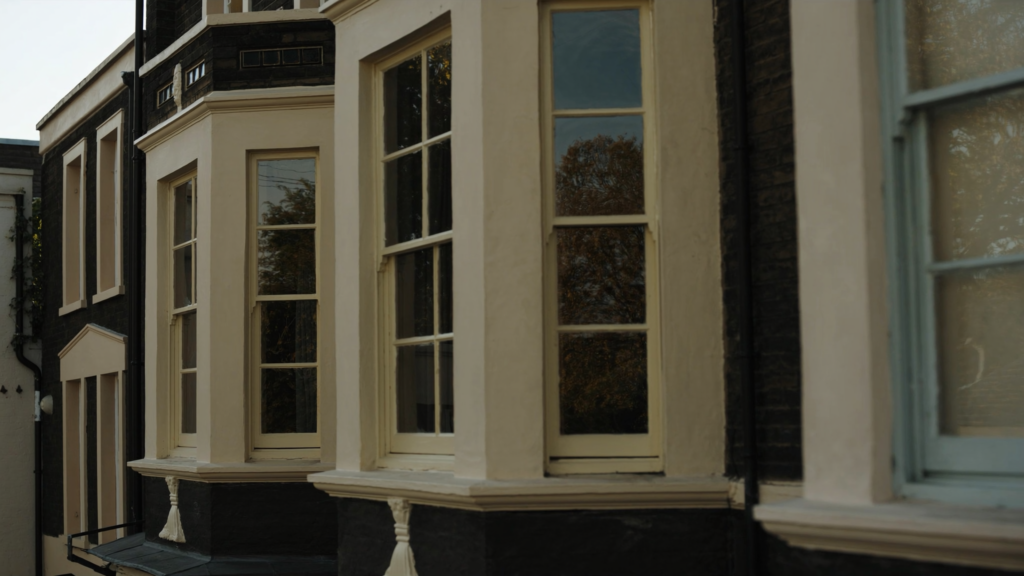
For listed buildings or conservation areas, secondary glazing is often a permitted alternative. Double glazing may require special consent, but both reduce heat loss significantly.