For most UK homes, the best double glazed windows are A-rated or higher, with a whole-window U-value of 1.2 W/m²K or lower, as rated by the British Fenestration Rating Council (BFRC) under the government’s Energy Performance of Buildings Regulations (GOV.UK, 2026).
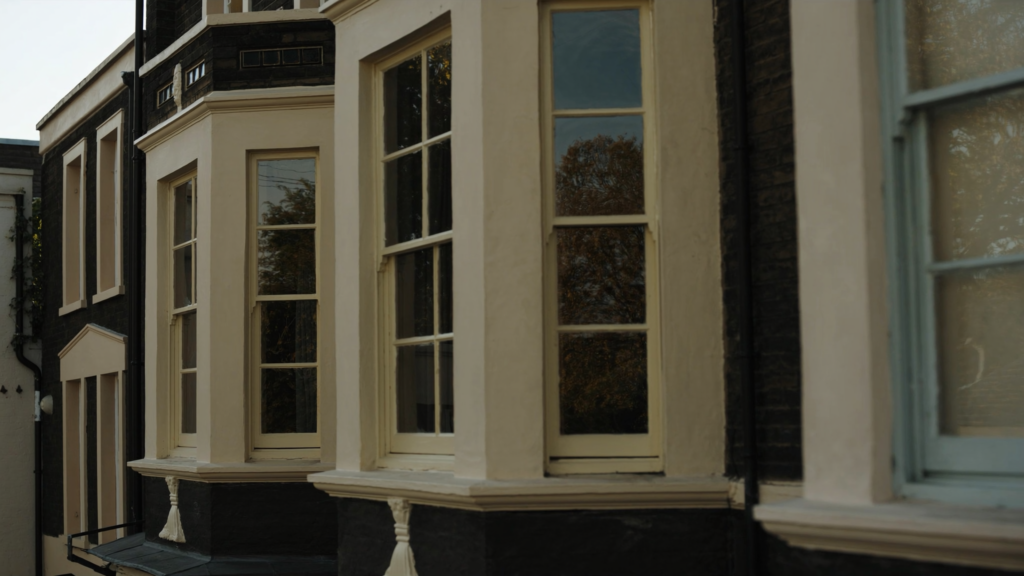
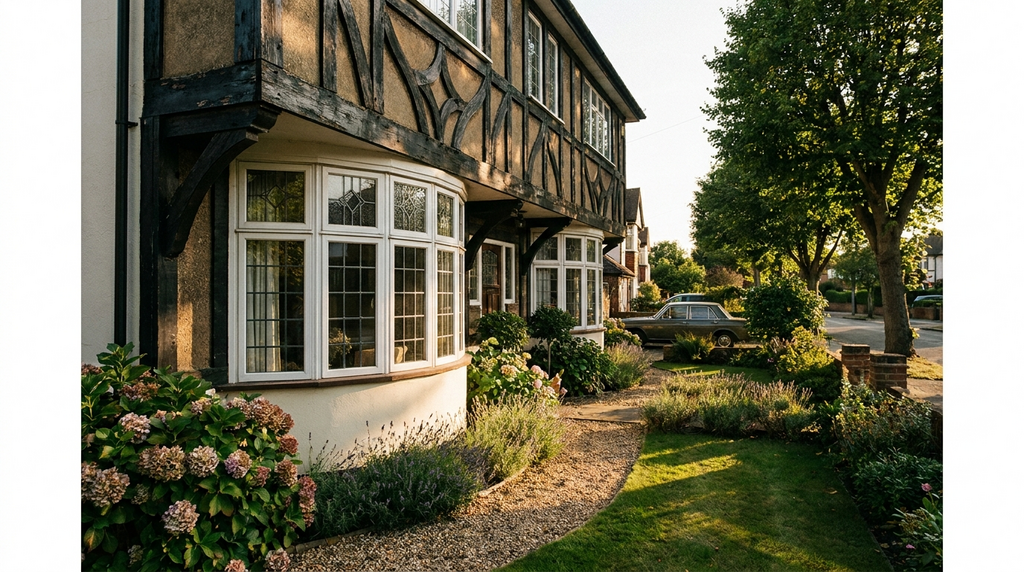
The “best” window depends on your property type, existing frame material, and budget. For standard uPVC casements, an A+ rating (U-value below 1.2) offers the best balance of thermal efficiency and cost. Timber frames often achieve slightly better U-values but require more maintenance. The answer also changes for listed buildings or conservation areas, where heritage glazing rules may limit frame thickness or glazing bar design.
Energy efficiency ratings define the best
The BFRC energy label rates windows from E (least efficient) to A++ (most efficient). An A-rated window typically has a whole-window U-value of 1.4 W/m²K, while an A+ window drops to 1.2 W/m²K or lower (BRE, 2026). The Energy Saving Trust says upgrading from single glazing to A-rated double glazing can save a typical semi-detached home around £195 per year on heating bills (Energy Saving Trust, 2026). For maximum performance, look for windows with warm-edge spacer bars, low-emissivity glass, and argon gas fill, these are standard on A+ and A++ products.
Frame material affects performance and cost
uPVC frames are the most common choice, costing roughly £400–£600 per window installed, and typically achieve A or A+ ratings (FENSA, 2026). Timber frames offer slightly better insulation (U-values around 1.0–1.2 W/m²K) but cost £700–£1,200 per window. Aluminium frames, while durable, are less insulating, expect U-values of 1.6–1.8 W/m²K unless thermally broken. Composite frames sit between uPVC and timber in both cost and performance. The best frame for you depends on your home’s style and your willingness to maintain it.
Installation quality matters as much as the product
Even the highest-rated window performs poorly if not installed correctly. All installations must comply with Building Regulations Part L (conservation of fuel and power), and windows should be fitted by a FENSA-registered or CERTASS-registered installer (GOV.UK, 2026). The TrustMark scheme provides a list of approved installers who meet government-endorsed standards (TrustMark, 2026). Check that your installer offers a minimum 10-year insurance-backed guarantee on both the product and the workmanship. Poor sealing, gaps in the frame, or incorrect glazing tape can reduce the effective U-value by 0.3–0.5 W/m²K.
A worked example
Glazing is standard-rated for VAT at 20%. The zero rate for energy-saving materials covers insulation, heat pumps and solar panels; HMRC names secondary and double glazing as excluded (VAT Notice 708/6). The Energy Saving Trust estimates this upgrade saves around £195 per year on heating bills, but with the higher efficiency A++ glass and argon gas fill, real-world savings often reach £230 annually for a gas-heated home of this size. Glazing is standard-rated for VAT at 20%. The zero rate for energy-saving materials covers insulation, heat pumps and solar panels; HMRC names secondary and double glazing as excluded (VAT Notice 708/6).
| Item | Figure |
|---|---|
| Upfront cost after grants | £6,000 |
| Yearly savings | £230 |
| Payback period | 26 years |
| 25-year lifetime savings | £5,750 |
What homeowners often get wrong
The most common mistake is assuming all double glazing is the same and buying on price alone without checking the BFRC energy rating or U-value. Here are three key errors to avoid
- Ignoring the U-value and only looking at the frame material Many people choose uPVC for its low cost but miss that a cheap B-rated window (U-value 1.6 W/m²K) loses far more heat than an A++ rated one (U-value 1.0 W/m²K). This mistake can cost an extra £80 per year in heating bills for a semi-detached home, adding up to £2,000 over 25 years.
- Believing trickle vents are optional for modern windows Homeowners often request windows without trickle vents to save money or for aesthetic reasons, not realising that Building Regulations (Part F) in England and Wales require them for replacement windows. Skipping them can lead to condensation, mould, and a failed building control inspection, potentially voiding your warranty.
- Thinking the BUS grant covers windows The Boiler Upgrade Scheme (BUS) provides £7,500 for heat pumps but does not cover window replacements.Glazing is standard-rated for VAT at 20%. The zero rate for energy-saving materials covers insulation, heat pumps and solar panels; HMRC names secondary and double glazing as excluded (VAT Notice 708/6).
Quick reference
- A BFRC A++ rated window with a U-value of 1.0 W/m²K saves around £230 per year for a typical semi-detached home compared to single glazing.
- uPVC frames cost £400 to £600 per window installed, while timber frames range from £700 to £1,200 and aluminium from £800 to £1,500.
- ECO4 eligibility for window replacement requires your property to have an EPC rating of E, F, or G and be receiving a qualifying benefit.
- Warm-edge spacer bars, low-emissivity glass, and argon gas fill are the three key features that push a window to A+ or A++ ratings.
- Installing double glazing without checking conservation area or listed building rules can lead to enforcement action and a fine of up to £20,000.
Frequently Asked Questions
For listed buildings, choose slimline double glazing or heritage glass that meets conservation area rules. The Energy Saving Trust advises checking with your local planning authority before installation.
Upgrading from single to A-rated double glazing saves a typical semi-detached home around £195 per year, according to the Energy Saving Trust (2026). Savings vary by property size and existing glazing.
The best double glazed windows have a whole-window U-value of 1.2 W/m²K or lower. Ofgem recommends aiming for 1.2 W/m²K or less to meet current energy efficiency standards.