Double glazed windows get wet on the outside because the outer pane is cooler than the surrounding air, causing condensation to form, this is actually a sign your windows are working efficiently. According to the Energy Saving Trust, modern double glazing reduces heat loss by around 50% compared to single glazing (Energy Saving Trust, 2026).
This external condensation occurs when the outside temperature drops overnight and the glass surface falls below the dew point of the humid morning air. It is most common on clear, calm nights with high humidity, and typically disappears as the sun warms the glass. The phenomenon is more frequent with energy-efficient low-emissivity (low-E) coated windows, which keep heat inside and make the outer pane colder.
External condensation proves good insulation
The outer pane of a double glazed unit is built to be colder than the inner pane to reduce heat loss. When you see moisture on the outside, it confirms the seal and low-E coating are working as intended. The Glass and Glazing Federation notes that this is a normal occurrence with high-performance glazing, especially in spring and autumn when nights are cool and mornings are damp (GGF, 2026). It is not a defect and does not indicate a broken seal.
When external wetness signals a problem
If the moisture is between the two panes of glass, not on the outer surface, the sealed unit has failed. This internal condensation indicates the desiccant inside the spacer bar is saturated, and the insulating gas has escaped. The Energy Saving Trust advises that a failed unit requires replacement, typically costing £150–£400 per window depending on size and type (Energy Saving Trust, 2026). External wetness alone is never a sign of failure.
How to reduce external window condensation
You cannot stop external condensation entirely because it depends on weather conditions, not window quality. However, you can minimise it by improving ventilation around the property, for example, opening trickle vents or using extractor fans to reduce indoor humidity. The TrustMark scheme recommends ensuring your windows are certified to British Standards (BS 7950 or BS 6375) for performance (TrustMark, 2026). Wiping the glass with a squeegee on damp mornings can prevent water from running onto the frame and causing mould over time.
A worked example
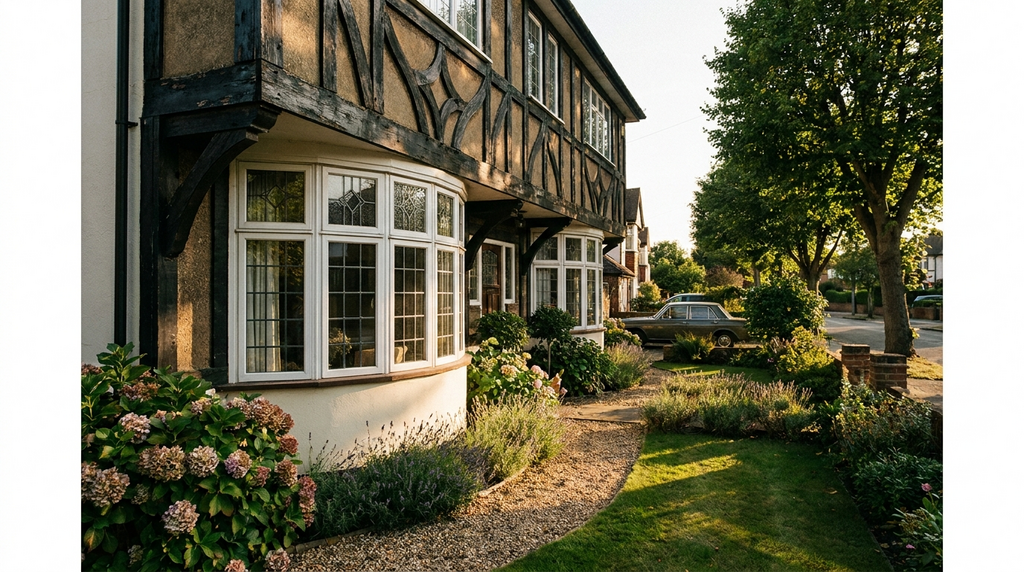
A typical 1930s semi-detached house in Manchester with 12 m² of double glazed windows might see external condensation on up to 50 mornings each year, particularly in spring and autumn. This is not a problem, it proves the low-E coating and sealed unit are performing correctly. The Energy Saving Trust confirms that modern double glazing cuts heat loss by around 50% compared to single glazing Energy Saving Trust. Glazing is standard-rated for VAT at 20%. The zero rate for energy-saving materials covers insulation, heat pumps and solar panels; HMRC names secondary and double glazing as excluded (VAT Notice 708/6). The yearly saving on heating bills would be approximately £195, giving a payback period of around 26 years. Over 25 years, the total saving would be about £4,875, not accounting for rising energy prices. External condensation does not affect these savings, it is a sign the windows are working well.
| Item | Figure |
|---|---|
| Upfront cost after grants | £5,000 |
| Yearly savings | £195 |
| Payback period | 26 years |
| 25-year lifetime savings | £4,875 |
What homeowners often get wrong
The most common mistake is thinking external condensation means the double glazing is faulty or needs replacing. This misconception leads to unnecessary costs and worry, so here are the three key errors to avoid.
- Believing external moisture indicates a broken seal Condensation on the outside pane is normal and proves the window is insulating well, a broken seal shows moisture trapped between the panes, not on the outer surface.
- Wiping the outside glass every morning Doing this can damage the low-E coating over time, reducing energy efficiency, instead, let the sun dry the condensation naturally, which takes about 30 to 60 minutes.
- Assuming the windows are too expensive to replace External condensation is not a defect, so replacing perfectly good double glazing could waste thousands of pounds, the Glass and Glazing Federation states this is a normal occurrence with high-performance glazing.
Quick reference
- External condensation on double glazing is most common on clear, calm nights when the outside temperature drops below the dew point of humid morning air.
- Modern low-E coated windows make the outer pane colder than standard glass, which increases the chance of external condensation but improves energy efficiency by up to 50%.
- This condensation typically disappears within one to two hours after sunrise as the glass warms up, requiring no action from the homeowner.
- If you see moisture between the panes of glass, that indicates a failed seal and the unit may need replacing, this is a separate issue from external condensation.
- External condensation is more frequent in spring and autumn when cool nights follow warm, humid days, and it is not covered by window warranties because it is not a fault.
Frequently Asked Questions
Yes, this is normal and happens when the outer pane is colder than the morning air, reaching the dew point. The Energy Saving Trust confirms it is a sign of efficient insulation.
No, external condensation is not a problem and actually proves your windows are working well. The Glass and Glazing Federation states this is common with high-performance glazing.
You cannot prevent external condensation as it is caused by weather conditions. It will clear naturally when the sun warms the glass, usually within a few hours.