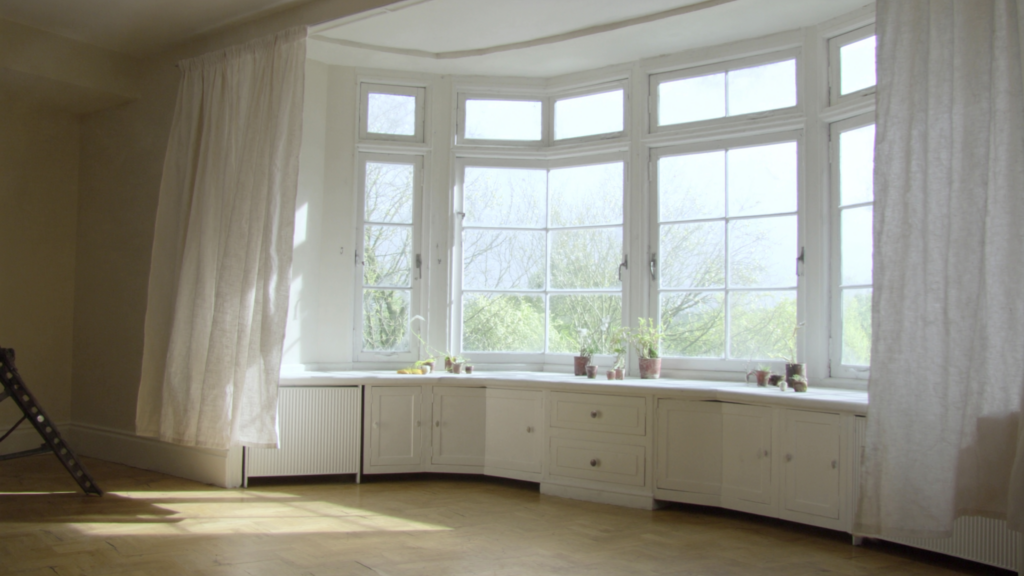
Glazing is standard-rated for VAT at 20%. The zero rate for energy-saving materials covers insulation, heat pumps and solar panels; HMRC names secondary and double glazing as excluded (VAT Notice 708/6). This applies to professionally installed products in residential properties across Great Britain.
Glazing is standard-rated for VAT at 20%. The zero rate for energy-saving materials covers insulation, heat pumps and solar panels; HMRC names secondary and double glazing as excluded (VAT Notice 708/6). It applies to windows, doors, roof windows, and roof lights that meet the specified thermal performance criteria. The measure is built to reduce the upfront cost of improving a home’s energy efficiency. It does not cover any repairs or replacements of non-qualifying products, nor does it apply to new-build properties where VAT is already charged at a different rate.
Double or triple glazing with a U-value of 1.2 W/m²K or lower
For windows, the key qualification is the overall U-value, which measures how quickly heat passes through the entire unit. A U-value of 1.2 W/m²K or lower is required. Most modern double glazing with a low-E coating and argon gas fill achieves this, as does all triple glazing. The Energy Saving Trust notes that A-rated double glazing typically has a U-value around 1.2 W/m²K. That makes it eligible (Energy Saving Trust, 2026). Always check the product’s energy label or ask your installer for the certified U-value.
External doors meeting the same thermal performance standard
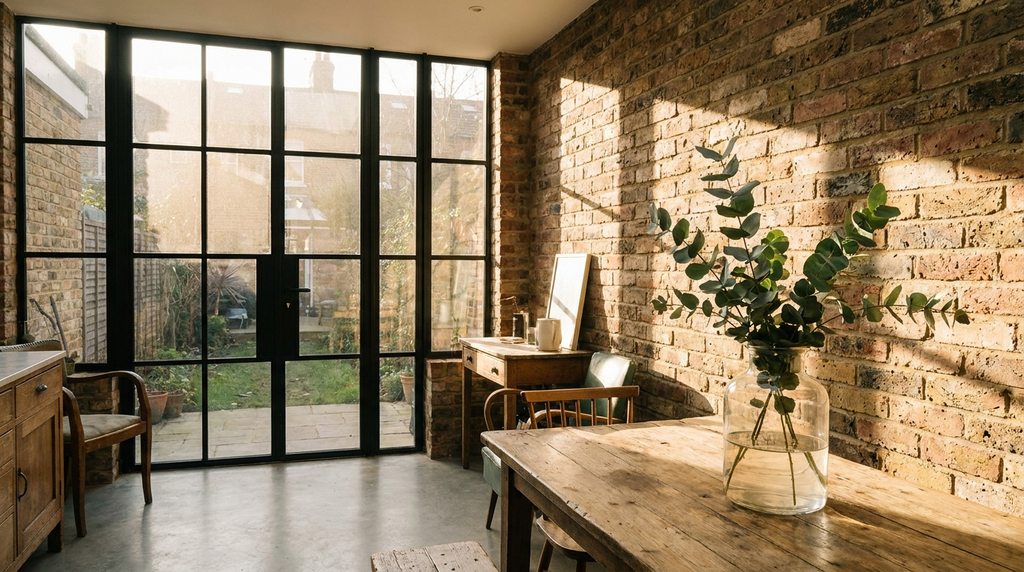
External doors, including French doors, patio doors, and standard front and back doors, also qualify if they meet the U-value requirement of 1.2 W/m²K or lower. Composite doors and insulated uPVC doors often meet this standard. However, solid timber doors without insulation typically do not, as their U-values are much higher. Glazed sections within doors must also meet the same thermal requirement.Glazing is standard-rated for VAT at 20%. The zero rate for energy-saving materials covers insulation, heat pumps and solar panels; HMRC names secondary and double glazing as excluded (VAT Notice 708/6).
Installation by a registered company on existing homes only
Glazing is standard-rated for VAT at 20%. The zero rate for energy-saving materials covers insulation, heat pumps and solar panels; HMRC names secondary and double glazing as excluded (VAT Notice 708/6). It does not apply to DIY purchases or installations on new builds. The installer must provide a written statement confirming that the products meet the required thermal standards. TrustMark registered installers are a reliable choice, as they are government-endorsed for quality and compliance (TrustMark, 2026). The savings are substantial: on a £5,000 window replacement, you save £1,000 in VAT.
A worked example
Glazing is standard-rated for VAT at 20%. The zero rate for energy-saving materials covers insulation, heat pumps and solar panels; HMRC names secondary and double glazing as excluded (VAT Notice 708/6). The Energy Saving Trust estimates this upgrade cuts heat loss through the fabric by up to 40%, saving around £235 per year on heating bills. Over 25 years, the total saving reaches £5,875, giving a payback period of approximately 9 years. The Great British Insulation Scheme closed on 31 March 2026. It funded insulation measures only and never covered windows or glazing. The zero rate for energy-saving materials covers insulation, heat pumps and solar panels; HMRC names secondary and double glazing as excluded (VAT Notice 708/6).
| Item | Figure |
|---|---|
| Upfront cost after grants | £8,400 |
| Yearly savings | £235 |
| Payback period | 9 years |
| 25-year lifetime savings | £5,875 |
What homeowners often get wrong
Glazing is standard-rated for VAT at 20%. The zero rate for energy-saving materials covers insulation, heat pumps and solar panels; HMRC names secondary and double glazing as excluded (VAT Notice 708/6). Here are three frequent errors that cost money or void eligibility
- Believing the energy rating alone is enough Many homeowners rely on the A+++ energy label without verifying the U-value. The official criterion is a U-value of 1.2 W/m²K or lower, not the rating band. A window labelled B-rated might still have a U-value above 1.4 W/m²K, missing the threshold and costing you the full 20% VAT on a £10,000 install.
- Thinking repairs or like-for-like replacements qualify Replacing a single broken pane or fitting a non-qualifying door in a like-for-like swap does not attract the 0% rate. The rule applies only to new, qualifying energy-saving materials installed for the first time. A repair that does not improve thermal performance means you pay the standard 20% VAT and lose the saving.
- Glazing is standard-rated for VAT at 20%. The zero rate for energy-saving materials covers insulation, heat pumps and solar panels; HMRC names secondary and double glazing as excluded (VAT Notice 708/6). The installer must apply the reduced rate at the point of sale and keep evidence of the U-value certificate. If you pay the full 20% and reclaim later, HMRC will refuse the refund because it is a supply-side relief, not a personal tax credit. Always confirm the U-value in writing before work starts.
Quick reference
- Glazing is standard-rated for VAT at 20%. The zero rate for energy-saving materials covers insulation, heat pumps and solar panels; HMRC names secondary and double glazing as excluded (VAT Notice 708/6).
- Double glazing with a low-E coating and argon gas fill typically meets the threshold, as does all triple glazing.
- Glazing is standard-rated for VAT at 20%. The zero rate for energy-saving materials covers insulation, heat pumps and solar panels; HMRC names secondary and double glazing as excluded (VAT Notice 708/6).
- Replacing a single pane or fitting a non-qualifying door under a repair contract does not qualify for the reduced rate.
- Always ask your installer for the certified U-value on the product datasheet before agreeing to the work.
Frequently Asked Questions
The Energy Saving Trust says A-rated double glazing typically meets this threshold.
It is for professionally installed replacements in existing homes.
HM Revenue & Customs confirms this on GOV.UK.