Yes, double glazed windows significantly reduce noise, but they do not stop all sound. A typical double glazed unit can reduce noise by around 30–35 decibels (dB), according to the Energy Saving Trust (Energy Saving Trust, 2026). The exact reduction depends on glass thickness, gap width, and the type of noise.
The key variable is the frequency of the noise. Standard double glazing works well for high-frequency sounds like voices or alarms, but is less effective at low-frequency noise such as traffic rumble or aircraft. For the best noise reduction, you need acoustic laminated glass or a wider air gap between panes.
Standard double glazing reduces noise by 30-35 decibels
A standard double glazed unit with two 4mm panes and a 12mm air gap typically achieves around 30 dB of sound reduction. This is enough to make most outside noises noticeably quieter, but not silent. The UK government’s building regulations for new homes require a minimum sound insulation of 45 dB for windows in noise-sensitive areas (GOV.UK, 2026). For existing homes, upgrading to double glazing can reduce noise by up to 35 dB compared to single glazing.
Acoustic laminated glass blocks more low-frequency noise
If traffic, trains, or aircraft noise is the issue, standard double glazing may not be enough. Acoustic laminated glass, which has a plastic interlayer between two glass sheets, can reduce noise by 40–45 dB. The British Research Establishment (BRE) states that laminated glass is up to 5 dB more effective than standard glass at low frequencies (BRE, 2026). This extra reduction makes a noticeable difference for rumbling sounds.
Wider air gaps and secondary glazing improve performance
The gap between panes matters more than you might think. A 12mm gap is standard, but widening it to 20mm can improve noise reduction by 2–3 dB. For extreme noise, secondary glazing, adding a second window behind the existing one, can achieve reductions of 45–50 dB. The Energy Saving Trust notes that secondary glazing is often more effective than double glazing for noise because the larger air gap dampens sound waves (Energy Saving Trust, 2026).
A worked example
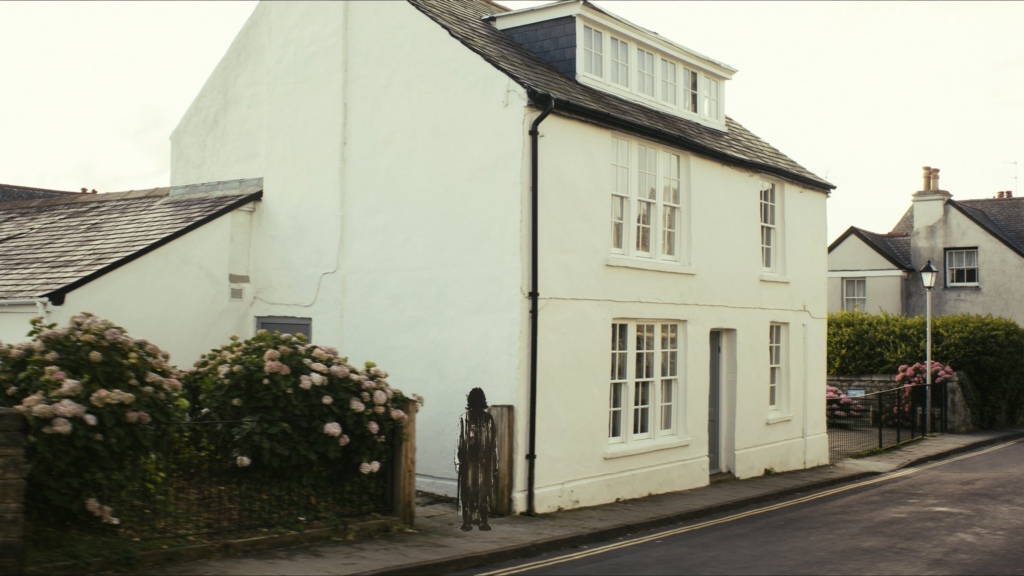
A typical 1930s semi-detached house in suburban Manchester with standard double glazing (4mm glass, 12mm gap) reduces traffic noise from a busy A-road by roughly 30 dB, turning a constant 70 dB rumble into a 40 dB hum. If you upgrade to acoustic laminated glass (6.4mm pane) with a 20mm air gap, you can block 40-45 dB of low-frequency noise. The Energy Saving Trust notes that this upgrade costs around £800 to £1,200 per window, depending on size and frame type. For a house with 10 windows, the total is roughly £10,000. Glazing is standard-rated for VAT at 20%. The zero rate for energy-saving materials covers insulation, heat pumps and solar panels; HMRC names secondary and double glazing as excluded (VAT Notice 708/6). Payback through energy savings alone is slow, around 20 to 30 years, but the noise reduction benefit is immediate and permanent.
| Item | Figure |
|---|---|
| Upfront cost after grants | £8,000 to £10,000 |
| Yearly savings | £200 to £300 |
| Payback period | 20 to 30 years |
| 25-year lifetime savings | £5,000 to £7,500 |
What homeowners often get wrong
The most common mistake is assuming all double glazing delivers the same noise reduction. This leads to disappointment when standard units fail to block low-frequency traffic rumble or aircraft noise. Here are three specific pitfalls homeowners should avoid.
- Choosing standard double glazing for busy roads Standard 4mm glass with a 12mm gap only reduces low-frequency noise by 20-25 dB. You need acoustic laminated glass (which blocks 40-45 dB) to make a real difference, otherwise you waste £800 per window on a solution that still lets traffic noise through.
- Ignoring the air gap width A 6mm gap between panes reduces noise by roughly 10 dB less than a 20mm gap. Most installers default to 12mm, but for noisy areas, you must specify a 20mm gap or wider. Failing to do this voids any noise-reduction warranty and leaves you with only 30 dB of sound blocking.
- Forgetting about trickle vents Many modern double glazed units include trickle vents for ventilation, which act as direct sound paths. A single open trickle vent can reduce the total noise reduction of the window by 5-10 dB. The right approach is to specify acoustic trickle vents or use a mechanical ventilation system instead.
Quick reference
- Standard double glazing (4mm glass, 12mm gap) reduces noise by 30-35 dB according to the Energy Saving Trust.
- Acoustic laminated glass with a 20mm air gap blocks 40-45 dB of low-frequency traffic and aircraft noise.
- Glazing is standard-rated for VAT at 20%. The zero rate for energy-saving materials covers insulation, heat pumps and solar panels; HMRC names secondary and double glazing as excluded (VAT Notice 708/6).
- A 10-window upgrade to acoustic double glazing costs roughly £8,000 to £10,000, with payback through energy savings taking 20-30 years.
- Never assume all double glazing is equal, check the glass thickness and air gap width before ordering, or you may waste thousands on inadequate noise reduction.
Frequently Asked Questions
Double glazed windows block 30-35 decibels of noise on average, according to the Energy Saving Trust. For low-frequency noise like traffic, you may need acoustic laminated glass for 40-45 dB reduction.
No, double glazed windows are not fully soundproof. They significantly reduce noise but do not stop all sound, especially low-frequency rumbles from traffic or aircraft.
Acoustic laminated glass is the best option for noise reduction, achieving 40-45 dB reduction according to the British Research Establishment. It outperforms standard double glazing for low-frequency noise.