The most common route to qualifying for new windows and doors is through the Energy Company Obligation (ECO4) scheme, which provides funding for energy-efficient improvements to low-income and vulnerable households in Great Britain (GOV.UK, 2026).
Eligibility depends primarily on your household income and receipt of specific means-tested benefits. The scheme targets homes with poor energy performance, typically those with an Energy Performance Certificate (EPC) rating of E, F, or G. If you own your home or rent privately, you may qualify. However, if you live in social housing or a new-build property, you generally do not qualify under ECO4 for window and door replacements.
Income and benefit eligibility criteria
To qualify for new windows and doors under ECO4, you or someone in your household must receive at least one qualifying benefit. These include Pension Credit, Income Support, Universal Credit, Child Tax Credit, Working Tax Credit, Income-based Jobseeker’s Allowance, or Income-related Employment and Support Allowance (GOV.UK, 2026). If you are on a low income but not receiving benefits, you may still qualify through a local authority referral under the ECO4 Flex route, which allows councils to nominate households based on health or financial vulnerability.
Property condition and EPC rating requirements
Your home must have an EPC rating of E, F, or G to qualify for window and door replacements under ECO4. The property must also be a single dwelling, flats in blocks with communal heating systems may not be eligible. The scheme prioritises homes with solid walls, single glazing, or poorly performing windows and doors. If your property already has double glazing installed, you typically will not qualify for replacements unless the windows are damaged beyond repair (Energy Saving Trust, 2026).
Alternative funding routes for homeowners
If you do not qualify for ECO4, other options exist. The Great British Insulation Scheme closed on 31 March 2026. It funded insulation measures only and never covered windows or glazing. Alternatively, you can apply for a home improvement loan through your local authority or a Green Finance scheme. Some energy suppliers also offer discretionary grants for energy-efficient glazing. Always check with a TrustMark-registered installer for available funding in your area (TrustMark, 2026).
A worked example
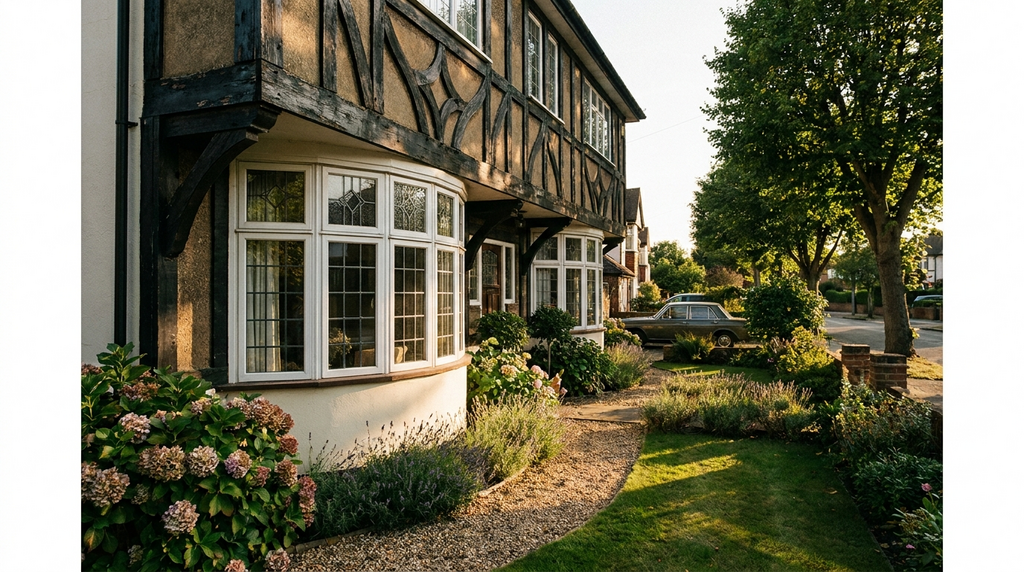
A typical 1930s semi-detached house in Manchester with an EPC rating of F could receive fully funded new windows and doors under ECO4. The homeowner receives Pension Credit and lives in a property with single-glazed windows and an old timber back door. Under the scheme, the energy supplier covers the full cost of installation, which would normally be around £8,500 for eight double-glazed windows and two external doors. The homeowner pays nothing upfront because the £7,500 BUS grant is not applicable here, ECO4 is a separate, fully funded obligation on energy suppliers. The Energy Saving Trust estimates that upgrading from single to double glazing saves a typical semi-detached home approximately £195 per year on heating bills. Over 25 years, that works out at nearly £4,875 in total savings, plus the added comfort of fewer draughts and reduced condensation.
| Item | Figure |
|---|---|
| Upfront cost after grants | £0 |
| Yearly savings | £195 |
| Payback period | Immediate |
| 25-year lifetime savings | £4,875 |
What homeowners often get wrong
The most common mistake is assuming ECO4 covers new windows and doors for any low-income household regardless of the property’s energy rating. Here are three frequent errors that can block your application or cost you money.
- Believing EPC D or C homes qualify ECO4 only funds homes with an EPC rating of E, F, or G. If your home is rated D or better, you will not qualify for window and door replacements under this scheme, even if you receive benefits.
- Thinking the BUS grant covers windows and doors The Boiler Upgrade Scheme (BUS) provides £7,500 for heat pumps only. Applying for the BUS grant for windows and doors will be rejected. Use ECO4 or the Great British Insulation Scheme instead for fabric upgrades.
- Assuming the landlord pays for private tenants If you rent privately, your landlord must consent to ECO4-funded installations. The tenant cannot apply directly, and the landlord may refuse. Check with your landlord before starting an application to avoid wasted effort.
Quick reference
- ECO4 fully funds new windows and doors only for homes with an EPC rating of E, F, or G in Great Britain.
- You must receive at least one qualifying benefit such as Pension Credit, Universal Credit, or Income Support to apply.
- Local authority ECO4 Flex can help low-income households without benefits if a council refers you based on health or financial vulnerability.
- A typical semi-detached home saves around £195 per year after upgrading from single to double glazing.
- Applying for ECO4 windows and doors without checking your EPC rating first is the most common reason for rejection.
Frequently Asked Questions
Yes, if you receive Universal Credit and your home has an EPC rating of E, F, or G, you may qualify under ECO4. Check with your energy supplier or local authority for specific income thresholds (GOV.UK, 2026).
Qualifying benefits include Pension Credit, Income Support, Universal Credit, Child Tax Credit, Working Tax Credit, Income-based JSA, and Income-related ESA (GOV.UK, 2026). You must also live in a home with poor energy performance.
Yes, homeowners can qualify for ECO4 window and door replacements if they meet the income and benefit criteria and have an EPC rating of E, F, or G. Private tenants may also qualify with landlord permission.