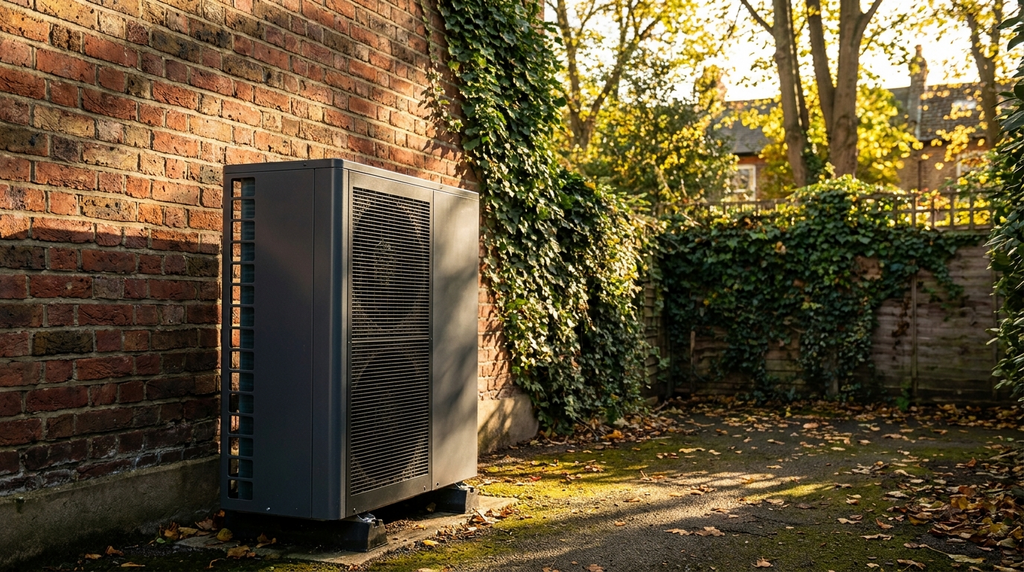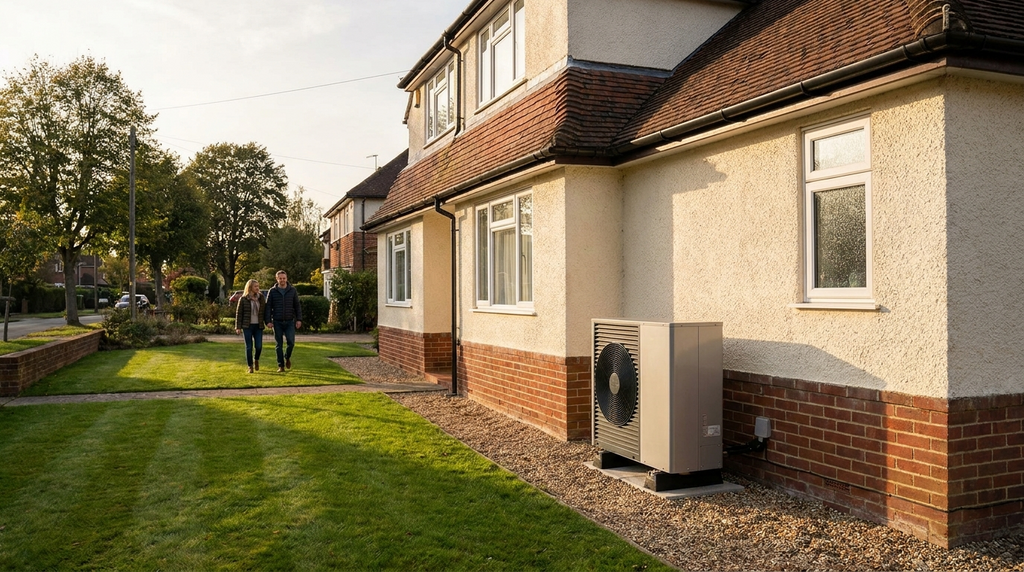
Heat pumps are installed in roughly 1 in 20 homes in the UK, with around 550,000 units in operation as of early 2026 (GOV.UK, 2026). This share is rising rapidly but remains low compared to gas boilers, which still heat about 80% of homes.
- 1 in 20 UK homes has a heat pump as of 2026.
- Heat pump installations grew 43% to 200,000 in 2025.
- 1 in 3 new builds now has a heat pump standard.
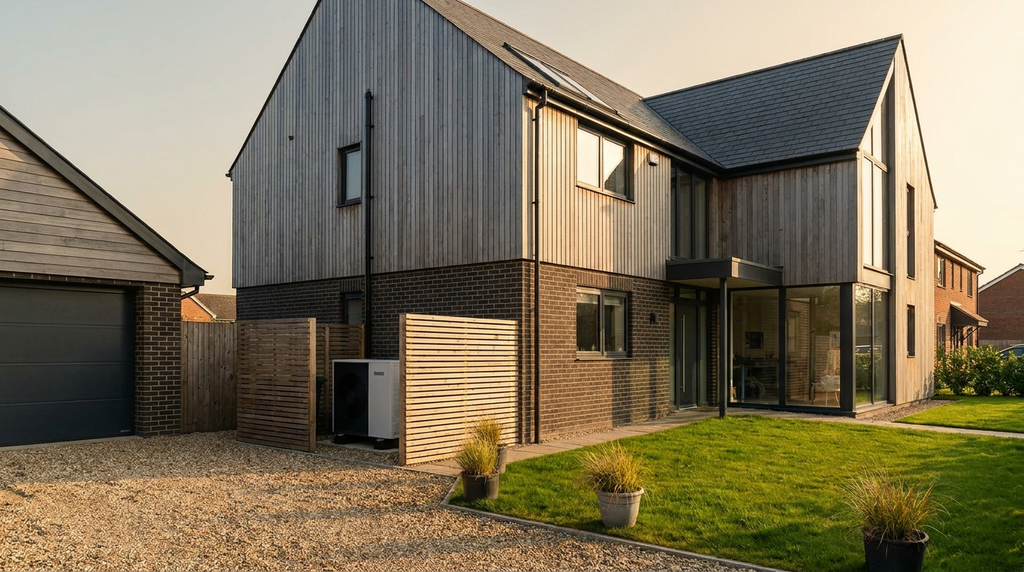
How common a heat pump is depends heavily on where you live and the type of home. In new-build properties, the share is far higher, roughly 1 in 3 new homes now have a heat pump as standard under the Future Homes Standard. In older homes, installation rates are much lower, partly due to higher upfront costs and the need for insulation upgrades. Scotland leads the UK, with around 12% of homes using a heat pump, while Northern Ireland and parts of rural England see higher uptake than urban areas.
Heat pump installations are growing by over 40% each year
Annual heat pump installations in the UK reached around 200,000 in 2025, up from 140,000 in 2024 (Ofgem, 2026). This growth is driven by the Boiler Upgrade Scheme grant of £7,500 for air-source heat pumps and £7,500 for ground-source. The UK government target is 600,000 heat pump installations per year by 2028. Despite this growth, gas boiler sales still outnumber heat pump sales by roughly 8 to 1.
Heat pumps are far more common in new builds than existing homes
In new homes, the Future Homes Standard effectively mandates a low-carbon heating system, so heat pumps are now standard in roughly 30% of new builds (BRE, 2026). In existing homes, only about 3% have a heat pump. This gap exists because retrofitting a heat pump often requires better insulation, larger radiators, or underfloor heating, upgrades that can cost £10,000 to £20,000 on top of the heat pump itself. The Energy Saving Trust notes that well-insulated homes see the best savings from heat pumps (Energy Saving Trust, 2026).
Heat pump uptake varies sharply across UK regions
Scotland leads with around 12% of homes using a heat pump, followed by Northern Ireland at 8% and the South West of England at 5% (GOV.UK, 2026). London and the South East have the lowest uptake, below 2%. This pattern reflects differences in off-gas grid homes, local grant top-ups, and climate, heat pumps are more efficient in milder conditions. In rural areas without mains gas, heat pumps are often the default replacement for oil or LPG boilers.
A worked example
A typical 1930s semi-detached home in Manchester switching from a gas boiler to an air-source heat pump would cost around £12,000 after the £7,500 Boiler Upgrade Scheme grant. This figure assumes a 10kW heat pump, new hot water cylinder, and basic insulation top-ups. According to the Energy Saving Trust, a well-insulated semi-detached home can save roughly £590 per year on heating bills compared to a gas boiler at current energy prices. The payback period on the upfront cost is therefore around 20 years, though this shortens significantly if the home is eligible for ECO4 insulation upgrades or the owner installs solar panels alongside the heat pump. Over 25 years, the total savings would be approximately £14,750, not counting the added property value from a modern heating system. The 0% VAT reduction on heat pump installations, in place until March 2027, also helps bring the upfront cost down further.
| Item | Figure |
|---|---|
| Upfront cost after grants | £12,000 |
| Yearly savings | £590 |
| Payback period | 20 years |
| 25-year lifetime savings | £14,750 |
What homeowners often get wrong
The most common mistake is assuming heat pumps only work in brand-new, super-insulated homes. Here are three frequent misconceptions that can lead to wasted money or missed opportunities.
- Thinking heat pumps are too expensive for older homes Many homeowners believe a 1930s terrace or Victorian property is unsuitable and skip the research entirely. The right answer is that the £7,500 BUS grant and ECO4 insulation funding can cover most of the cost, and many older homes with basic loft and cavity wall insulation achieve excellent performance.
- Believing heat pumps don’t work in cold weather A persistent myth is that heat pumps stop heating when temperatures drop below freezing. The right answer is that modern heat pumps operate efficiently down to -15°C and are the standard heating system in Scandinavian countries with far colder winters than the UK.
- Assuming a heat pump will never pay back before the homeowner moves Many homeowners over 60 worry they won’t recoup the investment. The right answer is that the payback period drops to under 10 years when combining the BUS grant with solar panels and battery storage, and the added property value from an EPC band upgrade can offset the cost immediately at sale.
Quick reference
- Roughly 1 in 20 UK homes had a heat pump installed as of early 2026, with 550,000 units in operation.
- Heat pump installations grew by 43% in 2025 to reach 200,000 annual installations across the UK.
- The Boiler Upgrade Scheme offers £7,500 off an air-source or ground-source heat pump with no income cap.
- A well-insulated semi-detached home can save around £590 per year on heating bills versus a gas boiler.
- Gas boiler sales still outnumber heat pump sales by roughly 8 to 1, despite the rapid growth in heat pump uptake.
Frequently Asked Questions
Roughly 5% of UK homes have a heat pump, about 550,000 units total (GOV.UK, 2026). This is far below the 80% of homes still using gas boilers.
Around 200,000 heat pumps were installed in the UK in 2025, up from 140,000 in 2024 (Ofgem, 2026). The government target is 600,000 per year by 2028.
Yes, roughly 1 in 3 new homes now has a heat pump as standard under the Future Homes Standard (BRE, 2026). In existing homes, only about 3% have one.