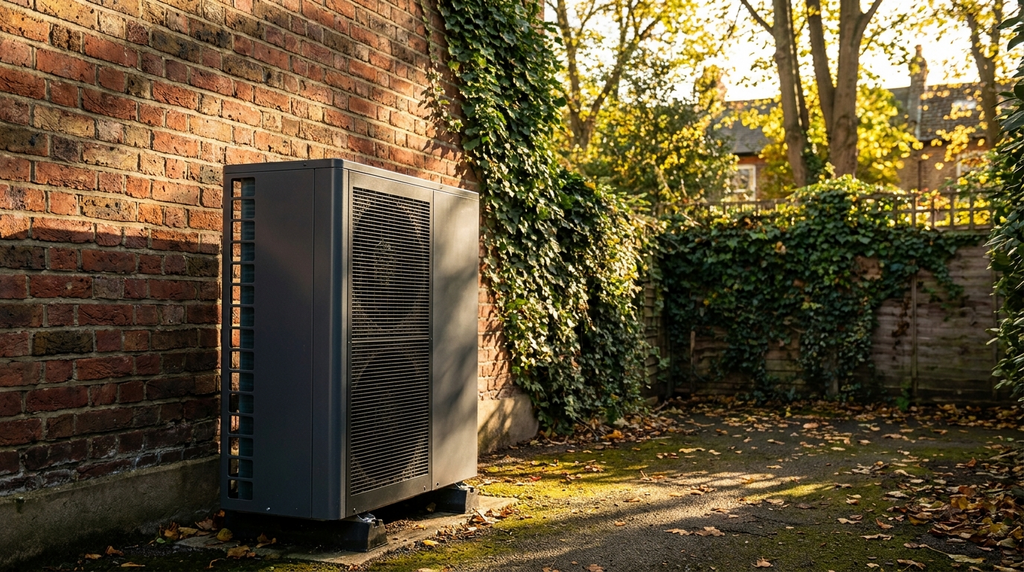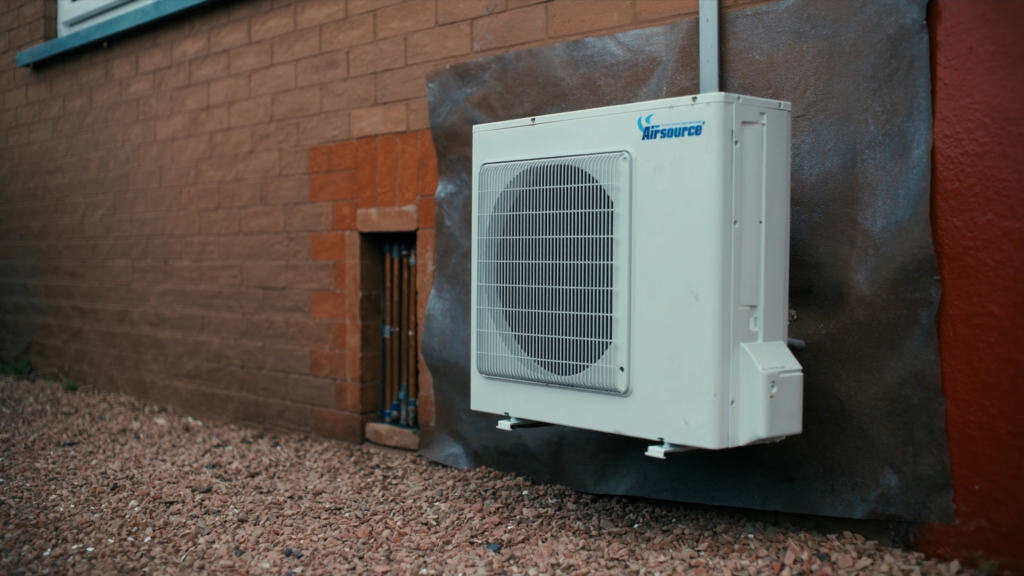
The single most important number the average payback period for a UK heat pump in 2026 is 8–15 years
Many homeowners considering a heat pump want to know how long it will take for the savings to cover the installation cost. This is known as the payback period.
The average payback period for a UK heat pump in 2026 is between 8 and 15 years, depending on your current heating fuel, property efficiency, and whether you qualify for the full Boiler Upgrade Scheme grant (Energy Saving Trust, 2026). For a typical semi-detached home replacing a gas boiler, the payback period falls around 10–12 years at 2026 energy prices.
The payback period is the time it takes for lower annual running costs to offset the higher upfront installation cost compared to a new gas boiler. A shorter payback means the investment is more financially attractive.
How the Boiler Upgrade Scheme grant directly shortens your payback
The 2026 Boiler Upgrade Scheme (BUS) offers a flat £7,500 grant for air-source heat pumps (GOV.UK, 2026). This reduces the upfront cost from roughly £12,000–£15,000 to £4,500–£7,500 for a typical installation.
This grant alone can cut the payback period by 4–6 years compared to no grant. The grant is deducted at installation by an MCS-certified installer. You do not claim it yourself. You must use an installer registered with the Microgeneration Certification Scheme (MCS) to qualify (MCS, 2026).
Your current fuel type changes the payback period by up to 7 years
The fuel you currently use for heating has a large effect on your payback period. Replacing an old gas boiler (running cost around £900 per year for a typical home) with a heat pump (running cost around £600 per year) saves roughly £300 per year (Energy Saving Trust, 2026). On a net cost of £4,500 after the BUS grant, this gives a 10-year payback.
Replacing electric storage heaters (running cost around £1,400 per year) saves roughly £800 per year (Ofgem, 2026). This gives a payback of 5–7 years on the same net cost. Replacing oil or LPG (running cost around £1,200–£1,800 per year) saves £600–£1,200 per year, yielding a 4–8 year payback.
Your property’s energy efficiency determines whether the payback period is realistic
A heat pump operates most efficiently in a well-insulated home. The Energy Saving Trust recommends a minimum of 200mm loft insulation and cavity-wall insulation before installing a heat pump (Energy Saving Trust, 2026). Homes with an Energy Performance Certificate (EPC) band C or better are ideal.
Poor insulation (EPC band D or lower) increases running costs by 20–40%. This extends the payback period by 3–6 years or makes it unviable (DESNZ, 2026). If your home is poorly insulated, installing insulation first will improve the payback calculation.
Quick numbers payback period by scenario (2026)
| Scenario | Upfront cost (after BUS grant) | Annual running cost | Annual savings vs. gas boiler | Payback period (years) |
|---|---|---|---|---|
| Gas boiler replacement (semi-detached) | £4,500 | £600 | £300 | 10–12 |
| Electric storage heater replacement | £4,500 | £600 | £800 | 5–7 |
| Oil boiler replacement | £4,500 | £600 | £800 | 5–8 |
| LPG boiler replacement | £4,500 | £600 | £1,000 | 4–6 |
| Gas boiler replacement (poor insulation) | £4,500 | £850 | £150 | 13–18 |
These figures are based on a typical three-bedroom semi-detached home with average energy use. Your individual numbers will vary depending on your property size and tariff.
How to calculate your own payback period in four steps
Step 1: Get a quote from an MCS-certified installer for the heat pump installation cost, including the BUS grant deduction. The quote should show the total cost before and after the £7,500 grant.
Step 2: Find your current annual heating fuel cost. Look at your energy bills for the total kWh used for heating over the past 12 months. Multiply this by your current unit rate for gas, oil, LPG, or electricity.
Step 3: Estimate the heat pump’s annual running cost. Use the Energy Saving Trust’s online heat pump running cost calculator (Energy Saving Trust, 2026). This takes your property’s heat loss and electricity tariff into account.
Step 4: Divide the net installation cost by the annual savings. The formula is: net installation cost ÷ (current annual heating cost – heat pump annual running cost) = payback period in years.
The direct answer what is a good payback period for a heat pump in the UK?
A good payback period is typically 8–12 years for a gas boiler replacement with the BUS grant. For electric, oil, or LPG replacements, a good payback is 4–8 years.
Anything over 15 years is usually not financially worthwhile unless you are planning to stay in the property for 20 years or more. The payback period is not the only factor to consider. Heat pumps have a lifespan of 20 years or more, and they can increase your home’s value (Energy Saving Trust, 2026).
How to verify your installer and ensure your payback calculation is reliable
Your installer must be MCS-certified for you to qualify for the BUS grant. Check the MCS register online to confirm their certification (MCS, 2026).
The installer must also be registered with TrustMark for consumer protection (TrustMark, 2026). A reliable installer will provide a detailed heat-loss calculation (room by room) and a running-cost estimate as part of the quote. If an installer refuses to provide these, get a second opinion.
How to choose an MCS certified heat pump installer
Boiler Upgrade Scheme 2026 eligibility and application process
Frequently Asked Questions
The average payback period for a UK heat pump in 2026 is 8–15 years, according to the Energy Saving Trust. This depends on your current heating fuel, home efficiency, and eligibility for the Boiler Upgrade Scheme grant.
The Boiler Upgrade Scheme provides a £7,500 grant for air-source heat pumps, reducing the upfront cost by 4–6 years of payback, as reported by GOV.UK. This shortens the payback period significantly for most households.
For a typical semi-detached home replacing a gas boiler, the payback period is around 10–12 years at 2026 energy prices, according to the Energy Saving Trust. This assumes the full Boiler Upgrade Scheme grant is applied.
Replacing electric storage heaters with a heat pump can achieve a payback period of 5–7 years, based on Ofgem data. The higher running cost savings accelerate the payback compared to gas boiler replacements.
Yes, you must use an MCS-certified installer to qualify for the Boiler Upgrade Scheme grant, as confirmed by MCS. The installer deducts the £7,500 grant from your installation cost automatically.