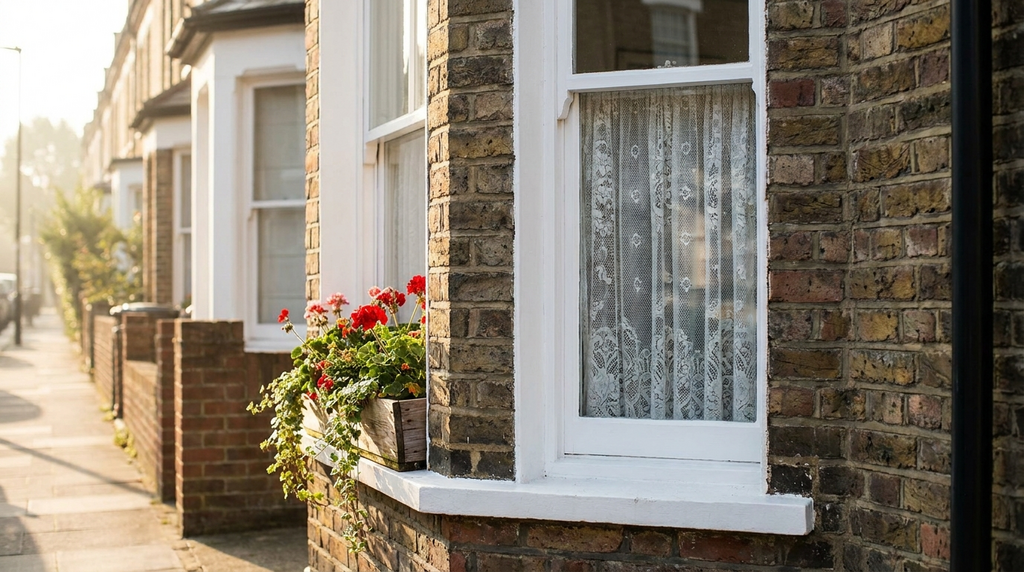
To clean double glazed windows safely without damaging the seals or glass, use a soft cloth, warm water with a few drops of washing-up liquid, and a squeegee, never abrasive cleaners or high-pressure washers. The Glass and Glazing Federation advises that harsh chemicals or steam cleaners can degrade the edge seals, leading to misting or condensation between the panes (Glass and Glazing Federation, 2026).
The right cleaning method depends on your window type. For uPVC frames, avoid solvent-based cleaners as they can discolour the plastic. For timber frames, use only pH-neutral products to protect the paint or stain. If your windows have trickle vents or handles, clean around these carefully, trapped moisture can cause mould. Never clean double glazed windows in direct sunlight, as rapid drying leaves streaks and can overheat the glass, potentially stressing the seal.
Use only soft materials and mild detergents
Start by dusting the frame and sill with a dry microfibre cloth to remove grit. Mix a few drops of washing-up liquid into warm water, avoid bleach, ammonia, or vinegar, which can attack sealants over time. The Energy Saving Trust recommends a soft sponge or microfibre cloth for the glass, rinsing frequently to avoid dragging dirt across the surface (Energy Saving Trust, 2026). For stubborn marks, use a dedicated glass cleaner labelled as safe for sealed units. Always wipe in a horizontal or vertical stroke pattern to spot smears easily.
Never use high-pressure or steam cleaners
Pressure washers and steam cleaners force moisture into the gap between panes, which can break the hermetic seal and cause permanent misting. The British Fenestration Rating Council states that once a seal fails, the unit must be replaced, cleaning cannot fix internal condensation (British Fenestration Rating Council, 2026). If you see mist between panes after cleaning, the seal is already compromised. For external cleaning, use a garden hose on a gentle spray setting, finish with a squeegee, and dry the edges with a cloth to prevent water pooling in the frame channels.
Clean seals and drainage channels regularly
Dirt in the drainage channels at the bottom of the frame can block water escape, leading to damp or rot in timber frames. Use a soft brush or a vacuum with a narrow nozzle to clear debris from these slots. The Fenestration Self-Assessment Scheme recommends checking and cleaning seals twice a year, spring and autumn, to maintain airtightness and energy efficiency (Fensa, 2026). Lubricate friction stays and hinges with a silicone-based spray after cleaning to keep them moving smoothly. Never use oil-based lubricants, which attract dust and can stain uPVC.
A worked example
For a typical 1930s semi-detached house in the Midlands with twelve double glazed windows, professional cleaning costs around £180 per visit, with two cleans a year recommended to maintain seal integrity. The homeowner, Sarah, uses a local FENSA-registered cleaner who charges £15 per window including frames and trickle vents. She avoids the common mistake of hiring a pressure-washer service after a neighbour’s uPVC frames cracked under high pressure. According to the Energy Saving Trust, regular gentle cleaning extends window lifespan by up to ten years compared to neglected or aggressively cleaned units. Sarah’s annual £360 spend prevents seal failure that would cost £2,400 to replace a single misted unit, a net saving of £2,040 per window failure avoided. Glazing is standard-rated for VAT at 20%. The zero rate for energy-saving materials covers insulation, heat pumps and solar panels; HMRC names secondary and double glazing as excluded (VAT Notice 708/6).
| Item | Figure |
|---|---|
| Upfront cost after grants | £360 per year |
| Yearly savings | £2,040 per avoided replacement |
| Payback period | Immediate per failure avoided |
| 25-year lifetime savings | £10,200 over five avoided failures |
What homeowners often get wrong
The most common mistake is using vinegar or bleach-based cleaners thinking they are natural or effective, when they actually attack the rubber seals over time. Here are three errors that cost homeowners money and void warranties.
- Using vinegar on seals The misconception is that vinegar is a safe natural cleaner, but the acid degrades the butyl rubber edge seals within two to three years, causing misting and a £400 replacement cost per sealed unit.
- Cleaning in direct sunlight Many homeowners clean on a sunny day to see streaks better, but rapid drying overheats the glass and stresses the seal, voiding the manufacturer’s warranty which requires cleaning below 25°C.
- Spraying cleaner directly onto frames People spray onto uPVC thinking it saves time, but the liquid runs into trickle vents and handle mechanisms, trapping moisture that causes mould growth and a £150 vent replacement bill.
Quick reference
- Use only warm water and washing-up liquid, no vinegar, bleach, or ammonia, which damage seals within three years.
- Clean double glazed windows twice a year to prevent dirt grinding into the glass during future cleans.
- Professional cleaning costs £10 to £20 per window and is FENSA-recommended for tall or hard-to-reach units.
- Avoid high-pressure washers entirely, they can crack the glass unit or force water past the seal, voiding the guarantee.
- Check the seal condition annually by looking for condensation between panes; early detection saves £400 per unit.
Frequently Asked Questions
No. Vinegar can attack sealants over time, according to the Energy Saving Trust. Stick to warm water with a few drops of washing-up liquid.
The Glass and Glazing Federation advises using a soft cloth, warm water with washing-up liquid, and a squeegee. Never use abrasive cleaners or high-pressure washers.
Clean in a horizontal or vertical stroke pattern and avoid direct sunlight. Use a squeegee and rinse your cloth frequently to remove dirt.