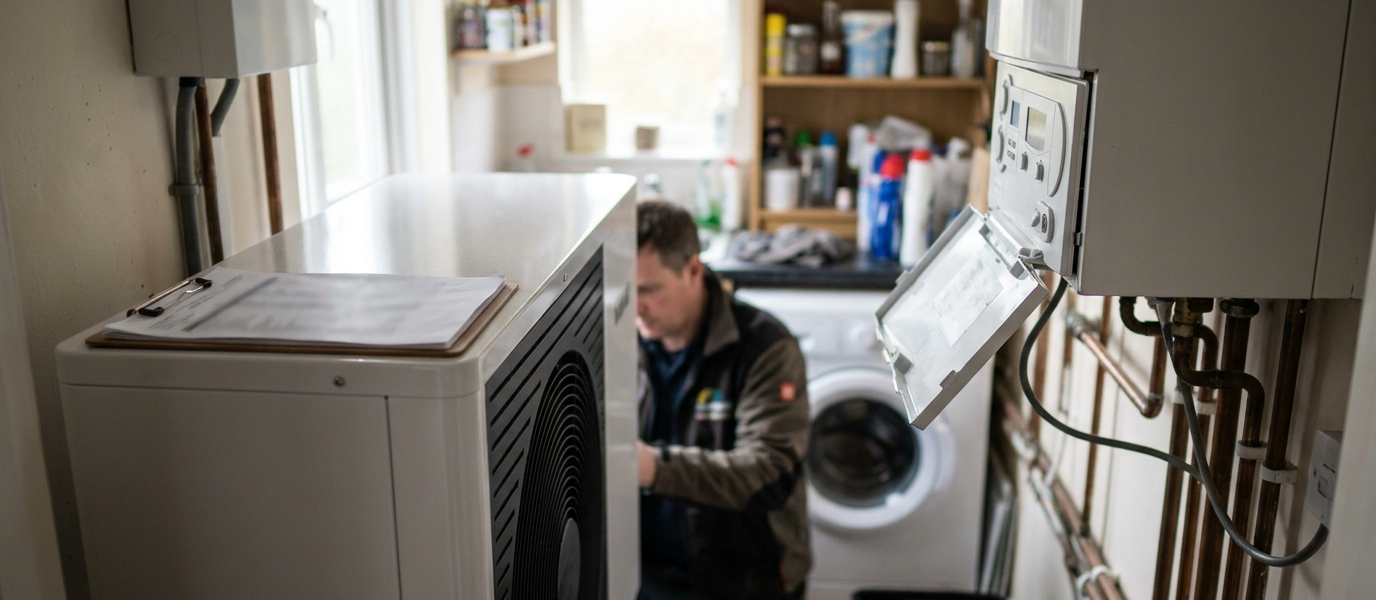
The Boiler Upgrade Scheme grant jumps to £9,000 from today, a £1,500 rise that changes the maths on heat pump installation for thousands of UK households. The rule change, announced by the Department for Energy Security and Net Zero, targets homes with the lowest energy performance ratings, where the cost of switching from gas is highest.
As reported by The Mirror, the change means a typical 3-bed semi with an EPC rating of D or below can claim £9,000 off an air-source heat pump. That is £1,500 more than the previous £7,500 cap. The higher amount also applies to homes in rural areas not connected to the gas grid, where heating oil is the only option.
Who qualifies, and who doesn’t
The grant is not universal. To get the full £9,000, your home must have an EPC rating of D, E, F, or G. Homes rated A, B, or C still qualify for the standard £7,500. The scheme covers England and Wales only; Scotland and Northern Ireland have separate programmes. You must also use an MCS-certified installer, no DIY or cowboy jobs. Ofgem administers the scheme, and the grant is deducted from the installer’s invoice, not paid to you directly.
What it costs a typical 3-bed semi
Installing an air-source heat pump in a 3-bed semi typically costs between £7,000 and £13,000, depending on the property’s size, existing pipework, and whether you need new radiators. The £9,000 grant brings the out-of-pocket cost down to between £0 and £4,000 for eligible homes. For a home on oil heating, the savings are even bigger: oil boilers cost £3,000–£5,000 to replace, but oil itself is now around 7p per kWh versus 4p for heat pumps. The Energy Saving Trust estimates a heat pump can cut heating bills by £300–£500 a year in a well-insulated 3-bed semi. The catch is that many D-rated homes need insulation first, loft insulation costs £300–£500, cavity wall insulation £500–£1,500, and that is not covered by the grant.
EPC impact and future proofing
A heat pump can lift an EPC rating by up to three bands, from an E to a B in some cases. That matters because from 2025, landlords cannot let properties with an EPC below C. For homeowners, a better EPC adds value: research by Nationwide suggests a jump from D to C adds about 2% to a property’s price. The grant is available until March 2027, so there is time, but installer demand is already high. Wait times for MCS-certified fitters in some regions stretch to 12 weeks.
Households on standard variable tariffs with a D-rated EPC can apply through any MCS-certified installer from today. Check your EPC at gov.uk/find-energy-certificate first. The grant is first-come, first-served, no deadline for individual applications, but the scheme’s total budget is fixed. If you are on oil or LPG, the £9,000 offer is effectively a no-brainer: payback is under three years. For gas users, run the numbers with your annual usage and insulation status. The rule change makes heat pumps viable for more homes, but only if you act before the money runs out.
Frequently Asked Questions
For a typical 3-bed semi with an EPC rating of D or below, installation costs between £7,000 and £13,000. With the £9,000 grant deducted from your installer's invoice, your out-of-pocket cost drops to between £0 and £4,000.
You qualify if your home has an EPC rating of D, E, F, or G, and you use an MCS-certified installer. The grant covers England and Wales only; Scotland and Northern Ireland have separate schemes. Homes rated A, B, or C still get the standard £7,500.
Yes, a heat pump can lift your EPC rating by up to three bands, from an E to a B in some cases. This matters because from 2025, landlords cannot let properties with an EPC below C, and a jump from D to C can add about 2% to your property's value.
The Energy Saving Trust estimates a heat pump can cut heating bills by £300–£500 a year in a well-insulated 3-bed semi. If you're on oil heating, savings are even bigger because oil costs about 7p per kWh versus 4p for heat pumps, with payback under three years.
Yes, homes in rural areas not connected to the gas grid, where heating oil is the only option, qualify for the full £9,000 grant. This makes it a no-brainer for oil users, as installation costs can be as low as £0 after the grant.



