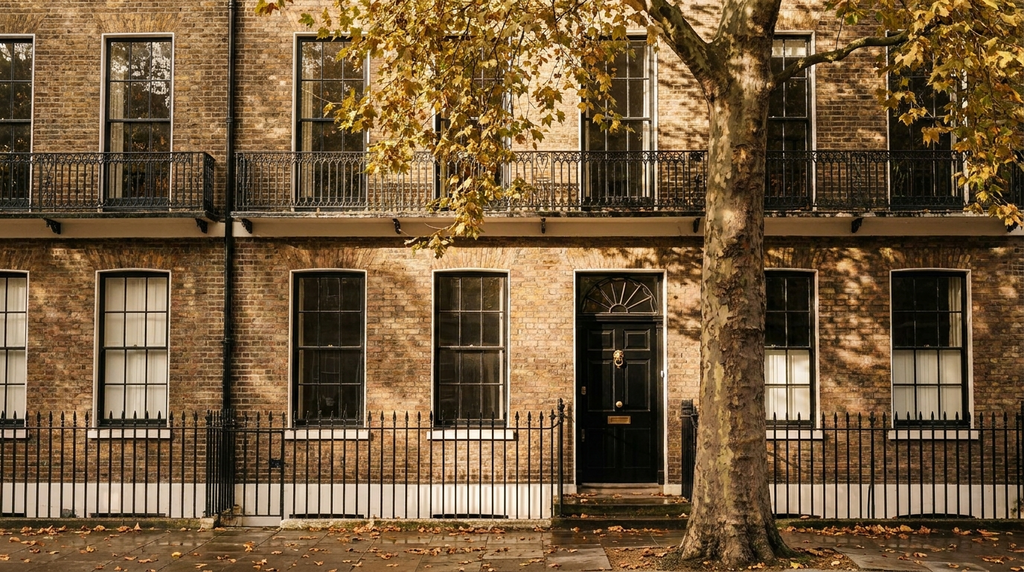
Conservatory ideas and design 2026
Conservatory costs £5,000–£20,000 for a new build in 2026, plus £4,000–£8,000 for a solid roof upgrade. Single-glazed units lose heat 4x faster than brick rooms, so insulation is key for…
Practical energy saving advice for UK homeowners and renters. Reduce bills, improve your EPC rating, and make your home more comfortable without major spending.
210 articles
Conservatory costs £5,000–£20,000 for a new build in 2026, plus £4,000–£8,000 for a solid roof upgrade. Single-glazed units lose heat 4x faster than brick rooms, so insulation is key for…
An orangery costs £15,000-£40,000 in 2026 for a 3m x 3m to 5m x 4m structure. It offers better insulation than a conservatory thanks to its solid roof with glass…
A standard 20m² orangery costs £15,000–£35,000 in 2026, with a median of £22,000. That works out at £1,100–£1,800 per m², roughly 30% less than a full extension. Compare quotes from…
An orangery costs £25,000–£40,000 versus £12,000–£25,000 for a conservatory (Checkatrade, 2026). However, the orangery saves £300–£600 a year on heating and adds more resale value, making it better for long-term…
A lean-to conservatory costs £8,000–£25,000 installed in 2026, with a basic 3m x 3m model at £8,000–£10,000. The price depends on roof material, frame type, and size. Compare quotes from…
Edwardian conservatories cost £12,000–£35,000 fully installed in 2026 for a standard 3m x 4m size. The price varies by frame material (uPVC, aluminium), roof type (polycarbonate, tiled), and any structural…
A conservatory costs £6,000 to £40,000 in 2026 depending on type, frame, and roof. A 3m x 3m uPVC lean-to starts at £6,000–£9,000, while a large hardwood Victorian can reach…
Eco upgrades insurance impact: solar panels add £25-£65 to annual premiums, heat pumps £10-£80. Notifying your insurer before installation is critical to avoid claim rejection. Compare policies after installation.
An EPC C rating adds 1-5% (around £9,000-£15,000 on a £300k home) to a UK property's sale price in 2026. Heat pumps and solar panels also boost value, with well-installed…
Improving your home's energy efficiency before selling can add roughly £5,000 to the asking price. The best returns come from cavity wall insulation and loft top-ups, which pay back in…
Caravan EV charging typically costs £5-£15 per overnight charge using a 16A hookup with a £30-80 adapter cable. A 50 kWh battery takes 14-22 hours, much slower than a home…
The best EV heat pump tariff saves around £450 a year versus a standard variable rate. OVO Energy's EV & Heat Pump tariff offers the lowest off-peak rate at 7.5p/kWh…
Tethered chargers cost £150–£250 more upfront than untethered, but the lifetime difference narrows to under £100. Untethered units offer cheaper cable replacement at £40–£80 and greater flexibility in cable length.
EV charger maintenance costs under £50 per year for a professional visit, vs £150-£300 for a single repair call-out. Three simple checks, RCD test, pin inspection, and Wi-Fi reset, prevent…
A smart EV charger costs £300–£500 more upfront than a standard model but can save £200–£400 per year on electricity bills, with a typical payback period of 1–2 years. For…
EVs cost 4-5p per mile vs 12-14p for petrol in 2026, saving £800-£1,000 annually for a 10,000-mile driver. The higher purchase price is offset within 3-5 years for most home…
Type 2 is the standard EV charging cable for all new UK cars since 2018, while Type 1 suits older imports. A separate cable costs £50–£150. Tethered wallboxes add £200–£300…
MVHR systems cost £2,000-£5,000 installed and save £150-£300 yearly on heating bills. Payback ranges from 8 to 18 years depending on system type and property size, with centralised units offering…
Smart lighting can cut energy use by up to 75% compared with standard bulbs, according to the Energy Saving Trust. The real saving comes from eliminating wasted hours and unnecessary…
A full-home LED upgrade saves £20 to £30 per year and pays for itself in under two years. With bulb costs as low as £3 each from major UK retailers,…
Eco carpet flooring costs £20–£55 per m² supply and fit, with wool at 5–8 kg CO₂e/m² compared to 15–25 for synthetic. Natural fibres biodegrade and reduce indoor pollution.
Replace if the repair quote exceeds 50% of a new appliance's cost. For appliances under five years old, repair is often worth it even up to 60–70% of new. Check…
The average UK household uses 480 kg of plastic packaging yearly, but only 45% is recycled. A 2026 DEFRA grant offers up to £2,500 for eligible households to replace plastic…
Eco cleaning products cost from 40p per litre for concentrates. Switching all five common cleaners to concentrates saves £18–25 annually compared to pre-mixed eco brands. Concentrates also cut plastic weight…
The cheapest improvements are draught proofing (from 50 pounds DIY), topping up loft insulation (from 300 pounds), and using a smart thermostat to optimise heating schedules. These can save 200 to 400 pounds per year combined with minimal upfront cost.
Moving from EPC band D to C typically saves 200 to 400 pounds per year on energy bills. Going from E to C could save 400 to 700 pounds. The improvements also increase property value and may be required for rental properties in future regulations.
Smart meters do not directly save money, but the real-time display helps you identify and reduce wasteful usage. Studies suggest households with smart meters and in-home displays reduce consumption by 2 to 3 percent. The main benefit is accurate billing and easier switching between suppliers.
Building an eco home costs £150,000–£300,000 in the UK. Compare 2026 grants including up to £7,500 from the Boiler Upgrade Scheme to cut your build costs.
Renters in the UK can meaningfully reduce their energy bills without making any permanent changes to their home by combining no-cost habit changes, low-cost portable products, and free grant entitlements.…
To make an old house energy efficient, follow a fabric-first sequence starting with draught-proofing (£200–£500) and insulation before upgrading your heating system or adding renewables. For a typical pre-1980 UK…
The best energy saving improvements ranked by payback time start with draught proofing and LED lighting, which can pay back within one to two years for under £300 combined.
Economy 7 is the cheapest time of use tariff UK 2026 for households that shift at least 30% of electricity use to off-peak hours. If you cannot, a standard single-rate…
Octopus Tracker saves 10-20% below the Ofgem price cap with a monthly fixed rate, while Agile averages 15% below but changes every 30 minutes. Choose Tracker for simplicity or Agile…