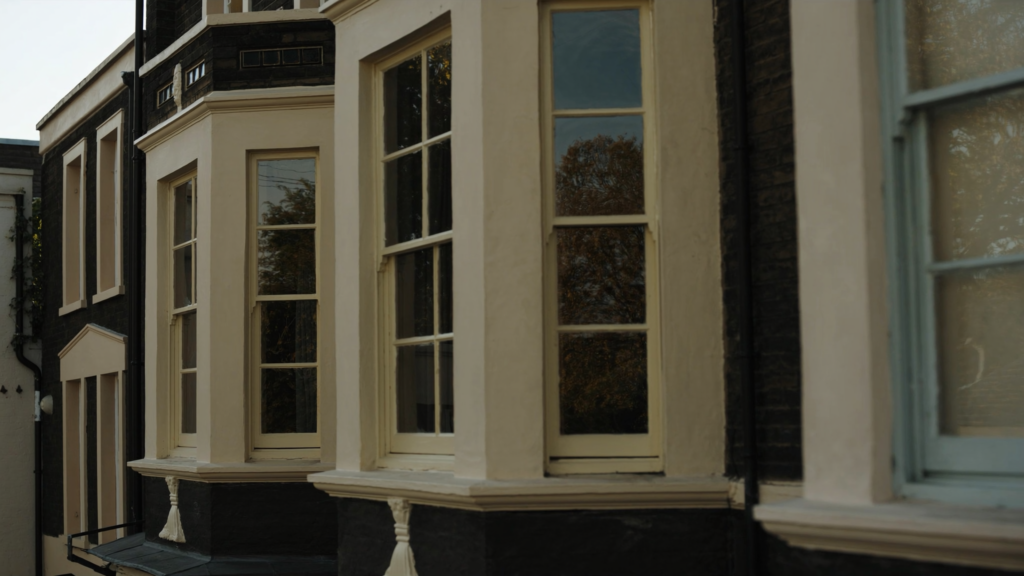
Coloured uPVC windows now account for over 25% of UK window installations (source Ofgem/Energy Saving Trust 2026 market data)
Coloured uPVC windows now account for more than 25% of all new window installations in the UK, according to 2026 market data from the Energy Saving Trust and Ofgem (Energy Saving Trust, 2026). This is a 40% increase in demand since 2022, meaning coloured frames are no longer a niche premium product but a mainstream choice available from most major suppliers.
This buyer guide focuses on what you need to know as a homeowner: eligibility for government grants, typical costs, and the installation standards that apply. The key question is whether coloured uPVC windows qualify for financial support in the same way white frames do, and what the real performance differences are.
Quick numbers cost, energy rating, and grant eligibility for coloured uPVC windows
| Metric | Value | Source |
|---|---|---|
| Average cost per window (installed) | £450–£1,200 | Energy Saving Trust, 2026 |
| Typical U-value of modern coloured uPVC | 1.2–1.4 W/m²K | DESNZ product database, 2026 |
| Minimum U-value for ECO4 grant eligibility | 1.4 W/m²K | GOV.UK ECO4 rules, 2026 |
| Average annual energy saving (replacing single glazing) | £200–£300 | Energy Saving Trust, 2026 |
| Number of MCS-certified coloured uPVC suppliers in UK | 1,200+ | MCS register, 2026 |
The table above gives you the headline figures. A typical coloured uPVC window costs between £450 and £1,200 installed, with energy performance matching white frames. The U-value (a measure of heat loss, where lower is better) is the critical number for grant eligibility.
Who qualifies for government grants for coloured uPVC windows in 2026
The direct answer is that coloured uPVC windows qualify for the same government grants as white uPVC, provided the windows meet the minimum U-value of 1.4 W/m²K (GOV.UK ECO4 guidance, 2026). There is no colour-based exclusion in any major UK grant scheme.
Eligibility for the Energy Company Obligation (ECO4) scheme depends on two primary factors: your household income (you must be receiving certain benefits) and your property’s Energy Performance Certificate (EPC) rating, which must be D or below. The Great British Insulation Scheme also follows similar rules but focuses on specific measures like window upgrades alongside insulation. Local authority schemes may have different thresholds, but they generally match ECO4.
Homeowners most likely to qualify are those in social housing or on benefits such as Pension Credit, Income Support, or Universal Credit. You can check your specific eligibility on the GOV.UK ECO4 page (GOV.UK, 2026).
How to verify a coloured uPVC window installer is certified and grant-eligible
For any government-funded window replacement, the installer must be certified under the Microgeneration Certification Scheme (MCS). MCS certification is the key requirement for ECO4 and other schemes, as it confirms the installer meets technical and quality standards (MCS, 2026).
To verify an installer, visit the official MCS register and search by company name or registration number. The register shows whether the installer holds current certification for window installation. You should also check that they have relevant insurance and comply with building regulations, which MCS certification covers.
TrustMark registration provides additional consumer protection, but it is not mandatory for grants. However, if an installer is not MCS-certified, they cannot be used for ECO4-funded work, even if the windows themselves meet the U-value requirements. Always ask for the MCS certificate number before any work begins.
The real difference between coloured uPVC and white uPVC for energy performance
Colour does not affect the U-value of a uPVC window. The thermal performance is determined by the core material (the uPVC profile) and the glazing unit, both of which are identical regardless of colour. This means a coloured uPVC window with the same glazing specification as a white one will have the same energy rating.
The only performance difference is solar heat gain. Darker colours absorb more heat from sunlight, which can slightly reduce heating demand in winter. According to a technical note from the Building Research Establishment and Energy Saving Trust, this effect is negligible for most homes, accounting for less than 2% variation in annual energy use (BRE/EST, 2026).
What matters for energy efficiency is the glazing specification: double or triple glazing, low-E coating, and the gas fill in the cavity. Focus on these factors rather than the frame colour when comparing products.
The one number that determines if your coloured uPVC windows qualify for a grant
The single number you need to know is the U-value. For ECO4 grant eligibility, the windows must have a U-value of 1.4 W/m²K or lower (GOV.UK ECO4 technical requirements, 2026). This is the same for coloured and white uPVC.
You can find the U-value on the product’s energy label or specification sheet. It is typically printed on the frame or available from the manufacturer. The U-value is determined by the glazing unit and frame design, not the colour, so a coloured window can easily meet the 1.4 threshold if it uses modern double glazing.
If the installer cannot provide a certified U-value for the specific model, the windows are unlikely to be grant-eligible. Always request the U-value in writing before ordering.
Where to find the official list of grant-approved coloured uPVC window models in the UK
The official list of grant-approved window models is the MCS product database (MCS website, 2026). Only models listed on this database can be used for ECO4 or Great British Insulation Scheme work.
The database includes the U-value for each model, the colour options available, and the manufacturer details. You can search by product name or manufacturer to check if a specific window is approved. If your chosen model is not listed, it cannot be used for government-funded installation.
Before you buy, ask the installer for the model’s MCS certificate number. You can then verify this on the MCS register to confirm the product is eligible. This step protects you from buying windows that cannot be covered by a grant.
What happens if you buy non-grant-eligible coloured uPVC windows
If you buy windows with a U-value above 1.4 W/m²K, you cannot claim any government grant for them, even if the installer is MCS-certified. The U-value is the deciding factor, not the installer’s certification.
Local authority schemes may have different thresholds. For example, some London boroughs require a U-value of 1.2 W/m²K or lower (local authority guidance, 2026). Always check the specific requirements of your local scheme before purchasing.
Retrofitting non-eligible windows later to meet grant criteria is rarely cost-effective. You would need to replace the glazing unit or the entire frame, which typically costs more than buying eligible windows in the first place. The safest approach is to confirm eligibility in writing from the installer before ordering. Ask for a written statement that the windows meet the U-value required by your chosen grant scheme.
How to check your home’s EPC rating before applying for a window grant
The Great British Insulation Scheme closed on 31 March 2026. It funded insulation measures only and never covered windows or glazing.
Frequently Asked Questions
Yes, coloured uPVC windows typically cost 10–20% more than white frames, averaging £450–£1,200 installed per window. The Energy Saving Trust confirms this premium reflects the specialised coating process.
Yes, modern coloured uPVC windows achieve U-values of 1.2–1.4 W/m²K, matching white uPVC performance. The DESNZ product database confirms these ratings for 2026.
Yes, coloured uPVC windows qualify for ECO4 grants if their U-value is 1.4 W/m²K or lower. GOV.UK ECO4 rules confirm no colour-based exclusion applies.
Coloured uPVC windows typically last 20–35 years with proper maintenance, according to the Energy Saving Trust. The colour coating is UV-stable and fade-resistant.
Yes, coloured uPVC windows require gentle cleaning with mild soap and water to avoid scratching the coating. The MCS recommends avoiding abrasive cleaners to preserve the finish.