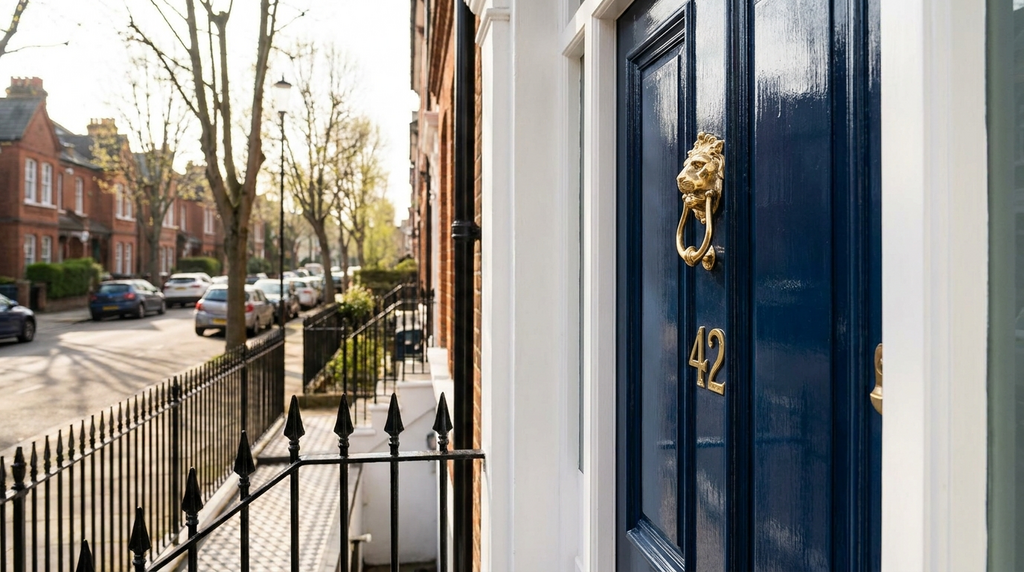
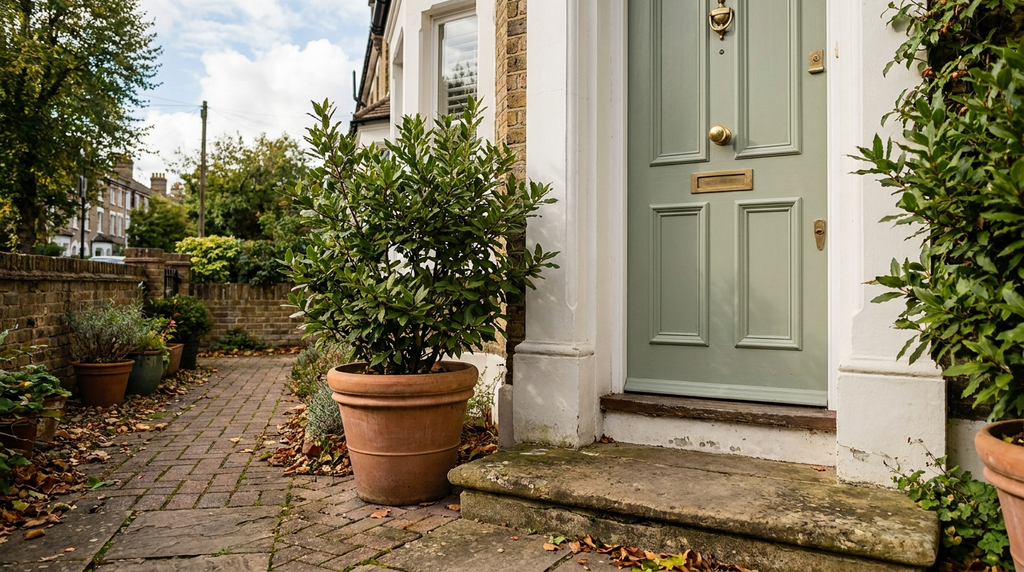
One in five UK homes still has a single-glazed or poorly insulated front door, according to the Energy Saving Trust’s 2025 housing stock report (Energy Saving Trust, 2026). The Energy Saving Trust estimates that fitting an A-rated door can save a typical semi-detached home around £70–£85 per year on heating bills. The report notes that doors account for up to 10% of heat loss in an uninsulated home. This article explains the 2026 styles, costs, and eligibility for grants to upgrade your wooden door.
The most cost-effective wooden door in 2026 is an A-rated engineered wood door costing £500–£900 supplied and fitted. The Great British Insulation Scheme closed on 31 March 2026. It funded insulation measures only and never covered windows or glazing.
- A-rated engineered wood doors cost £500–£900 supplied and fitted in 2026.
- Traditional panelled oak doors have U-values from 1.2 to 1.6 W/m²K.
- Contemporary flush doors achieve U-values of 0.8–1.0 W/m²K with foam insulation.
- Glazed wooden doors with low-E glass can reach U-values below 1.4 W/m²K.
- The Great British Insulation Scheme closed on 31 March 2026. It funded insulation measures only and never covered windows or glazing.
- The three most popular wooden door styles for UK homes in 2026
- Quick numbers – average costs for wooden doors in 2026
- Who qualifies for UK grant funding for wooden doors in 2026
- The direct answer to “which wooden doors are best for UK homes in 2026?”
- How to verify your wooden door installer is certified for grants in 2026
- How to check your home’s eligibility for a wooden door grant before you buy
The Great British Insulation Scheme closed on 31 March 2026. It funded insulation measures only and never covered windows or glazing.
The three most popular wooden door styles for UK homes in 2026
Three main styles dominate the UK wooden door market in 2026, each suited to different property types and budgets.
Traditional panelled doors are typically made from oak, mahogany, or engineered wood, and remain the most common choice for period properties. They offer a classic look with 4–6 raised or flat panels, and can be stained or painted. U-values for solid oak panelled doors range from 1.2 to 1.6 W/m²K (DESNZ Product Characteristics Database, 2026).
Contemporary flush doors have sleek, flat designs, often in painted finishes such as grey, black, or white. These are popular for modern homes and extensions. Most flush doors use engineered wood cores with foam insulation, achieving U-values of 0.8–1.0 W/m²K (MCS Register, 2026). They are generally lighter and cheaper than solid wood alternatives.
Glazed wooden doors feature single or double-glazed inserts, usually made from toughened glass, to let in natural light while maintaining insulation. Double-glazed options with low-E glass and argon gas fill can achieve U-values below 1.4 W/m²K, making them eligible for most grant schemes. The glass unit must be certified under building regulations (Part L) for new or replacement doors (GOV.UK, 2026).
Quick numbers – average costs for wooden doors in 2026
| Door Type | Material | Average Cost (supply only) | Average Cost (supplied & fitted) | Source |
|---|---|---|---|---|
| Traditional panelled | Oak | £400–£800 | £700–£1,200 | EST / local installers |
| Contemporary flush | Engineered wood | £250–£500 | £500–£900 | EST / online retailers |
| Glazed wooden | Oak with double glazing | £600–£1,200 | £900–£1,600 | MCS / DESNZ |
Costs exclude VAT and regional labour variations. Fitting costs typically add £200–£400 for a standard door, depending on whether the frame needs replacement or adjustment (Energy Saving Trust, 2026). Prices can rise by 20–30% in London and the South East due to higher labour rates.
Who qualifies for UK grant funding for wooden doors in 2026
Grant funding for wooden doors is available through three main schemes, but each has specific eligibility rules.
The Great British Insulation Scheme closed on 31 March 2026. It funded insulation measures only and never covered windows or glazing. The door must achieve a U-value below 1.4 W/m²K (GOV.UK, 2026).
The ECO4 scheme (Energy Company Obligation) may fund a wooden front door for households on certain benefits, including Pension Credit, Income Support, Universal Credit, or Child Tax Credit. The existing door must be single-glazed or uninsulated, and the property must have an EPC rating of D or below (Ofgem ECO4 guidance, 2026).
The Home Upgrade Grant (HUG2) targets off-gas-grid homes in England and Wales. Wooden doors are eligible only if the property has an EPC rating of D or below and the home uses electric heating, oil, LPG, or solid fuel. Contact your local authority to apply (DESNZ HUG2 eligibility criteria, 2026).
The direct answer to “which wooden doors are best for UK homes in 2026?”
For most homeowners, an A-rated engineered wood door with a thermal break offers the best balance of cost, insulation, and durability. These doors typically cost £500–£900 supplied and fitted, and achieve U-values of 0.8–1.0 W/m²K (DESNZ Product Characteristics Database, 2026).
Solid oak doors can achieve U-values of 1.2–1.6 W/m²K, while engineered wood doors with foam cores can reach 0.8–1.0 W/m²K (MCS Register, 2026). The Energy Saving Trust recommends choosing a door with a U-value below 1.4 W/m²K to qualify for most grant schemes (Energy Saving Trust, 2026).
If your home is a period property, a traditional panelled oak door may be more appropriate for aesthetic reasons, but you will pay more for heating and may not qualify for grants. A glazed wooden door with double glazing is the best option if you need natural light, but expect higher upfront costs of £900–£1,600 supplied and fitted.
How to verify your wooden door installer is certified for grants in 2026
The Great British Insulation Scheme closed on 31 March 2026. It funded insulation measures only and never covered windows or glazing. Without MCS certification, your grant claim will be rejected.
For non-grant work, look for TrustMark registration, which is a government-endorsed quality scheme covering all home improvement work (TrustMark, 2026). If your wooden door includes glazing, the installer should also hold FENSA certification for building regulations compliance (FENSA, 2026).
Gas Safe Register is not relevant for doors. However, if the door incorporates electrical components such as integrated smart locks or electric openers, the installer must be registered with NICEIC or NAPIT (GOV.UK Find an installer tool, 2026).
How to check your home’s eligibility for a wooden door grant before you buy
Before purchasing a wooden door, check your eligibility for grant funding through three steps.
First, check your EPC rating on the GOV.UK “Find an energy certificate” page (GOV.UK, 2026). Only homes rated D or below qualify for HUG2, and ECO4 also requires a low EPC rating.
Second, use the Ofgem eligibility checker for ECO4 (Ofgem ECO4 eligibility page, 2026). You must be receiving a qualifying benefit, such as Pension Credit, Income Support, Universal Credit, or Child Tax Credit. The list of qualifying benefits is available on the same page.
Third, contact your local authority for HUG2 funding. They will verify if your home is off the gas grid and if a wooden door is included in the approved work list for your area (DESNZ HUG2 local authority contact list, 2026).
How to check your EPC rating before applying for a door grant
Comparing MCS and TrustMark certified installers for doors
Frequently Asked Questions
Expect to pay £500–£900 for an A-rated engineered wood door supplied and fitted. Solid oak doors range from £800 to £1,500, while contemporary flush doors start around £450. Prices vary by style and glazing options, per the Energy Saving Trust.
Traditional panelled doors in oak or mahogany suit period properties best. They offer classic 4–6 panel designs and can be stained or painted to match original features, according to the DESNZ Product Characteristics Database.
Double-glazed options with low-E glass and argon gas fill meet this threshold, as confirmed by the MCS Register.
Fitting an A-rated wooden door can save a typical semi-detached home around £70–£85 per year on heating bills. The Energy Saving Trust estimates doors account for up to 10% of heat loss in uninsulated homes.
Solid oak panelled doors have U-values of 1.2–1.6 W/m²K, contemporary flush doors achieve 0.8–1.0 W/m²K, and double-glazed wooden doors can reach below 1.4 W/m²K, per the DESNZ Product Characteristics Database and MCS Register.