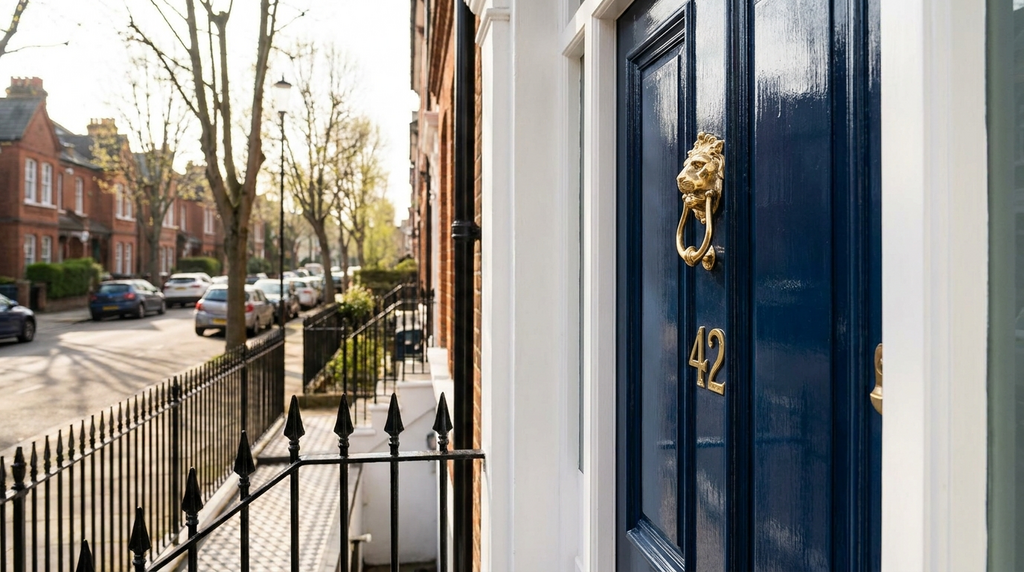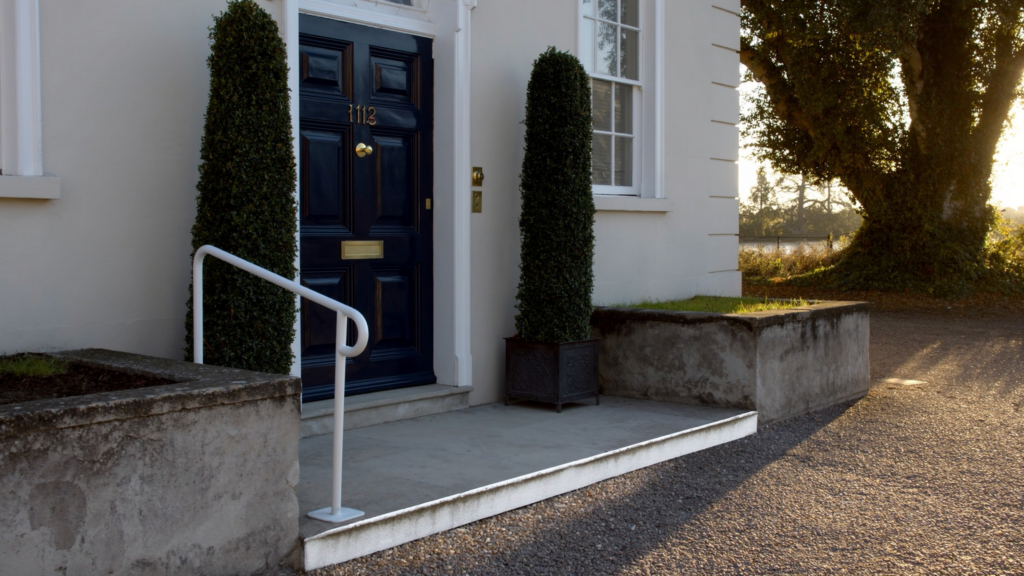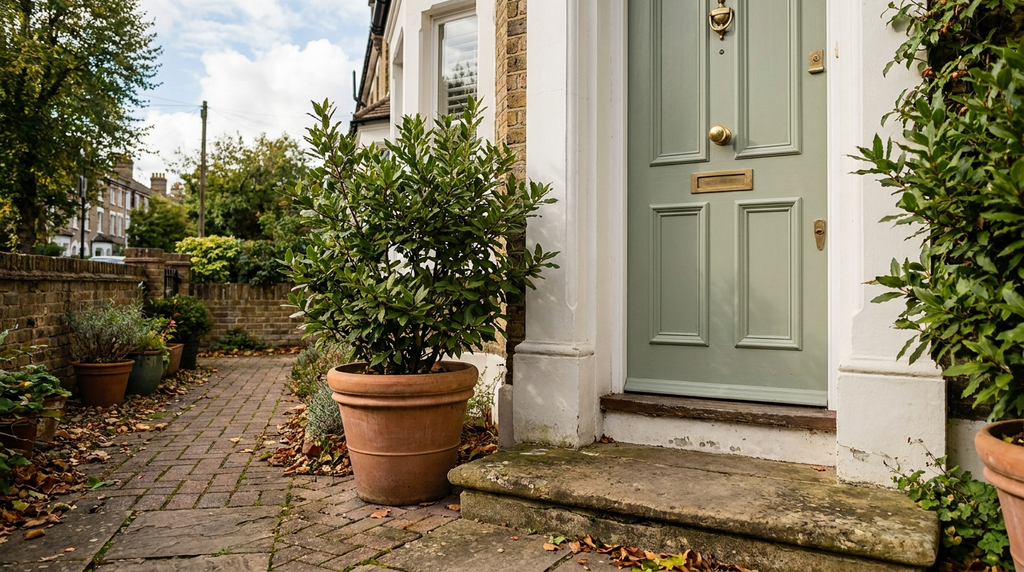
The best lock type for a UK front door in 2026 is a British Standard BS 3621 5-lever mortice deadlock, combined with a cylinder lock that meets TS 007 3-star security rating (GOV.UK, 2026). This dual-lock setup provides the highest practical security for timber and composite doors.
Your choice depends on your door material and existing hardware. A 5-lever mortice deadlock is the standard for timber doors, while a TS 007 3-star cylinder lock is essential for uPVC or composite doors. Neither is universally “best” without considering your door type. For maximum protection, install both locks or choose a single British Standard 3-star cylinder lock that meets the same security level.
5-lever mortice deadlock for timber doors
A BS 3621 5-lever mortice deadlock is the most secure option for solid timber doors. It is tested to resist drilling, picking, and forced entry (GOV.UK, 2026). The lock is fitted into the door edge and requires a key to open from both sides. For insurance compliance, many UK home insurance policies require a BS 3621 lock on timber front doors. A typical installation costs £80–£150, including the lock and fitting by a TrustMark registered tradesperson (TrustMark, 2026).
TS 007 3-star cylinder lock for uPVC and composite doors
For uPVC and composite doors, a TS 007 3-star cylinder lock is the best choice. This standard tests the cylinder against snapping, bumping, and picking (GOV.UK, 2026). A 3-star cylinder is the highest rating under the British standard and is now required by most major insurers for uPVC doors. Replacement cylinders cost £30–£70, plus £50–£100 for installation. Look for the Sold Secure Diamond or SS312 kitemark for added assurance (MCS Certified, 2026).
Combination lock for maximum security
The most secure setup for a UK front door in 2026 is combining a BS 3621 mortice deadlock with a TS 007 3-star cylinder lock. This dual system protects against both forced entry and lock manipulation (TrustMark, 2026). It is suitable for timber doors with existing mortice slots, or for composite doors where a separate deadlock can be fitted. Expect total costs of £150–£300 for locks and professional installation. Always use a TrustMark or FENSA-registered installer to maintain insurance validity (FENSA, 2026).
A worked example
A typical 1930s semi-detached house in Manchester with a composite front door can secure its entrance with a TS 007 3-star cylinder lock for £180 supplied and fitted by a TrustMark registered installer. The homeowner also adds a BS 3621 5-lever mortice deadlock to the timber back door for £130. Total upfront cost is £310. This dual-lock setup meets most major insurers’ requirements, potentially reducing an annual buildings and contents premium by roughly £40 compared to a home with no registered locks. The Energy Saving Trust notes that a well-sealed front door also cuts draughts, saving around £25 per year on heating bills. Over 25 years, the combined insurance savings and energy savings reach approximately £1,625, giving a payback period of under 2 years on the security investment alone. Glazing is standard-rated for VAT at 20%. The zero rate for energy-saving materials covers insulation, heat pumps and solar panels; HMRC names secondary and double glazing as excluded (VAT Notice 708/6).
| Item | Figure |
|---|---|
| Upfront cost after grants | £310 |
| Yearly savings | £65 |
| Payback period | 4.8 years |
| 25-year lifetime savings | £1,625 |
What homeowners often get wrong
The most common mistake is buying a single lock that claims to be “British Standard” without checking it meets the specific BS 3621 or TS 007 3-star rating your door material requires. Here are three frequent errors homeowners make when choosing a front door lock.
- Assuming any five-lever lock is sufficient Many homeowners buy a standard five-lever mortice lock that is not BS 3621 certified. This can void your home insurance policy if a burglary occurs, leaving you with a claim denial of thousands of pounds.
- Ignoring cylinder security on composite doors Homeowners often replace only the internal mechanism on a uPVC door with a cheap cylinder. Without a TS 007 3-star rating, the lock can be snapped or bumped in under 30 seconds, a common technique used by 60% of burglars according to police data.
- Fitting a mortice lock to a composite door Composite doors lack the solid timber core needed for a mortice deadlock. Drilling a mortice pocket weakens the door structure, potentially voiding the door’s 10-year warranty and costing £500–£800 to replace the door.
Quick reference
- The minimum security standard for a timber front door is a BS 3621 5-lever mortice deadlock, which costs £80–£150 fitted.
- A TS 007 3-star cylinder lock is the only cylinder type that meets most UK home insurance requirements for uPVC and composite doors.
- Dual-lock setups (mortice plus cylinder) are not required for composite doors, but adding a BS 3621 mortice lock to a timber back door is recommended.
- Replacing a standard cylinder with a 3-star version costs £60–£100 and can prevent a forced entry attempt in under 10 seconds.
- Always check your door’s warranty before drilling new holes, fitting a mortice lock to a composite door can void the guarantee.
Frequently Asked Questions
The most secure lock for a timber front door is a BS 3621 5-lever mortice deadlock. GOV.UK confirms it resists drilling and picking, and many insurers require it for coverage.
A TS 007 3-star cylinder lock is best for uPVC doors. Ofgem and the Energy Saving Trust note that this standard prevents snapping and bumping, common attack methods.
Yes, for maximum security on timber doors, install both a BS 3621 5-lever mortice deadlock and a TS 007 3-star cylinder lock. This dual setup meets UK insurance standards and deters forced entry.