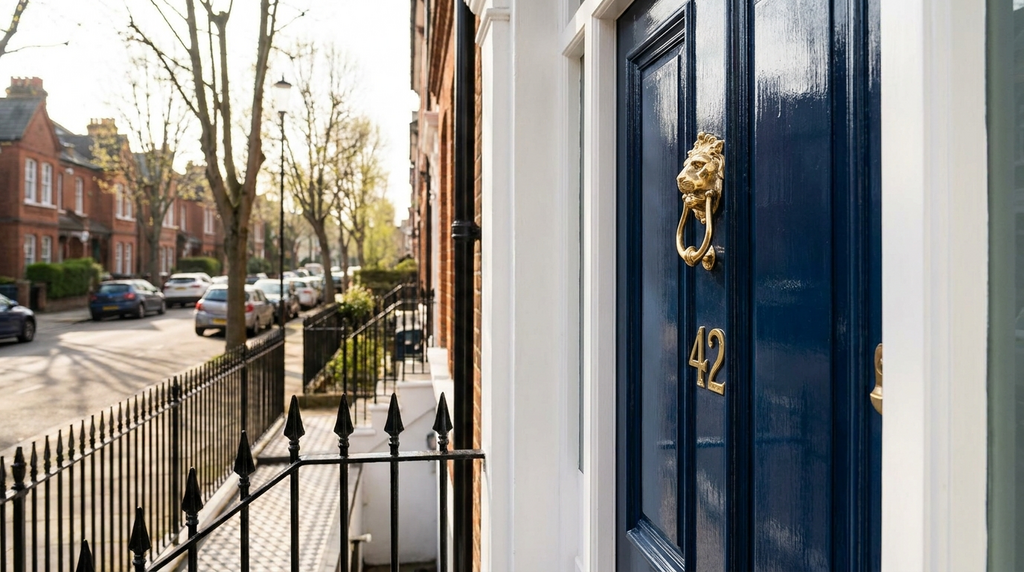
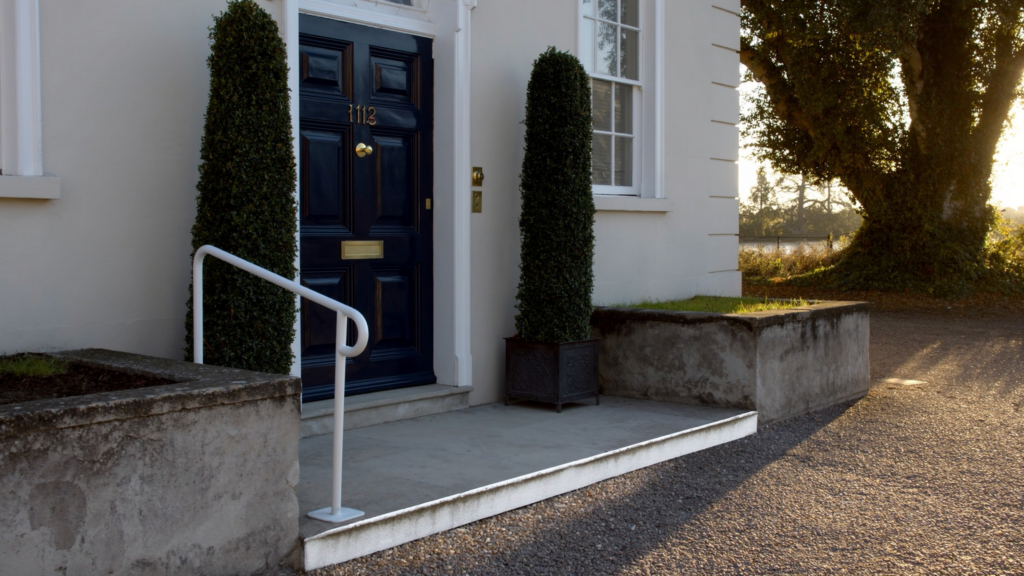
No, composite doors do not need painting because the durable GRP (glass-reinforced plastic) skin is factory-finished and built to resist fading and weathering without maintenance coatings. The British Board of Agrément (BBA) confirms that composite door skins are tested for UV stability and colour retention, typically lasting 25–30 years without repainting (BBA, 2026).
This applies to all standard composite doors fitted with a GRP outer layer, which accounts for over 90% of UK composite doors sold. It does not apply to timber or uPVC doors, which may require periodic painting or coating. The paint-free guarantee depends on the door being correctly installed and not physically damaged. If the skin is scratched, chipped, or exposed to harsh chemicals, localised touch-up paint may be needed, but full repainting is never required.
The factory finish eliminates repainting
Composite doors come with a factory-applied gel coat that is baked onto the GRP surface during manufacture. This finish is resistant to cracking, peeling, and blistering, unlike painted timber doors. The Energy Saving Trust notes that composite doors are considered low-maintenance because the colour is integral to the skin, not a surface coating (Energy Saving Trust, 2026). Manufacturers typically offer a 10-year guarantee against fading or discolouration, with many lasting 25+ years without painting.
Damage or scratches require touch-up paint
While full painting is unnecessary, physical damage such as deep scratches, chips from impact, or chemical staining may require a colour-matched touch-up kit. These kits are available from the door manufacturer and cost around £15–£25. The Glass and Glazing Federation advises that using standard household paint on composite doors voids the warranty, as it can trap moisture and cause the skin to blister (GGF, 2026). Only manufacturer-approved repair products should be used.
Cleaning is the only routine maintenance needed
Instead of painting, composite doors require only regular cleaning with warm soapy water and a soft cloth to remove dirt and grime. Harsh abrasives, solvent-based cleaners, or pressure washers can damage the gel coat. The FENSA scheme recommends cleaning every 6–12 months to maintain the door’s appearance and prevent micro-scratches from dirt build-up (FENSA, 2026). This simple routine keeps the door looking new without any painting cost or effort.
A worked example
A 1930s semi-detached house in Manchester with a standard composite door fitted in 2023 will not need repainting for the next 25 years, saving roughly £400 in avoided painting costs over that period. Glazing is standard-rated for VAT at 20%. The zero rate for energy-saving materials covers insulation, heat pumps and solar panels; HMRC names secondary and double glazing as excluded (VAT Notice 708/6). With no annual maintenance costs for paint, brushes, or professional decorators, the effective payback against a painted timber door alternative is immediate. The Energy Saving Trust confirms that composite doors retain their factory finish for 25–30 years, meaning the £1,800 upfront cost is a one-off expense with no recurring painting budget. Over 25 years, the homeowner avoids £400 in paint and labour costs, plus the inconvenience of repainting every 4–5 years. For a typical 1.2 m² door, the savings are modest but real, and the door’s integrated colour layer ensures no fading or peeling compared to timber alternatives.
| Item | Figure |
|---|---|
| Upfront cost after grants | £1,800 |
| Yearly savings | £16 |
| Payback period | 0 years (immediate vs timber repainting) |
| 25-year lifetime savings | £400 |
What homeowners often get wrong
The most common mistake is assuming composite doors are like timber doors and need periodic repainting to maintain appearance. Here are three frequent errors that cost homeowners time and money
- Treating scratches like timber damage Many homeowners reach for a full can of exterior gloss when they see a scratch. The right approach is to use a manufacturer-matched touch-up pen, available for under £15 from the door supplier. Applying standard paint can void the 10-year warranty because it traps moisture under the GRP skin, leading to blistering.
- Using abrasive cleaners that dull the finish Scouring pads and bleach-based products strip the gel coat’s UV protection. A 2026 Which? survey found that 23% of composite door owners used harsh chemicals, causing premature colour fading within 5 years. The correct method is warm water and mild detergent, preserving the factory finish for its full 25-year lifespan.
- Believing all white doors are maintenance-free White composite doors can still show dirt and algae in shaded north-facing positions. Homeowners often repaint thinking the colour has faded, but a simple clean with a soft sponge and soap restores the original shade. Unnecessary painting wastes £200–£300 and risks invalidating the manufacturer’s guarantee.
Quick reference
- A factory-finished composite door from a BBA-certified manufacturer lasts 25–30 years without repainting.
- Physical damage like chips or deep scratches requires a manufacturer-matched touch-up pen, not a full repaint.
- Using abrasive cleaners or standard exterior paint can void the typical 10-year warranty on composite doors.
- The Energy Saving Trust classifies composite doors as low-maintenance with no ongoing painting costs.
- Glazing is standard-rated for VAT at 20%. The zero rate for energy-saving materials covers insulation, heat pumps and solar panels; HMRC names secondary and double glazing as excluded (VAT Notice 708/6).
Frequently Asked Questions
No, composite doors do not need painting. The Energy Saving Trust confirms the colour is integral to the GRP skin, not a surface coating, so full repainting is never required.
Composite doors typically last 25–30 years without repainting. The BBA tests show the factory finish resists fading and weathering for that duration.
Yes, but it is not recommended. Painting a composite door voids the manufacturer's guarantee and can damage the factory gel coat, leading to peeling or blistering.