Why Birkenhead Homeowners Are Waking Up to Double Glazing Right Now
There’s something quietly significant happening on the terraced streets of Rock Ferry, Prenton, and Oxton. Birkenhead homeowners are replacing single-glazed windows at a faster rate than almost anywhere else in Merseyside, and it’s not hard to see why when you look at the numbers.
The average home here sits at EPC Band E. That’s a full band below the national average of Band D, which means most households in Birkenhead are spending considerably more on heating than they need to. With gas usage averaging 12,500 kWh per year (broadly typical for the UK), any meaningful upgrade to your building envelope, especially windows, makes a real difference to what lands on your energy bill each month.
There’s also the Mersey factor. Birkenhead sits right on the estuary, and while it’s not fully coastal in the traditional sense, the damp westerly winds rolling off the water are relentless through autumn and winter. Single-glazed windows, still common in the town’s substantial Victorian and Edwardian housing stock, offer almost no resistance to that kind of penetrating cold. Double glazing changes that conversation entirely.
The Great British Insulation Scheme closed on 31 March 2026. It funded insulation measures only and never covered windows or glazing.
What Double Glazing Actually Involves for a Typical Birkenhead Home
Most homes in Birkenhead are either terraced or semi-detached, built predominantly between 1880 and 1960. That’s actually a useful sweet spot for double glazing installation, old enough to have character worth preserving, modern enough that structural complications are relatively rare.
Victorian and Edwardian Terraces (Pre-1919)
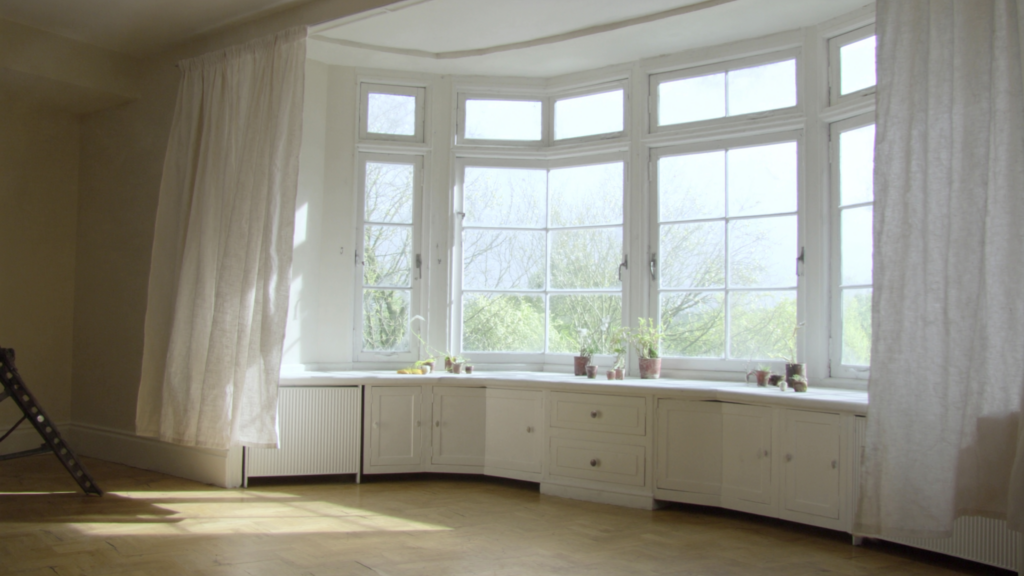
The older streets around Hamilton Square, Claughton, and parts of Birkenhead Park Conservation Area present specific challenges. Bay windows are common on these properties, and while they look beautiful, they require more complex frame fabrication and can push costs up by £200–£400 per window compared to standard casement replacements.
Original sash windows are also found throughout these streets. If you’re outside a conservation area, uPVC replacements are perfectly acceptable. Inside one, you’ll likely need timber or flush-sash alternatives to satisfy Wirral Council’s planning requirements (more on that below).
Inter-War and Post-War Semis
The semis across Prenton, Upton, and Woodchurch Road estates are generally more straightforward. Standard casement and tilt-and-turn windows fit most openings without drama. These properties often have cavity walls too, which means you get better overall insulation outcomes when double glazing works in combination with existing or newly installed wall insulation.
Practical Installation Realities
- Access and parking, Many terraced streets in Birkenhead have limited kerbside access. Installers need to price in time for handling materials along narrow paths or through properties, which can add a small labour premium
- Lintel condition, On pre-1919 properties, timber lintels above window openings sometimes need attention before new frames go in. Ask your installer to check this during survey
- Reveals and plasterwork, Replacing frames in older properties often disturbs internal reveals. Factor in a decorator’s visit after installation
- Lead times, Most North West installers are currently working to 4–8 week lead times from survey to fit
How Much Double Glazing Costs in Birkenhead and the North West Area in 2026
Let’s talk real numbers. Birkenhead sits in a comfortable middle ground for installation costs, cheaper than central London, slightly below the national average, and broadly in line with Liverpool and St Helens. Labour costs in this part of Merseyside are moderate, and you have genuinely good installer coverage from companies operating across the Birkenhead–Liverpool–Ormskirk corridor.
| Property Type | Number of Windows | Standard uPVC (A-rated) | Premium uPVC or Composite (A+ rated) | Timber Alternative |
|---|---|---|---|---|
| 2-bed mid-terrace | 6–8 | £2,800–£3,800 | £4,200–£5,500 | £5,500–£7,500 |
| 3-bed end-terrace | 8–10 | £3,500–£4,800 | £5,200–£6,800 | £6,800–£9,500 |
| 3-bed semi-detached | 9–12 | £4,200–£5,800 | £6,000–£8,000 | £7,500–£11,000 |
| 4-bed semi-detached | 12–16 | £5,500–£7,500 | £7,800–£10,500 | £10,000–£15,000 |
| Bay window surcharge | Per bay | +£250–£450 | +£350–£600 | +£500–£900 |
North West vs national comparison, The national average for a full window replacement on a 3-bed semi is approximately £5,500–£9,000. Birkenhead typically comes in at the lower end of that range. That makes it meaningfully cheaper than the South East while remaining on par with neighbouring towns like Formby and slightly below Liverpool city centre rates (where parking and access costs push prices up).
Always get three quotes. Prices in Birkenhead can vary by 20–30% between installers even for identical specifications, so following this advice is essential.
How Birkenhead’s Weather and Location Affect Your Double Glazing Choices
Birkenhead gets around 700–900mm of rainfall per year, firmly in the wetter half of England, influenced heavily by its position on the west coast and the Mersey estuary. Winters are damp and grey rather than bitterly cold, with temperatures rarely dropping below -5°C but sustained cold snaps dragging on for weeks.
That dampness matters more than you might think when choosing glazing. Here’s what it means in practice:
Condensation Management
The combination of relatively mild but persistently damp air and warm indoor temperatures creates ideal conditions for condensation, particularly on poorly performing frames. Warm edge spacer bars (rather than traditional aluminium spacers) dramatically reduce cold bridging around the edge of the glass unit, where condensation forms first. In Birkenhead’s climate, this is worth specifying rather than treating as an optional upgrade.
Frame Durability in Wet Conditions
The persistent moisture in the air here takes a toll on cheaper uPVC frames over time, particularly cheaper white uPVC, which can discolour and become brittle faster than premium-grade alternatives. Look for frames rated to BS 7412 and with a guaranteed minimum 10-year profile warranty.
Wind and the Mersey Effect
While Birkenhead isn’t fully exposed coastline, properties on elevated ground around Bidston, Noctorum, and the escarpment above the town centre do experience noticeably stronger and more persistent winds than the sheltered inner streets. For these homes, consider frames with multi-point locking systems and thicker sealed units (28mm rather than 24mm) for better acoustic and weather performance.
Solar Gain, Worth Thinking About
With only 1,000–1,200 sunshine hours per year, Birkenhead doesn’t have the solar potential of the South East. However, south-facing rooms still benefit from solar gain glass specifications in winter. Don’t over-specify solar control glass on north-facing elevations, you’ll block what little sun you do get.
The Products and Options That Actually Perform Well Here
Rather than listing every possible window type, here’s an honest expert view on what suits Birkenhead homes specifically.
For Victorian and Edwardian Terraces
Flush casement uPVC is the smart choice if you want period-appropriate looks without conservation area complications (and without timber’s maintenance demands). Look for profiles with a 70mm or 76mm outer frame depth and A+ energy rating. These fit neatly into original reveals and read as sympathetic to the architecture from the street.
For Sash Window Properties Outside Conservation Areas
Vertical sliding sash uPVC with a Georgian bar option gives you the visual character without the draughts that genuine timber sashes develop over time. Spring-balanced mechanisms have improved enormously, modern versions won’t leave you wrestling with the window open in summer.
For Inter-War and Post-War Semis
Standard uPVC casement or tilt-and-turn windows rated at minimum A+ are the practical choice. Tilt-and-turn is particularly useful in Birkenhead’s climate, easy to clean from inside (critical on upper floors of narrow-access terraces) and offering controllable ventilation without full exposure during rain.
Glass Specifications Worth Paying For
- Argon-filled units, Now standard rather than premium; insist on this as a minimum
- Low-E coating (soft coat), Spectrally selective coatings on the inner pane make a measurable difference in heat retention through Birkenhead’s long grey winters
- Warm edge spacer bars, Reduces edge condensation, especially relevant in damp Merseyside conditions
- 28mm sealed units, Better acoustic performance and marginally better thermal values than 24mm, worth it on busy roads near the town centre or the A41/A552 routes
How to Find a Trustworthy Double Glazing Installer Near Birkenhead
The good news is that installer coverage in Birkenhead and the wider Wirral peninsula is genuinely strong. Most established companies operate across the full Liverpool–Birkenhead–St Helens–Ormskirk triangle, so you’re not limited to the handful of purely local firms.
Certifications That Actually Matter
- FENSA registration, This is non-negotiable for replacement windows. A FENSA-registered installer self-certifies that your installation meets Building Regulations, saving you from having to notify Wirral Council separately and obtain a completion certificate
- TrustMark, Government-endorsed quality scheme. The Great British Insulation Scheme closed on 31 March 2026. It funded insulation measures only and never covered windows or glazing.
- Which? Trusted Trader, A useful additional indicator of customer service quality, though not a substitute for FENSA
Questions to Ask Before You Sign Anything
- Are you FENSA registered and will you provide a FENSA certificate on completion?
- What energy rating do these windows carry, can you show me the BFRC label?
- What is included in your guarantee, frames, glass units, and hardware separately?
- Do you carry public liability insurance of at least £2 million?
- Will you conduct a pre-installation survey at no obligation?
Red Flags to Walk Away From
- Same-day pressure to sign or price expiry within hours
- No physical address, just a mobile number and a van
- Inability to show recent local references within the Birkenhead or Wirral area
- Quotes with no itemised breakdown of products, labour, and disposal
Current lead times from survey to installation across North West installers are running at roughly 4–8 weeks. If someone promises to start next week, ask why they have that availability, it’s not always a red flag, but it’s worth understanding.
Grants and Funding That Could Reduce Your Costs in 2026
Here’s where Birkenhead’s below-average EPC rating actually works in your favour. Band E puts most households in the eligible bracket for multiple funding streams.
ECO4 (Energy Company Obligation 4)
ECO4 is still live in 2026 and funds energy efficiency upgrades, including glazing, for households on qualifying benefits or with low EPC ratings. If your home is Band E or below and you receive Universal Credit, Pension Credit, or similar means-tested benefits, you could receive fully-funded or heavily subsidised double glazing. Applications go through your energy supplier, but a TrustMark-registered installer can guide you through the process.
Great British Insulation Scheme (GBIS)
The Great British Insulation Scheme closed on 31 March 2026. It funded insulation measures only and never covered windows or glazing. Given Birkenhead’s average Band E rating, a significant proportion of local homeowners qualify. Funding typically covers a single primary measure, and glazing can count if it represents the most impactful upgrade available for the property.
Wirral Council Local Authority Flex (LA Flex)
Wirral Council administers LA Flex funding alongside ECO4, which gives them discretion to extend eligibility to households in fuel poverty or vulnerable circumstances even without means-tested benefit receipt. It’s worth contacting Wirral Council’s Housing and Energy team directly to ask whether your property qualifies, many homeowners don’t know this route exists.
Warm Homes – Local Grant
The Warm Homes Local Grant scheme, delivered through local authorities and combined authorities in 2026, targets low-income households in the worst-performing properties. The Liverpool City Region Combined Authority is an active participant in this programme, check their portal for current availability and eligibility thresholds.
Insider tip, Don’t assume you need to be on benefits to qualify for anything. The combination of Band E rating plus Birkenhead’s older housing stock means many working households are successfully accessing partial funding. Get an EPC assessment first if you don’t have a recent one, it costs around £70–£120 and is the gateway to most grants.
Planning Permission and Regulations in Birkenhead, What Wirral Council Actually Requires
For most Birkenhead homeowners, replacing existing windows with double glazing falls under permitted development rights. This means you don’t need to apply for planning permission, provided the replacement windows are of a similar appearance to the originals and the property isn’t in a designated area.
Conservation Areas, Read This Carefully
Birkenhead has several conservation areas where different rules apply. Hamilton Square, one of the finest Georgian squares outside London, is a particularly sensitive designation. The Birkenhead Park Conservation Area, parts of Oxton Village, and areas