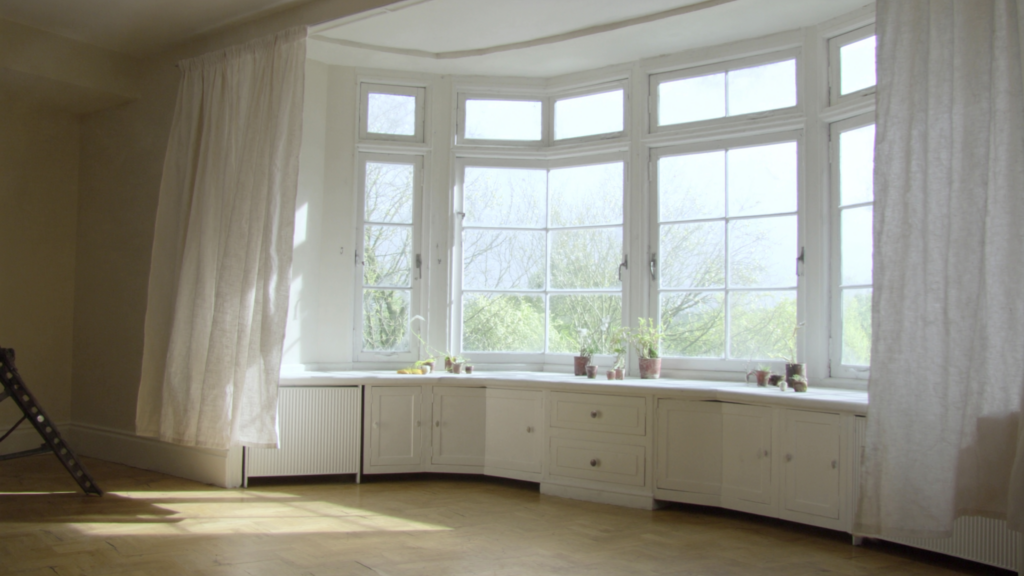
Why Chester Homeowners Are Looking at Double Glazing Right Now
Chester is quietly in the middle of a double glazing moment. With energy bills stubbornly high and the city’s older housing stock, think Victorian terraces around Hoole and Boughton, post-war semis out towards Blacon and Upton, still running largely on gas central heating, homeowners are waking up to just how much warmth is escaping through their windows every winter.
The city’s average EPC rating sits at Band D, which is squarely at the national average. That sounds fine until you realise it means most Chester homes still have meaningful room for improvement, and windows are often one of the quickest wins available. If you’re in a 1930s bay-fronted semi near Lache or a Victorian terrace in Handbridge, single-glazed or tired old double-glazed units are likely costing you more than you realise.
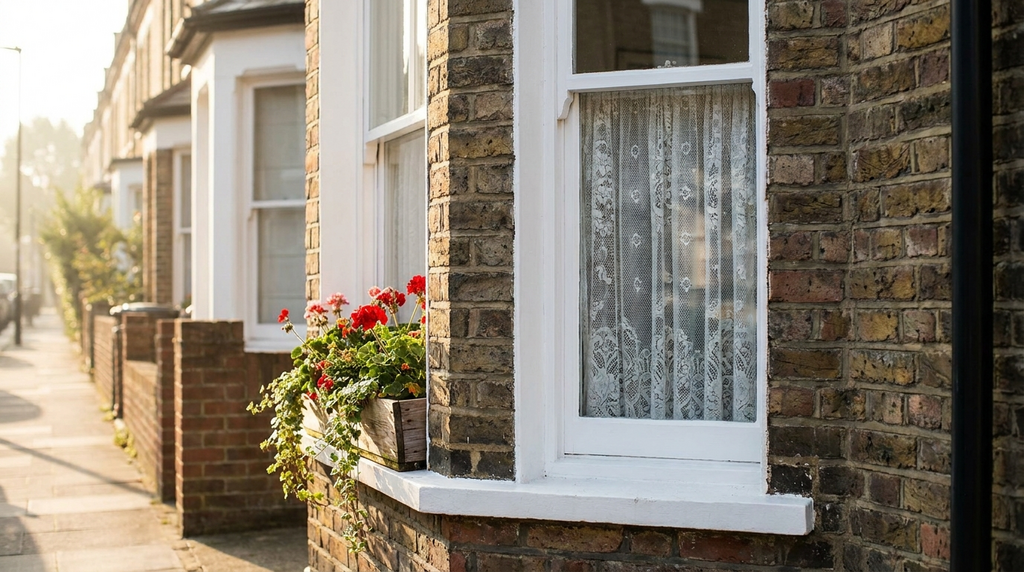
There’s also the conservation factor. Chester is one of the most historically protected cities in England, with a significant chunk of properties sitting inside conservation areas or listed building designations. That’s created a specific local demand for slimline and heritage-style double glazing that actually looks right on period properties, and a whole sub-market of installers who specialise in exactly that.
Add in the fact that installers from nearby towns like Frodsham and Wrexham regularly cover Chester, keeping competition (and prices) healthy, and you’ve got a solid moment to act.
What Double Glazing Actually Involves for a Typical Chester Home
For most Chester homeowners, double glazing means replacing existing window frames entirely, glass unit, frame, and all, rather than just swapping the glass panes. This is the standard approach and gives you the biggest thermal and acoustic improvement.
Chester’s housing stock is dominated by two key eras. The Victorian and Edwardian terraces around Hoole, Newton, and the city centre tend to have larger, ornate sash or casement windows with deep reveals. These need careful measurement and sometimes bespoke sizing, which adds cost and lead time. The post-war semis and terraces across Blacon, Lache, and Saltney are generally simpler, standard casement windows in more modern frames, and are usually more straightforward to replace.
Practical considerations for Chester properties
- Bay windows are common in 1930s and 1950s semis across Upton and Garden Quarter. These require sectional frames and can add £300–£600 to the cost compared to flat frontages
- Narrow terraced streets in areas like Boughton and Hoole mean access for delivery vehicles can be tight, installers sometimes need to bring frames in on foot, adding labour time
- Conservation area properties (more on this below) face restrictions on frame colour and style, which usually means timber or timber-effect uPVC rather than white uPVC
- Older masonry in Victorian properties can be uneven around window openings, requiring more preparation work and sometimes new lintels
- First-floor access on detached or semi-detached homes may need ladders or a small scaffold tower, most installers include this, but confirm before signing
The good news is that Chester is well within the service radius of a large number of North West installers. You’re genuinely spoiled for choice compared to more rural parts of Cheshire, which keeps standards up and quotes competitive.
How Much Double Glazing Costs in Chester and the North West Area in 2026
Prices in Chester sit roughly in line with the North West average, slightly below what you’d pay in central Manchester or Liverpool, but broadly similar to Frodsham, Winsford, or Wrexham. Labour costs in the region are moderate compared to the South East, which is genuinely good news for Chester homeowners.
Here’s a realistic pricing breakdown for 2026 based on typical Chester property types:
| Property Type | Number of Windows | Standard uPVC | Premium uPVC or Composite | Timber or Timber-Effect |
|---|---|---|---|---|
| Mid-terrace (Hoole/Boughton style) | 5–7 | £3,200–£4,800 | £4,800–£6,500 | £6,500–£9,000 |
| End-terrace (Blacon/Lache) | 7–9 | £4,000–£5,800 | £5,800–£7,800 | £7,500–£10,500 |
| Semi-detached (Upton/Garden Quarter) | 8–11 | £4,800–£7,000 | £7,000–£10,000 | £9,000–£14,000 |
| Bay window add-on (per bay) | – | +£350–£500 | +£500–£700 | +£700–£1,100 |
| Single window replacement (casement) | 1 | £450–£650 | £650–£900 | £850–£1,400 |
These figures include supply, fitting, and waste removal. They assume standard ground and first-floor access without specialist scaffolding. Add £200–£400 for jobs where scaffold tower hire is needed on the upper floors of a detached or larger semi.
Compared to the national average, Chester homeowners typically pay around 5–10% less than the UK median, largely because North West labour rates are moderate and there’s strong installer competition across the Chester, Frodsham, and Wrexham corridor.
How Chester’s Weather and Location Affect Your Double Glazing Choices
Chester sits in a genuinely interesting climatic position. You’re close enough to the North West’s wet weather systems, think Manchester’s 870mm annual rainfall and the prevailing south-westerlies rolling in off the Irish Sea, but sheltered enough by the Welsh Hills to the west and the Pennines further east that you don’t get the brutal exposure that coastal towns like Rhyl or Birkenhead experience.
The practical upshot is that Chester gets moderate rainfall (typically 750–850mm per year), mild but damp winters, and around 1,100–1,200 sunshine hours annually. Your heating degree days fall in the 1,500–1,700 range, meaning winters are real but not extreme. This shapes your double glazing choices in a few specific ways.
What Chester’s climate means in practice
- Thermal performance matters more than solar gain, unlike sunnier parts of the UK, Chester doesn’t get enough winter sun to meaningfully benefit from high solar-gain glass on south-facing windows. Prioritise low U-values over solar heat gain coefficient (SHGC)
- Draught sealing is critical, the damp westerly winds that track across the Cheshire Plain and into Chester make air infiltration around frames a real issue. Ask specifically about the quality of weatherstripping and frame-to-wall sealing on any quote you receive
- Acoustic performance is worth considering, if you’re near the A55, the ring road, or the railway line through Chester station, acoustic double glazing (wider air gap or laminated inner pane) makes a real quality-of-life difference
- Condensation resistance, Chester’s damp air means cheaper units with poor edge-seal quality can develop inter-pane condensation within a few years. Stick with units using warm-edge spacer bars, not basic aluminium spacers
- Frame durability in wet conditions, uPVC performs very well in Chester’s climate. Timber frames need reliable maintenance in this kind of damp environment, so budget for painting every 5–7 years if you go that route
The Products and Options That Work Best Here
Given Chester’s climate and housing stock, here’s an honest opinion on what actually makes sense, not what’s cheapest, and not what sounds impressive in a brochure.
For Victorian and Edwardian terraces (Hoole, Handbridge, Boughton)
A slim-sightline casement or sliding sash in a timber-effect foiled uPVC is your best balance of heritage appearance and thermal performance. Look for frames with an A-rated energy window rating, a U-value of 1.2 W/m²K or better, and warm-edge spacer bars throughout. If you’re in a conservation area, you may need to match the original sash format exactly, some installers now offer vacuum glazing units that are thin enough for deep sash rebates.
For post-war semis and terraces (Blacon, Lache, Saltney, Upton)
Standard white uPVC casements with argon-filled double glazing are perfectly appropriate here and offer excellent value. Aim for a centre-pane U-value of 1.0–1.1 W/m²K and a whole-window U-value of 1.4 W/m²K or better. Triple glazing is available and worth considering on north-facing elevations, though the payback period is longer in Chester’s moderate climate than it would be in Scotland.
Frame material summary
- White uPVC, best value, low maintenance, suits post-war housing, lifespan 25–35 years
- Coloured or foiled uPVC, anthracite grey and Chartwell green are popular in Chester right now, adds £100–£200 per window, suits modern extensions and some Victorian properties
- Composite (aluminium-clad timber), excellent for conservation area properties, high thermal performance, but significantly more expensive and needs some maintenance on the timber interior
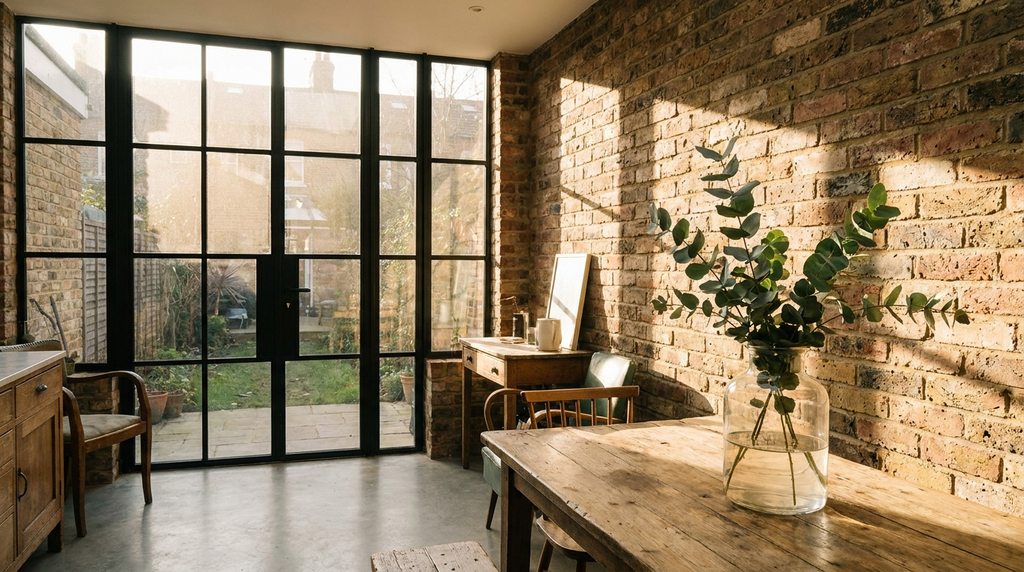
- Aluminium, great for contemporary extensions, but standard aluminium has poor thermal performance, always specify thermally broken aluminium frames
Glazing specifications to request
- Low-E (low emissivity) glass coating, non-negotiable for thermal performance
- Argon or krypton gas fill between panes, argon is standard, krypton is better but costs more
- Warm-edge spacer bars (Super Spacer, Thermbar, or equivalent), reduces cold-edge condensation
- A-rated window energy rating as a minimum (look for the BFRC rating label)
How to Find a Trustworthy Double Glazing Installer Near Chester
Chester has a decent spread of installers operating locally, and you’ll also attract quotes from companies based in Wrexham (17km away), Frodsham (16km), Winsford (25km), and Birkenhead (24km). This range of competition is genuinely useful, get at least three quotes and don’t be surprised if they vary by 20–30%.
Certifications that matter
- FENSA registration, this is the key one for double glazing. FENSA-registered installers self-certify that work meets Building Regulations, saving you the cost of a council inspection. Always check your installer is FENSA registered before signing anything
- CERTASS, an alternative to FENSA, equally valid and recognised by Chester West and Chester Council
- TrustMark, a government-endorsed quality scheme; membership is a good additional indicator of trustworthiness
- Which? Trusted Traders, worth checking, particularly for smaller local firms without a big online presence
Questions to ask before you commit
- Are you FENSA or CERTASS registered and will you provide a compliance certificate on completion
- What U-value and energy rating will the finished windows achieve
- What warranty do you offer on frames and glass units separately
- Who actually carries out the installation, your own employees or subcontractors
- Can you provide references from jobs in Chester or the local area in the last 12 months
Red flags to watch for
- Pressure to sign on the day or lose a special price
- No physical address or vague about where the company is based
- Cash-only payment or asking for more than 25% upfront
- Unable to produce evidence of FENSA registration when asked
Lead times across the North West are currently running at 4–8 weeks for standard orders, so if you’re hoping to have work done before the colder months, plan ahead and get quotes in late summer.
Grants and Funding That Could Reduce Your Costs in 2026
This is an area where Chester homeowners genuinely have options, though it’s worth being realistic about who qualifies for what.
ECO4 (Energy Company Obligation)
ECO4 is the main national scheme funding insulation and energy efficiency upgrades for lower-income households. Double glazing is eligible under ECO4 if it’s part of a wider package of improvements on a property that currently has poor energy performance. To qualify, your household typically needs to receive means-tested benefits (Universal Credit, Pension Credit, or similar) or be referred by Chester West and Chester Council under the flex mechanism.
If you qualify, double glazing could be heavily subsidised or even free as part of a whole-home retrofit. Contact Cheshire West and Chester Council’s energy efficiency team to ask about local flex referrals, this is one route that many eligible Chester homeowners don’t know about.
Great British Insulation Scheme (GBIS)
The Great British Insulation Scheme closed on 31 March 2026. It funded insulation measures only and never covered windows or glazing. The Great British Insulation Scheme closed on 31 March 2026. It funded insulation measures only and never covered windows or glazing.
Warm Homes Plan (expected rollout through 2026)
The government’s Warm Homes Plan is expanding support for energy efficiency upgrades. Keep an eye on updates from Cheshire West and Chester Council, as a Band D average EPC area, Chester properties sit in the sweet spot that many schemes are targeting, and new window funding within the Warm Homes framework is expected to become more accessible through the year.
Council tax reduction and funding
Cheshire West and Chester Council periodically runs Affordable Warmth schemes that can provide grants or subsidised loans for energy improvements including glazing. These tend to be targeted at households in fuel poverty or over-65 owner-occupiers. Worth a direct call to the council’s housing energy team to see what’s currently available.
VAT on energy-saving materials
Glazing is standard-rated for VAT at 20%. The zero rate for energy-saving materials covers insulation, heat pumps and solar panels; HMRC names secondary and double glazing as excluded (VAT Notice 708/6). If a quote includes