Why Nantwich Homeowners Are Taking Double Glazing Seriously Right Now
If you’ve lived in Nantwich for any length of time, you’ll know that this town takes its homes seriously. The mix of Georgian townhouses near the historic centre, post-war semis spreading out towards Stapeley and Willaston, and newer detached builds around the Weaver Valley all have one thing in common in 2026, most of them are sitting at an EPC Band D rating, and energy bills are still biting hard.
With the average Nantwich household burning through 11,500 kWh of gas each year, heating is where your money goes. Single-glazed or ageing double-glazed windows are one of the most significant sources of heat loss in older properties, and Nantwich has plenty of those. The town’s mix of Victorian and Edwardian architecture around the market square and Beam Street, plus the large stock of 1950s to 1980s semis further out, means there’s a huge number of homes that could benefit enormously from upgrading.
There’s also something else happening locally. Cheshire East Council, the authority responsible for Nantwich, has been pushing harder on residential energy efficiency as part of its net-zero commitments. The Great British Insulation Scheme closed on 31 March 2026. It funded insulation measures only and never covered windows or glazing.
What Double Glazing Actually Involves for a Typical Nantwich Home
Let’s be practical about what installation actually means for the type of house you’re likely to own here. The most common property types in Nantwich are semi-detached and detached homes, with a significant number of those being 1930s to 1970s builds that originally came fitted with single glazing or early uPVC units that are now well past their best.
A standard semi-detached in an area like Stapeley or Churchfields typically has eight to twelve window openings plus a front door. Replacing all of these in one go is the most cost-effective approach, installers price the job more favourably when they’re doing the whole house, and you won’t be left with mismatched frames or a patchwork appearance.
Older Homes and the Complications They Bring
If your home was built before the 1970s, there are a few things to be aware of before you book anyone in. Original timber frames in pre-war properties can be rotten beneath the paintwork, and the opening sizes often don’t conform to modern standard dimensions. This means bespoke frames rather than off-the-shelf units, which pushes costs up by 15 to 25 percent.
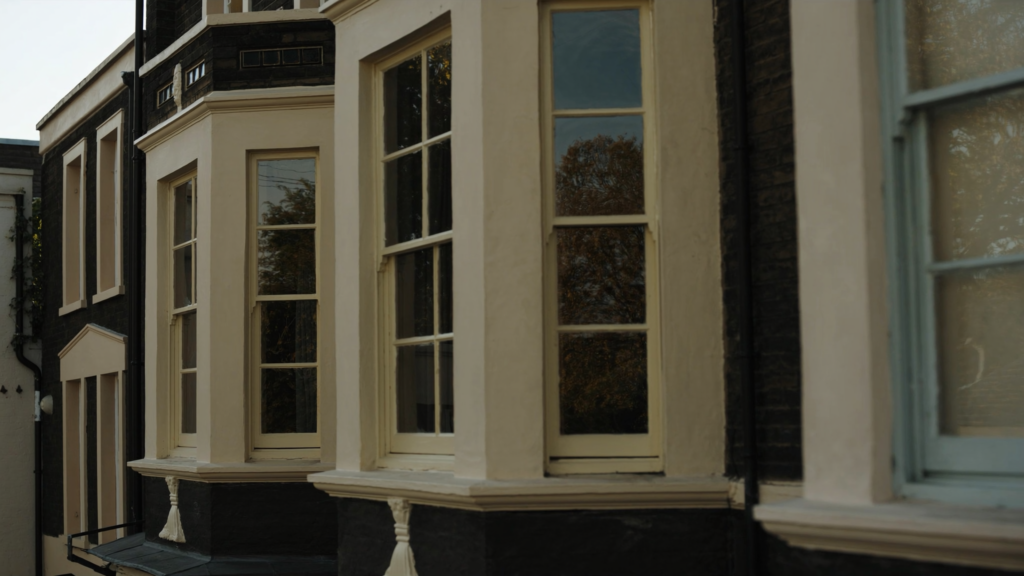
Properties closer to the town centre, particularly anything near Welsh Row or the Conservation Area, may also have bay windows, stained glass details, or sash configurations that need careful like-for-like replacement rather than a straight swap to standard casement windows. These situations take longer to survey, longer to manufacture, and longer to install.
What Makes Nantwich Easier Than Some Nearby Towns
On the plus side, most Nantwich residential streets have reasonable access and off-road parking, which keeps scaffolding and access costs lower than, say, working on a terrace in Crewe town centre or a densely packed Victorian street in Middlewich. Detached properties especially tend to have side access and driveways, which speeds up the job significantly.
How Much Double Glazing Costs in Nantwich and the Surrounding Area in 2026
Let’s talk real numbers. Installer pricing in Nantwich typically sits slightly below the national average but is broadly comparable to quotes you’d get in Crewe, Sandbach, or Winsford, the cluster of towns that most North West installers cover together as part of a single service area. You won’t pay a premium for being a smaller town, but you also won’t get the same volume discounts available in Crewe or larger Cheshire cities.
| Property Type | Scope of Work | Estimated Cost (Nantwich, 2026) | North West Average |
|---|---|---|---|
| Semi-detached (3 bed) | Full house, 8 windows, 1 door | £4,800, £7,200 | £5,000, £7,500 |
| Detached (4 bed) | Full house, 12 windows, 2 doors | £7,500, £11,500 | £7,800, £12,000 |
| Semi-detached (3 bed) | Front elevation only, 4 windows | £2,200, £3,400 | £2,300, £3,600 |
| Detached (4 bed) | Partial, 6 windows | £3,400, £5,200 | £3,500, £5,500 |
| Any type, conservation area | Timber sash replacement or heritage uPVC | £900, £1,600 per window | £950, £1,700 per window |
| Any type, standard casement | Single window replacement | £380, £680 per window | £400, £700 per window |
Insider tip, always get three quotes, but be wary of any quote that comes in more than 30 percent below the others. In the Nantwich area, that usually signals either cheap imported frames with poor energy ratings or a company that will find extras to charge you for once the job starts.
What Drives Costs Up Locally
- Conservation area requirements for heritage-style frames or timber units
- Non-standard window sizes in pre-1945 properties requiring bespoke manufacturing
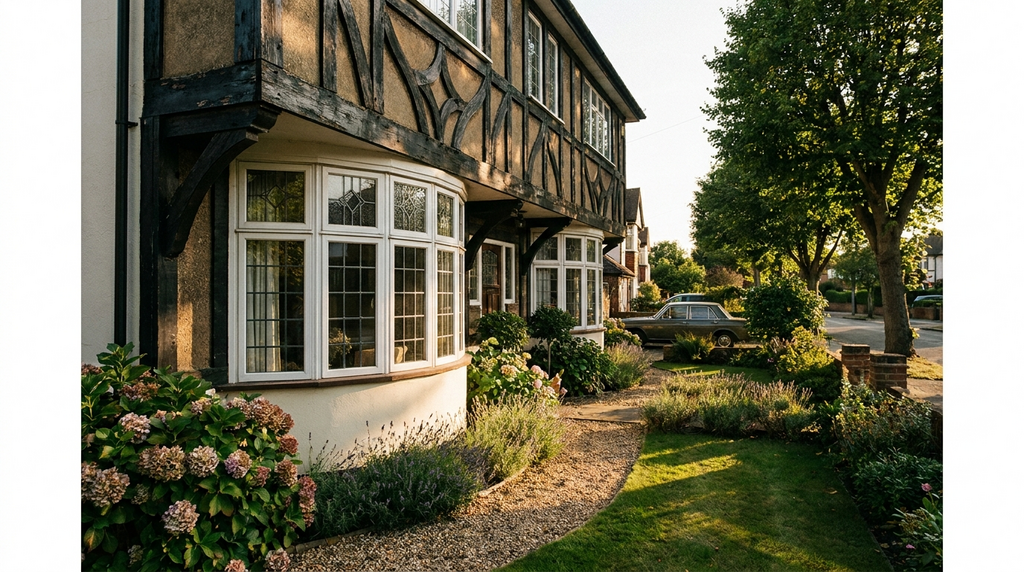
- Bay window configurations (common in 1930s detacheds around the Millfields area)
- Scaffolding for first-floor rear windows with no safe ladder access
- Disposal of old frames, some installers quote this separately
How Nantwich’s Weather and Location Shape the Choices You Should Make
Nantwich sits in a part of Cheshire that experiences what you’d call a genuinely moderate climate, not as rain-lashed as the western Pennines or the fringes of the Lake District, but far from dry either. The town sees around 800mm of rainfall annually, with wet south-westerly winds fairly persistent through autumn and winter. That moisture matters more than most homeowners realise for window performance.
Older double-glazed units with poor edge seals fail faster in consistently damp conditions. If you’ve noticed misting or condensation between the panes on your existing windows, Nantwich’s climate is accelerating that seal failure. Replacing them with modern units that use quality edge spacer bars, warm-edge spacers specifically, will dramatically extend the lifespan of your new windows in these conditions.
Winter Heating Demand in Context
With 1,500 to 1,800 heating degree days annually, Nantwich winters are meaningful but not extreme. You’re not heating as intensively as homes in the Pennine foothills near Oldham or Rochdale, but you’re certainly not in a mild coastal zone either. This puts you firmly in the range where double glazing pays back well, you need enough heat in the home for the reduced heat loss to translate into real savings, and Nantwich delivers on that front.
Wind Exposure and Frame Choice
The town’s relatively sheltered inland position means wind-driven rain isn’t the severe problem it would be on the Wirral coast or in exposed Cumbrian villages. Even so, properties on the western and south-western edges of town, including newer estates backing onto open fields, do catch more wind than homes closer to the town centre. For these properties, it’s worth asking your installer specifically about weatherstrip quality and the BS 6375 weather resistance rating of any frames they’re quoting.
The Products and Options That Actually Perform Well in Nantwich
Based on Nantwich’s housing stock and climate, here’s what genuinely makes sense rather than what looks impressive in a showroom brochure.
Frame Material, uPVC vs Aluminium vs Timber
For the majority of Nantwich semis and standard detached homes, uPVC with a multi-chamber profile remains the right choice. It handles the town’s moderate rainfall and temperature swings well, requires minimal maintenance, and delivers consistently good U-values. Go for a five-chamber profile rather than a three-chamber one if you’re comparing quotes, the difference in performance is meaningful.
Aluminium frames are worth considering if you have large picture windows or bifold doors, they’re stronger for wide spans, but their thermal performance is only competitive when you choose thermally broken aluminium, which costs more. For standard windows in a 1960s Nantwich semi, it’s rarely worth the premium.
Timber is the right choice for properties within the Nantwich Conservation Area, particularly the historic streets around St Mary’s Church and Welsh Row. Modern engineered timber performs well in damp conditions, but it does need repainting every eight to ten years, which is a maintenance commitment that aluminium and uPVC don’t share.
Glazing Specifications Worth Asking For
- U-value of 1.2 W/m²K or below, this is the current building regulations requirement for replacement windows, and any reputable installer should be meeting it as standard
- Argon or krypton gas fill, argon is standard and perfectly adequate for Nantwich conditions; krypton offers marginally better performance but is rarely worth the extra cost here
- Warm-edge spacer bars, particularly important given the town’s rainfall; Swisspacer or Thermix brands are well-regarded
- Low-E coating (soft coat), essential for keeping heat inside during Nantwich winters; check the energy rating is at least Window Energy Rating Band B, ideally Band A
- Triple glazing, worth considering for north-facing elevations or rooms above unheated garages, but not always necessary across the whole house in a climate this moderate
How to Find a Trustworthy Installer Near Nantwich
Here’s the honest reality about installer coverage in a town of 18,000 people, Nantwich doesn’t have a huge pool of glazing companies based within the town itself. Most installers serving local homeowners are based in Crewe (7km away), Sandbach (14km), or Middlewich (15km), and they cover Nantwich as part of their regular patch. That’s absolutely fine, these companies know the local housing stock and do plenty of work in the area, but it does mean you should always confirm the company’s specific experience with Cheshire properties before committing.
Certifications That Actually Matter
- FENSA registration, this is non-negotiable for replacement windows in England. A FENSA-registered installer self-certifies compliance with building regulations and issues you a certificate that you’ll need when you sell your home
- CERTASS, an alternative to FENSA, equally valid and widely used by smaller independent installers
- TrustMark accreditation, government-endorsed quality scheme; useful additional assurance
- Which? Trusted Trader, not essential, but indicates the company has passed independent checks
Questions to Ask Before You Sign Anything
- Are you FENSA or CERTASS registered, and will you handle the building regulations notification
- What U-value are these frames and glass units rated at
- Where are the frames manufactured, and what’s the lead time from order to installation
- What’s included in the guarantee, frames, glass units, and hardware separately
- Do you carry public liability insurance, and can I see the certificate
Red Flags to Watch For
Be cautious of any company that pressures you to sign on the same day as the survey, won’t provide a written itemised quote, or can’t tell you the specific U-value or energy rating of the products they’re fitting. Doorstep sales for double glazing still happen in areas like this, and the pricing is almost always inflated compared to getting independent quotes from FENSA-registered companies.
Lead times from Crewe and Sandbach-based installers are typically four to eight weeks from survey to installation in 2026, though bespoke or heritage orders can take twelve weeks or more.
Grants and Funding That Could Cut Your Costs in 2026
The funding landscape for double glazing in 2026 is more nuanced than headlines sometimes suggest. Windows on their own are rarely funded in isolation, but as part of a broader energy efficiency improvement package, there are real opportunities for Nantwich homeowners.
ECO4 (Energy Company Obligation, Phase 4)
ECO4 is the main government-backed scheme delivered through energy suppliers, targeting households with low incomes or those living in low-energy-rated properties. If your home is EPC Band D or below, which covers most of Nantwich, and you receive qualifying benefits (including Universal Credit, Pension Credit, or Child Tax Credit), you may be eligible for fully or heavily subsidised upgrades including window replacement as part of a whole-house package.
Contact Cheshire East Council’s energy advice team or apply directly through your energy supplier to start an assessment. The scheme is demand-led, so it’s worth applying sooner rather than later.
Great British Insulation Scheme (GBIS)
The Great British Insulation Scheme closed on 31 March 2026. It funded insulation measures only and never covered windows or glazing. The scheme primarily covers insulation measures, but window upgrades can be included where they’re identified as part of a whole-property assessment. Funding amounts vary depending on the measure and your income, but eligible households can receive contributions of £1,500 to £4,000 toward qualifying work.
Cheshire East Council Local Support
Cheshire East Council runs its own Warmer Homes programme for vulnerable or lower-income residents, offering referral routes into funded energy efficiency measures. While the council doesn’t directly fund window installations, it coordinates with ECO4 delivery partners and can connect you with approved local installers. It’s worth calling the council’s housing team directly if you’re unsure whether you qualify for anything nationally.
No Grant Available, What Then
If you don’t qualify for any funded scheme, some installers in the Crewe and Sandbach area offer finance packages at 0 percent for 12 to 24 months. This can make a full-house replacement manageable without a large upfront sum. Just make sure the total cost hasn’t been inflated to compensate for the finance offer, compare it directly against a cash quote before agreeing.