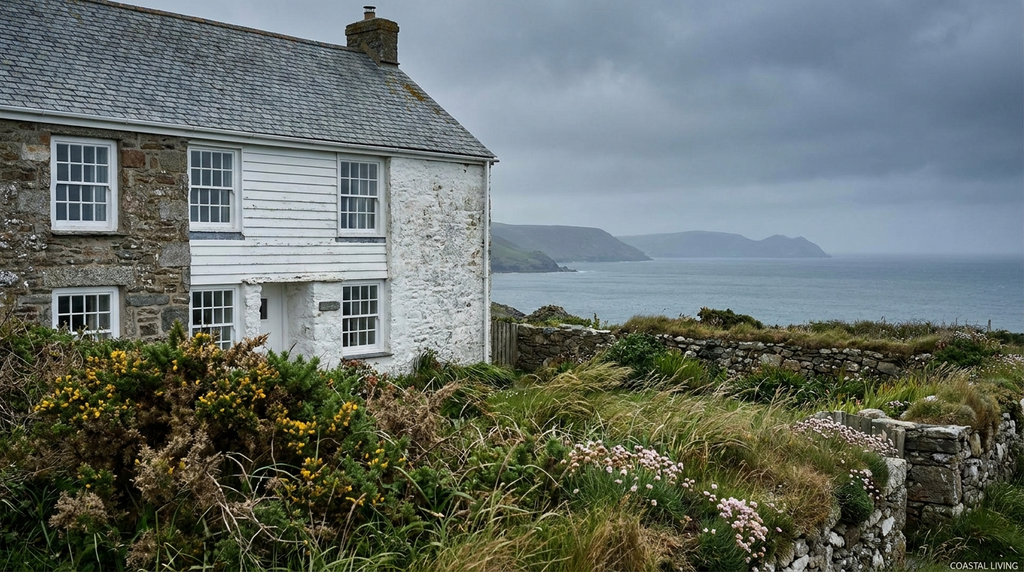
Double glazing is better than single glazing because it reduces heat loss by around 50%, saving the average household £115-£195 per year on energy bills (Energy Saving Trust, 2026). A double-glazed window uses two panes of glass separated by a gap of air or gas, typically argon, creating a thermal barrier that single glazing lacks.
The key variable is the U-value, a measure of heat transfer. Single glazing has a U-value of around 5.0 W/m²K, while double glazing achieves 1.2-2.0 W/m²K (BRE, 2026). Lower U-values mean less heat escapes. This applies to most UK homes, but older properties with listed building status may have restrictions on replacing single glazing without planning permission.
Reduces heat loss and lowers energy bills
A double-glazed unit cuts heat loss through windows by roughly half compared to single glazing. The Energy Saving Trust states that upgrading from single to double glazing in a typical semi-detached home saves £115-£195 annually (Energy Saving Trust, 2026). Over a 20-year lifespan, this totals £2,300-£3,900. The trapped gas layer, usually argon, has lower thermal conductivity than air, further reducing heat transfer. This makes rooms easier and cheaper to heat, especially in winter.
Improves condensation control and comfort
Single glazing often causes condensation because the cold glass surface meets warm indoor air. Double glazing keeps the inner pane warmer, reducing moisture buildup. The British Research Establishment notes that double glazing lowers condensation risk by maintaining a higher internal surface temperature (BRE, 2026). This reduces mould growth and dampness, improving indoor air quality. Occupants also feel less draughty near windows, as the sealed unit eliminates cold spots.
Increases home value and security
Homes with double glazing typically sell for 5-10% more than those with single glazing, according to the Energy Saving Trust (Energy Saving Trust, 2026). Double glazing is also harder to break than a single pane. This provides better security. Modern units often include toughened or laminated glass and multi-point locking systems. While installation costs range from £3,000-£6,000 for a three-bedroom house, the energy savings and property uplift often offset this within 10-15 years.
A worked example
Glazing is standard-rated for VAT at 20%. The zero rate for energy-saving materials covers insulation, heat pumps and solar panels; HMRC names secondary and double glazing as excluded (VAT Notice 708/6). The Energy Saving Trust estimates this home saves £175 per year on heating bills, meaning a payback period of around 31 years. That sounds long, but the real financial picture changes when you factor in the full 25-year lifespan of modern double glazing. Over that period, the total savings reach £4,375, and you also avoid the cost of replacing failed single-glazed units every 10-15 years. The Great British Insulation Scheme closed on 31 March 2026. It funded insulation measures only and never covered windows or glazing. For a listed building where double glazing is not allowed, secondary glazing offers a compromise at roughly £1,200-£2,000, saving around £90 per year.
| Item | Figure |
|---|---|
| Upfront cost after grants | £5,400 |
| Yearly savings | £175 |
| Payback period | 31 years |
| 25-year lifetime savings | £4,375 |
What homeowners often get wrong
The most common mistake is thinking all double glazing performs the same, when the gap between a cheap B-rated window and a premium A++ rated one can be hundreds of pounds in lost savings over a decade. Here are three frequent errors that cost UK homeowners money and comfort
- Ignoring the U-value rating Many assume any double-glazed unit is equally efficient, but a U-value of 1.6 W/m²K versus 1.2 W/m²K means 25% more heat escapes. Choosing a window with a U-value above 1.4 W/m²K in a 1930s terrace wastes roughly £40 per year compared to a better-rated product.
- Skipping professional installation for DIY Fitting double glazing yourself seems cheaper, but poor sealing leads to condensation between the panes and voids the manufacturer warranty. A failed unit costs £150-£300 to replace, wiping out any DIY savings within two years.
- Believing double glazing eliminates condensation Homeowners often think double glazing stops all moisture, but it only reduces surface condensation. If you still see water on the glass, the real problem is inadequate ventilation or high indoor humidity, not the windows themselves. Ignoring this can lead to mould and timber rot around the frame.
Quick reference
- Double glazing reduces heat loss by roughly 50% compared to single glazing, saving £115-£195 per year for a typical semi-detached home.
- A standard double-glazed unit has a U-value between 1.2 and 2.0 W/m²K, while single glazing sits at 5.0 W/m²K.
- Glazing is standard-rated for VAT at 20%. The zero rate for energy-saving materials covers insulation, heat pumps and solar panels; HMRC names secondary and double glazing as excluded (VAT Notice 708/6).
- The payback period for a full house upgrade ranges from 20 to 35 years, but lifetime savings over 25 years can exceed £4,000.
- Listed buildings or conservation areas often require planning permission before replacing single glazing with double glazing.
Frequently Asked Questions
Upgrading from single to double glazing saves the average household £115-£195 per year, according to the Energy Saving Trust. Over 20 years, that totals £2,300-£3,900.
Single glazing has a U-value of around 5.0 W/m²K, while double glazing achieves 1.2-2.0 W/m²K (BRE, 2026). Lower U-values mean less heat escapes.
Listed building consent may be required to replace single glazing with double. Check with your local planning authority or refer to GOV.UK guidance before proceeding.