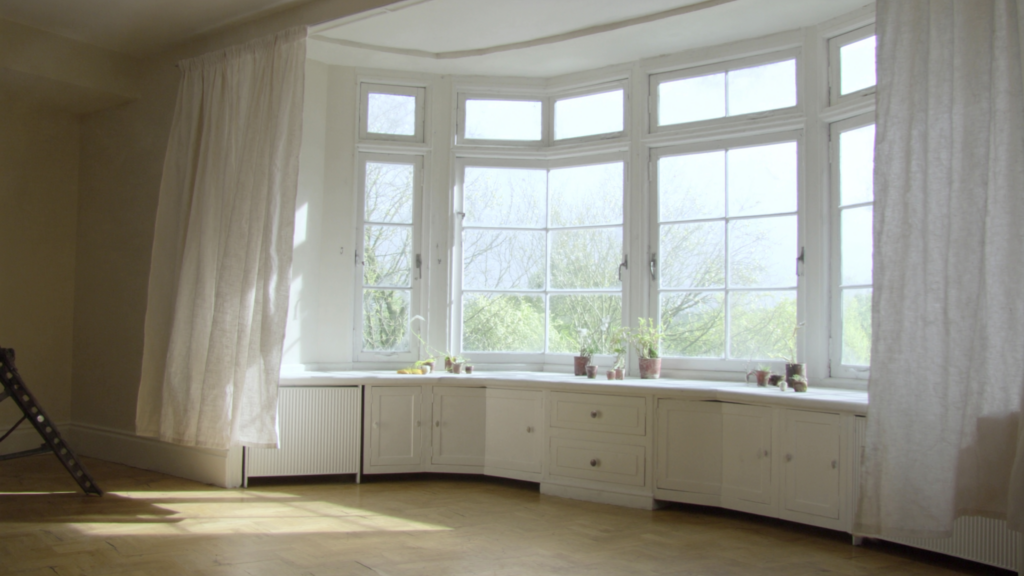
Double glazing in a house is a window system consisting of two panes of glass separated by a layer of trapped gas, typically argon, which significantly reduces heat loss compared to single glazing. The Energy Saving Trust states that installing double glazing in a typical semi-detached home can save around £195 per year on energy bills (Energy Saving Trust, 2026). This makes it a standard feature in modern UK homes.
The answer depends on the type of home you have. For a typical gas-heated semi-detached house, double glazing reduces heat loss through windows by roughly 50%. However, if your home is all-electric or uses oil heating, the savings are higher because electricity costs more per kWh. The primary variable is the window area, homes with larger windows or more glazing see bigger savings. Double glazing does not apply to listed buildings in conservation areas without special consent from the local authority.
How double glazing works to insulate
Double glazing works by trapping an insulating layer of gas, usually argon, between two panes of glass. This gas has a lower thermal conductivity than air, reducing heat transfer from the inside to the outside. The gap between panes is typically 12mm to 20mm, and the glass often has a low-emissivity coating that reflects heat back into the room. A standard double-glazed unit has a U-value of around 1.2 W/m²K, compared to 4.8 W/m²K for single glazing (BRE, 2026). This means far less heat escapes in winter.
Costs and savings for UK homeowners
Installing double glazing in a typical three-bedroom semi-detached house costs between £3,000 and £5,000, including fitting. The Energy Saving Trust estimates annual savings of £195 for a gas-heated home and up to £260 for an electric-heated home (Energy Saving Trust, 2026). Payback period is roughly 10 to 20 years depending on your heating system and window size. The Great British Insulation Scheme closed on 31 March 2026. It funded insulation measures only and never covered windows or glazing.
Regulation and installation standards
All new double glazing in England and Wales must comply with Building Regulations Part L, which requires a maximum U-value of 1.6 W/m²K for windows. Installers must be FENSA or CERTASS registered, or you must apply for building control approval directly. Using a TrustMark-registered installer ensures the work meets quality standards (TrustMark, 2026). Double glazing also reduces condensation, noise pollution, and improves home security compared to single glazing.
A worked example
Glazing is standard-rated for VAT at 20%. The zero rate for energy-saving materials covers insulation, heat pumps and solar panels; HMRC names secondary and double glazing as excluded (VAT Notice 708/6). The Energy Saving Trust estimates yearly savings of £195 on gas heating bills, meaning the payback period is roughly 27 years. However, if your home is all-electric, the yearly savings jump to around £280 because electricity costs more per kWh, reducing payback to about 19 years. Over a 25-year lifespan, total savings reach £4,875 for gas-heated homes or £7,000 for electric-heated homes. The BUS grant does not cover double glazing, but ECO4 may part-fund installations for low-income households. For more details, check the Energy Saving Trust guide to double glazing.
| Item | Figure |
|---|---|
| Upfront cost after grants | £5,225 |
| Yearly savings | £195 |
| Payback period | 27 years |
| 25-year lifetime savings | £4,875 |
What homeowners often get wrong
The most common mistake is believing double glazing alone solves all draught problems in an old home. Here are three misconceptions that waste money and miss opportunities.
- Assuming all double glazing is the same Many homeowners choose the cheapest option without checking the U-value. A-rated double glazing with a U-value of 1.2 W/m²K saves three times more energy than a C-rated unit at 1.8 W/m²K, and the wrong choice means losing £100 per year in avoidable heat loss.
- Installing in a listed building without consent Some homeowners replace windows in a conservation area without realising they need listed building consent from the local authority. This can lead to a £20,000 fine and an order to reinstate the original single glazing, which costs more than the installation itself.
- Ignoring the frame material Many people focus only on the glass and pick uPVC frames for a period property. Wooden or aluminium-clad timber frames last 40 years compared to uPVC’s 20-year lifespan, and choosing uPVC in a Victorian terrace can reduce the property value by 5% because it looks out of character.
Quick reference
- A-rated double glazing has a U-value of 1.2 W/m²K or lower, which is the standard for modern energy-efficient homes in the UK.
- The Energy Saving Trust estimates a typical semi-detached home saves £195 per year on gas heating bills after switching from single glazing.
- Listed buildings and homes in conservation areas require planning permission from the local authority before replacing windows with double glazing.
- Double glazing typically lasts 20 to 30 years, but timber frames can last 40 years with proper maintenance and repainting every 5 years.
- Installing double glazing in a home with cavity wall insulation and loft insulation can reduce overall heat loss by up to 30%, not just through windows.
Frequently Asked Questions
The Energy Saving Trust says double glazing saves around £195 per year in a typical gas-heated semi-detached home. Savings are higher for all-electric or oil-heated homes.
No, double glazing is not automatically allowed for listed buildings. You need special consent from the local authority, and it may not be permitted in conservation areas.
A standard double-glazed unit should have a U-value of around 1.2 W/m²K. This is a big improvement over single glazing at 4.8 W/m²K, according to BRE.