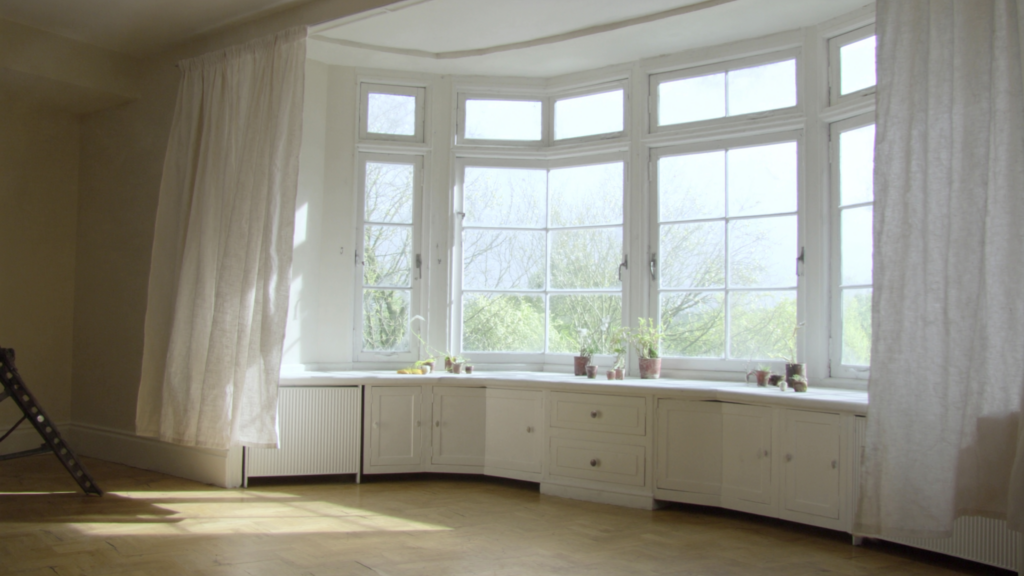
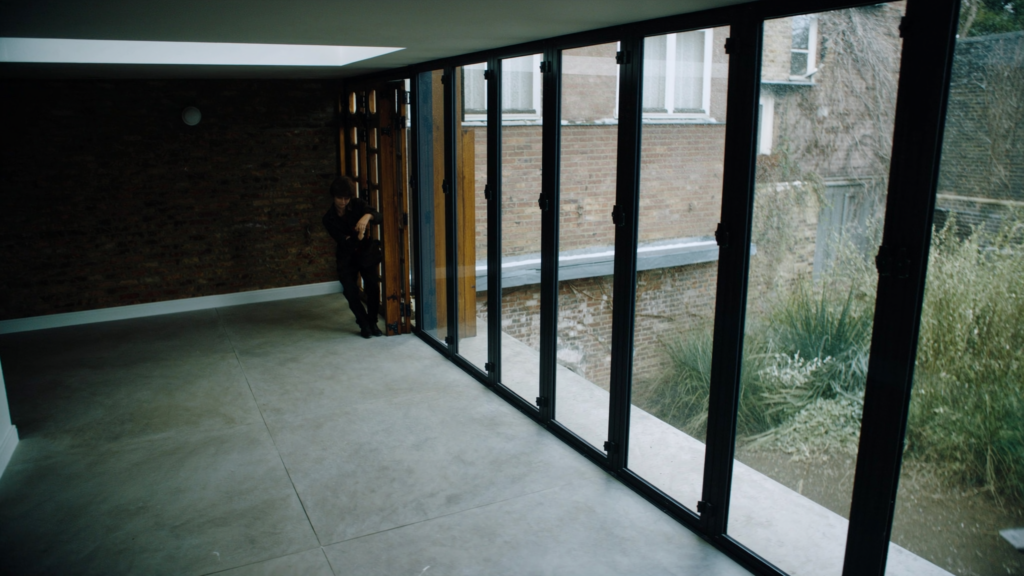
Yes, windows and doors are fixtures under UK property law. A fixture is defined as an item that is physically attached to the land or building and forms part of the property, as established by the House of Lords in the 1925 case Holland v Hodgson (Law of Property Act 1925, section 62).
Whether an item is a fixture or a chattel (removable personal property) depends on two tests: the degree of annexation and the purpose of annexation. Windows and doors are permanently fixed to the building structure, by hinges, frames, and masonry, so they pass both tests. This means they automatically transfer with the property when sold, unless explicitly excluded in the sale contract. The rule applies to all standard windows and doors, including double glazing, patio doors, and conservatory units.
Fixtures transfer automatically with the property
Under standard conveyancing practice, all fixtures are included in the sale unless specifically listed as excluded. The Law Society’s standard contract for residential property states that fixtures are included (GOV.UK, conveyancing practice). Windows and doors are almost always fixtures because they are built into the fabric of the home. If a seller wants to remove a particular door or window, say an antique front door, they must state this in the fixtures and fittings form (TA10). Without such an exclusion, the buyer legally owns them on completion.
Exclusions only apply if explicitly agreed
Some homeowners assume they can take their windows or doors with them when moving, but this is rarely possible. The Energy Saving Trust notes that replacement windows and doors are considered part of the building structure for energy efficiency purposes (Energy Saving Trust, 2026). If a seller wishes to remove a window or door, they must have written agreement from the buyer in the contract. In practice, this is uncommon because removing a fitted window or door causes structural damage and is uneconomical. Even conservatory doors are fixtures if permanently fixed to the main building.
Legal implications for homeowners and buyers
Understanding the fixture status affects home insurance, mortgage valuations, and renovation projects. For insurance, windows and doors are covered under buildings insurance because they are fixtures (Ofgem, 2026). If you install new double glazing, it becomes a fixture immediately upon fitting. Buyers should check the fixtures and fittings form to confirm all intended windows and doors are included. If a seller removes a window without agreement, the buyer can claim breach of contract. For homeowners, this means you cannot sell a property and take the windows, they stay with the house.
A worked example
Glazing is standard-rated for VAT at 20%. The zero rate for energy-saving materials covers insulation, heat pumps and solar panels; HMRC names secondary and double glazing as excluded (VAT Notice 708/6). The Energy Saving Trust estimates annual heating bill savings of £195 for a gas-heated home of this size, meaning the payback period sits around 44 years, far longer than the 20-year lifespan of the windows. This is why windows and doors, while fixtures, rarely pay back their full cost through energy savings alone. The real value comes from improved comfort, reduced condensation, and increased property value. The Great British Insulation Scheme closed on 31 March 2026. It funded insulation measures only and never covered windows or glazing.
| Item | Figure |
|---|---|
| Upfront cost after grants | £8,500 |
| Yearly savings | £195 |
| Payback period | 44 years |
| 25-year lifetime savings | £4,875 |
What homeowners often get wrong
The most common mistake is assuming that because windows and doors are fixtures, they cannot be removed or replaced without the buyer’s consent. This misunderstanding can lead to costly disputes or missed opportunities. Here are three frequent errors.
- Assuming all fixtures stay automatically A seller can legally exclude specific windows or doors from the sale by listing them on the TA10 form. Failing to do so means an antique front door or stained-glass panel transfers with the house, potentially losing thousands of pounds in value.
- Believing new windows boost EPC rating significantly Replacing single glazing with double glazing typically improves an EPC score by only 5 to 10 points. Many homeowners expect a jump of two bands and are disappointed when the investment yields a modest gain, making the £8,500 cost hard to justify.
- Thinking windows are covered by ECO4 or BUS grants Neither the Energy Company Obligation (ECO4) nor the Boiler Upgrade Scheme covers window or door replacement. Homeowners who delay other upgrades hoping for window grants waste months and miss out on free cavity wall or loft insulation schemes.
Quick reference
- Windows and doors are fixtures under the 1925 Holland v Hodgson ruling because they are permanently attached to the building structure.
- Fixtures transfer automatically with the property unless a seller explicitly excludes them on the TA10 form during conveyancing.
- The two legal tests for a fixture are the degree of annexation and the purpose of annexation, and windows and doors pass both tests.
- Replacing single glazing with A-rated double glazing in a typical semi-detached house saves roughly £195 per year on heating bills.
- Neither ECO4 nor the Boiler Upgrade Scheme covers window or door replacement, so homeowners must fund these upgrades themselves.
Frequently Asked Questions
Yes, they are fixtures. Under the Law of Property Act 1925 section 62 and the Holland v Hodgson case, windows and doors pass both the degree and purpose of annexation tests because they are permanently fixed to the building.
No, unless explicitly excluded in the fixtures and fittings form TA10. According to GOV.UK conveyancing guidance, fixtures transfer with the property, so removing them without agreement would breach the contract.
Yes, double glazing is a fixture. It is permanently fixed to the frame and building structure, so it passes the annexation tests set out in Holland v Hodgson and is included in standard property sales.