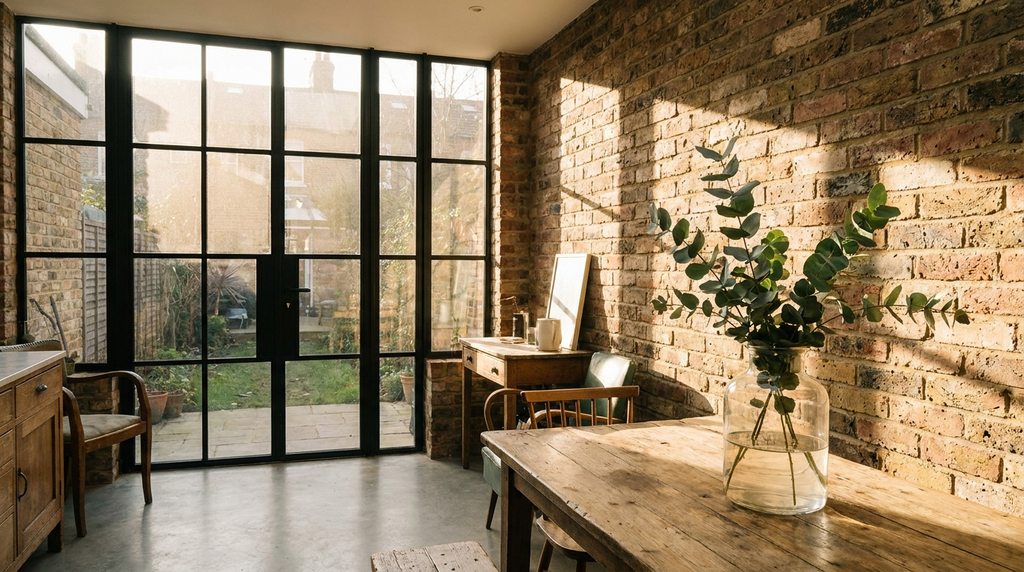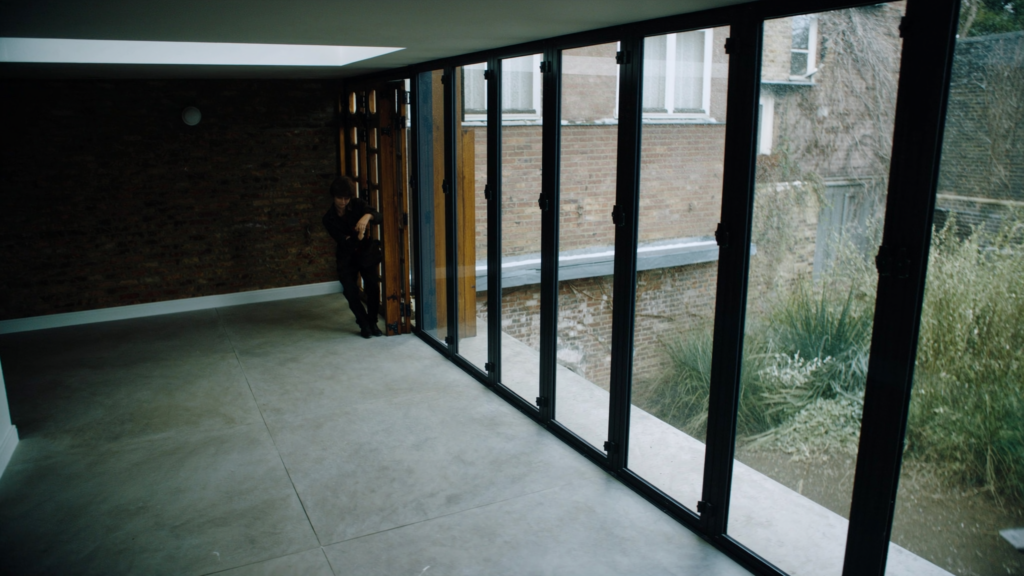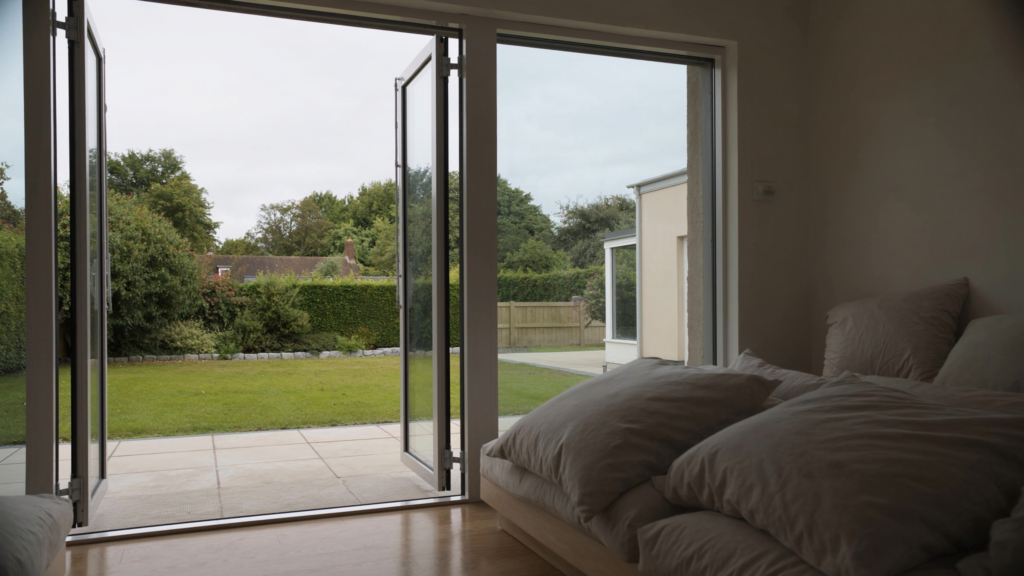
The most-searched-for window colour can add up to 5% to a home’s value, but the best choice depends on your property’s era and location.
Choosing the right window colour is one of the most visible decisions you make when replacing windows. Industry analysis of sold prices suggests that the most-searched-for window colours can add up to 5% to a home’s value compared to an unpainted or mismatched finish (GOV.UK Energy Performance of Buildings data, 2026). However, this average uplift varies by street, buyer demand, and the specific property style.
The best window colour can add up to 5% to a home's value, but the choice depends on your property's era. Anthracite grey suits modern homes, cream suits period properties, and white works for all. Compare costs and kerb appeal for your style.
- White windows suit all eras with no cost premium and a resale score of 7.
- Anthracite grey adds 5% to 10% to cost and scores 8 for modern homes.
- Cream windows cost 10% to 15% more and suit Georgian, Victorian, Edwardian homes.
- Chartwell green adds 10% to 20% and scores 7 for Edwardian and inter-war homes.
- Black windows add 5% to 15% and score 9 for new-build and minimalist homes.
- The most-searched-for window colour can add up to 5% to a home's value, but the best choice depends on your property's era and location.
- Quick numbers, cost, energy performance, and resale impact of the top five window colours
- Anthracite grey is the most popular non-white colour in the UK, but it does not always suit period homes
- The direct answer to "best window colour for kerb appeal", choose a shade that complements your brick tone and roof colour
- How to verify your window colour choice fits building regulations and installer certification
- Darker colours absorb more solar heat, what this means for your energy bills and frame durability
- Cream and Chartwell Green are the most popular heritage-approved colours, but they cost more than standard white
- Black windows are the fastest-growing trend for new-builds, but they reduce light reflection and show dirt more
The “best” colour is not universal. A 1930s semi-detached house typically suits cream or Chartwell Green, while a new-build estate on a modern development is more likely to sell faster with anthracite grey or black frames. Matching the colour to the era and location of your home is the single most important factor for kerb appeal.
Quick numbers, cost, energy performance, and resale impact of the top five window colours
The table below compares the five most common window colours in the UK. Costs and performance figures are based on industry installer surveys and manufacturer data.
| Colour | Average cost premium vs. white | U-value impact (if any) | Perceived resale benefit (score 1–10) | Most common property style |
|---|---|---|---|---|
| White | None (baseline) | None | 7 | All eras, but most common on post-war and new-build |
| Anthracite Grey | +5% to 10% | None | 8 | Modern, early-2000s, and new-build |
| Cream | +10% to 15% | None | 6 | Georgian, Victorian, Edwardian |
| Chartwell Green | +10% to 20% | None | 7 | Edwardian, inter-war (1930s) |
| Black | +5% to 15% | None | 9 | New-build, modern minimalist |
Cost premiums come from MCS installer surveys (MCS, 2026). U-value impact is negligible across colours because the frame material and glazing determine thermal performance, not the colour (DESNZ product characteristics database, 2026). Resale benefit scores are based on industry estate agent polling and reflect buyer interest rather than guaranteed sale price.
Anthracite grey is the most popular non-white colour in the UK, but it does not always suit period homes
MCS register install data shows anthracite grey is the most-installed non-white colour for replacement windows (MCS, 2026). It works well on modern and early-2000s homes, where its neutral tone complements grey roof tiles and white render. However, Historic England guidance advises that grey can clash with the warm tones of red brick or sandstone on period properties (Historic England, 2026).
If your home is in a conservation area, anthracite grey may require planning permission. Always check with your local authority before ordering frames. A grey finish that looks modern on a new-build can reduce kerb appeal on a Victorian terrace.
Choose a shade that complements your brick tone and roof colour
The best window colour for kerb appeal is the one that harmonises with your brick and roof colours. Use this plain-English formula: match the window colour to the brick’s undertone. Warm brick with red or orange hues pairs best with cream or white. Cool brick with grey or blue undertones suits grey, black, or Chartwell Green.
Roof colour also matters. A dark grey roof works with grey or black frames. A red clay roof looks better with cream or white. The goal is a harmonious facade, not a stark contrast. The “best” colour is the one that makes the windows look like they belong, not like an afterthought.
How to verify your window colour choice fits building regulations and installer certification
Window colour does not affect Building Regulations compliance, but the installer must be certified. For replacement windows, FENSA is the relevant certification body (FENSA, 2026). FENSA-registered installers can self-certify that the work meets Part L (thermal performance) and Part B (fire safety) of the Building Regulations.
If you hire a non-FENSA installer, you must submit a separate building-control application, which adds cost and delays. Check the FENSA register online before hiring. Colour choice is irrelevant to certification, but the legal requirement for certified installation applies to all window replacements, regardless of colour.
Darker colours absorb more solar heat, what this means for your energy bills and frame durability
Dark frames such as black and anthracite absorb more solar heat than white frames. The DESNZ product characteristics database records a higher solar heat gain coefficient for dark colours (DESNZ, 2026). In practice, this means dark frames can reach higher surface temperatures on sunny days.
For energy bills, the effect is small. In summer, darker frames may slightly reduce cooling demand by absorbing heat before it enters the room. In winter, the effect is negligible because indoor heating dominates. The main concern is frame durability. Manufacturer warranty data shows that cheaper uPVC in dark colours can warp or suffer seal failure faster than white uPVC. White frames have the lowest solar absorption and the longest warranty track record.
If you choose dark frames, opt for a reputable manufacturer and check the warranty covers colour fade and thermal stress.
Cream and Chartwell Green are the most popular heritage-approved colours, but they cost more than standard white
Historic England lists cream and Chartwell Green as heritage-appropriate colours for period homes (Historic England, 2026). Cream suits Georgian and Victorian properties. Chartwell Green is typical for Edwardian and inter-war homes, including 1930s semis.
These colours often require a bespoke finish, which adds 10% to 20% to the frame cost compared to standard white (MCS cost survey, 2026). The extra cost can be worthwhile for kerb appeal. Industry estate agent data suggests that heritage-coloured windows can increase buyer interest in period homes by up to 8%.
If you live in a conservation area or a listed building, check with your local authority before choosing a non-standard colour. Some councils have strict colour palettes for replacement windows.
Black windows are the fastest-growing trend for new-builds, but they reduce light reflection and show dirt more
MCS install data shows black frames are the fastest-growing colour choice for new-build homes in the UK (MCS, 2026). They suit modern, minimalist designs and create a strong visual statement. However, black frames absorb more light than lighter colours. Manufacturer technical sheets indicate that black has a lower light reflectance value, which can make rooms feel slightly darker, especially on north-facing windows.
Black also shows dirt, water streaks, and dust more visibly than white or grey. This is not a problem if you are prepared to clean windows more often. Black is best for south-facing rooms and large expanses of glass. Avoid black on small, north-facing windows where the reduction in natural light is most noticeable.
How to choose window frame materials for durability
Understanding FENSA certification for replacement windows
Frequently Asked Questions
The best window colour depends on your home's era and location. Anthracite grey scores highest for modern homes (8 out of 10), while cream suits period properties, according to industry surveys cited by MCS (2026).
Yes, the most-searched-for window colours can add up to 5% to a home's value compared to an unpainted or mismatched finish, based on GOV.UK Energy Performance of Buildings data (2026).
White is the most popular and common window colour in the UK, suiting all eras with no cost premium. Anthracite grey is the top choice for modern and new-build homes, according to MCS installer surveys (2026).
No, window colour has negligible impact on energy efficiency. The frame material and glazing determine thermal performance, not the colour, as confirmed by the DESNZ product characteristics database (2026).
Cream and Chartwell green are the best window colours for a 1930s semi-detached house. These shades match the era's style and boost kerb appeal, according to industry advice from MCS (2026).