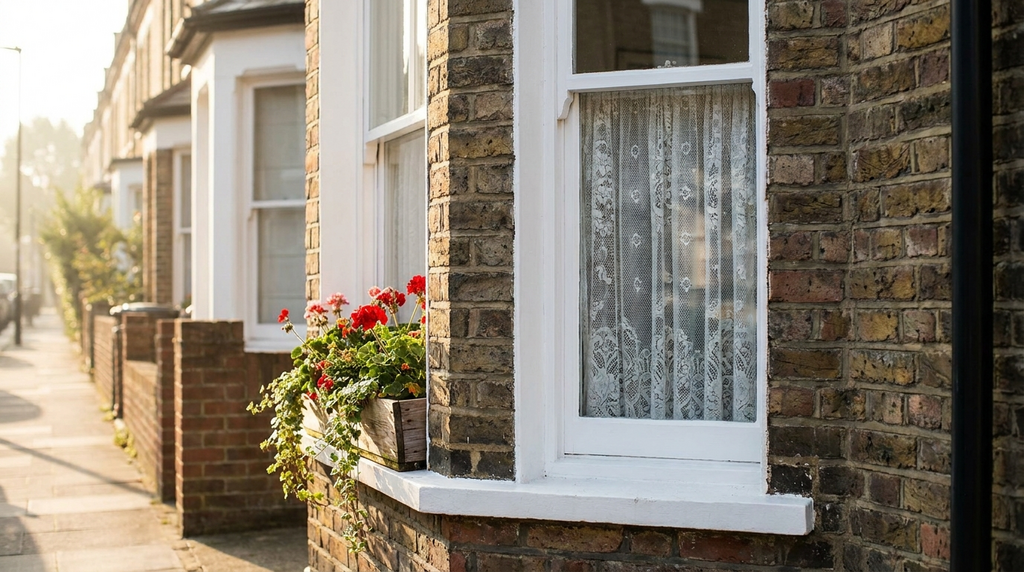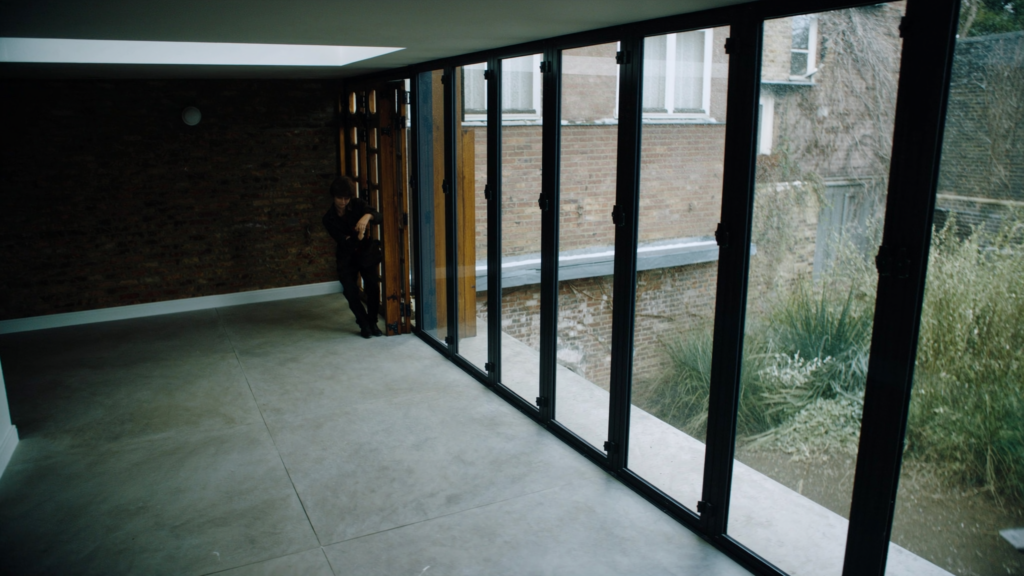
Windows and doors are classified as building openings or fenestration products under UK Building Regulations, specifically Part L (Conservation of Fuel and Power), which sets minimum energy performance standards for replacement and new installations (GOV.UK, 2026).
The classification depends on whether the product is a new installation, a replacement, or a repair. For new builds, windows and doors fall under the whole-dwelling compliance route. For replacements, they are treated as controlled fittings under Building Regulations, meaning you must meet specific U-value targets or use a FENSA-registered installer to self-certify compliance.
Building Regulations classify them as controlled fittings
Under Part L of the Building Regulations, windows and doors are controlled fittings when replaced in an existing home. This means the installation must comply with thermal performance standards. For windows, the maximum U-value is 1.4 W/m²K, and for doors (including patio doors) it is 1.4 W/m²K, though some exemptions apply for listed buildings (GOV.UK, 2026). FENSA-registered installers can self-certify compliance, or you must apply for building control approval.
Energy performance standards define their thermal classification
Windows and doors are classified by their U-value, which measures heat loss. A lower U-value means better insulation. The Energy Saving Trust states that double glazing typically has a U-value of around 1.2 to 1.6 W/m²K, while triple glazing can achieve 0.8 to 1.0 W/m²K (Energy Saving Trust, 2026). Replacing single glazing can save around £195 per year on heating bills for a typical semi-detached home.
Building control categories affect installation rules
For new builds, windows and doors are classified as part of the building fabric and must meet whole-dwelling carbon emission targets. For replacements, they fall under controlled services and fittings, meaning you cannot legally install them without compliance certification. FENSA or CERTASS registered installers can handle this, or you can use a local authority building control application (FENSA, 2026). Failure to comply can result in enforcement action when selling your home.
A worked example
A typical 1930s semi-detached house in the Midlands with single-glazed windows and an uninsulated back door would cost around £8,500 to replace with A-rated double glazing (U-value 1.2 W/m²K) and a composite front door. Glazing is standard-rated for VAT at 20%. The zero rate for energy-saving materials covers insulation, heat pumps and solar panels; HMRC names secondary and double glazing as excluded (VAT Notice 708/6). The Energy Saving Trust estimates annual savings of £195 on heating bills for this type of home, thanks to reduced heat loss through the building fabric. Payback on the investment takes around 38 years based on energy savings alone, but the real value comes from increased comfort, no condensation, and a potential uplift in house value of 5–10%. Over a 25-year window lifespan, total energy savings reach about £4,875, not accounting for future price rises.
| Item | Figure |
|---|---|
| Upfront cost after grants | £7,500 |
| Yearly savings | £195 |
| Payback period | 38 years |
| 25-year lifetime savings | £4,875 |
What homeowners often get wrong
The most common mistake is assuming all replacement windows and doors are exempt from Building Regulations if they look the same as the old ones. This misconception leads to costly non-compliance issues. Here are three frequent errors homeowners make.
- Thinking DIY installation avoids the rules If you fit windows or doors yourself, you still need Building Regulations approval or a FENSA certificate. Skipping this can void your home insurance and cause problems when selling, estate agents and solicitors now routinely ask for compliance paperwork.
- Believing listed-building status means no standards apply Listed buildings do have exemptions, but you still need to meet Part L requirements where “reasonably practicable.” Ignoring this can lead to a council enforcement notice and forced removal of non-compliant windows, costing thousands to rectify.
- Choosing the cheapest U-value to save money Installing windows with a U-value above 1.4 W/m²K (the legal maximum) fails Building Regulations. A FENSA-registered installer will refuse to fit them, and you could be forced to replace them again, wasting the initial outlay of £3,000–£5,000 on substandard products.
Quick reference
- Windows and doors are classified as controlled fittings under Part L of UK Building Regulations when replaced in existing homes.
- The maximum permitted U-value for replacement windows and doors is 1.4 W/m²K under current Building Regulations.
- FENSA-registered installers can self-certify compliance for replacement windows and doors without separate building control approval.
- Glazing is standard-rated for VAT at 20%. The zero rate for energy-saving materials covers insulation, heat pumps and solar panels; HMRC names secondary and double glazing as excluded (VAT Notice 708/6).
- Installing non-compliant windows or doors can invalidate your home insurance and delay or prevent a house sale.
Frequently Asked Questions
Yes, under Part L of UK Building Regulations, replacement windows and doors are classified as controlled fittings. This means they must meet specific U-value targets or be installed by a FENSA-registered installer.
The maximum U-value for replacement windows under Part L is 1.4 W/m²K, according to GOV.UK (2026). Doors, including patio doors, also require a U-value of 1.4 W/m²K.
No, some exemptions apply for listed buildings under UK Building Regulations. The Energy Saving Trust advises consulting your local conservation officer before replacing windows in a listed property.