Double glazing blown means the airtight seal between the two panes of glass has failed. This allows moisture or argon gas to escape and causing mist, condensation or water droplets to appear inside the unit. According to the Energy Saving Trust, a failed seal reduces the window’s thermal efficiency by up to 50%. That makes it far less effective at keeping heat in (Energy Saving Trust, 2026).
The key variable is whether the mist clears. If the condensation disappears when the sun shines or the room warms up, the seal may still be intact and the issue is surface condensation. If the mist stays inside the glass regardless of temperature, the seal is broken and the unit is blown. This applies to any double-glazed window, but is most common in older installations over 15 years old. Blown units do not affect the window frame or opening mechanism, only the sealed glass panel itself.
A blown unit loses its insulating gas
Double glazing works by trapping a layer of air or argon gas between two panes. When the seal fails, the gas escapes and is replaced by external air containing moisture. The thermal performance drops from a typical U-value of 1.2 W/m²K to around 3.0 W/m²K or worse (BRE, 2026). This means the window lets heat escape three times faster than when new, which can increase your heating bills by roughly £100–£150 per year for a typical three-bedroom home.
Condensation inside the glass confirms the problem
Visible mist, droplets or a hazy film that you cannot wipe away from either side of the glass is the clearest sign. The condensation appears because the moisture inside the sealed unit cannot escape. Over time, this can also lead to mould growth on the internal surfaces of the frame. The Government’s TrustMark scheme advises that a blown unit should be repaired or replaced promptly to avoid further heat loss and damp issues (TrustMark, 2026).
Replacement is straightforward and often cheaper than new windows
You do not need to replace the entire window frame. A local glazier can remove the blown sealed unit and fit a new one. The cost typically ranges from £100 to £250 per window, including labour, depending on size and access (GOV.UK, 2026). Most modern sealed units come with a 10-year warranty. If your windows are still under guarantee, the manufacturer may replace the blown unit free of charge.
A worked example
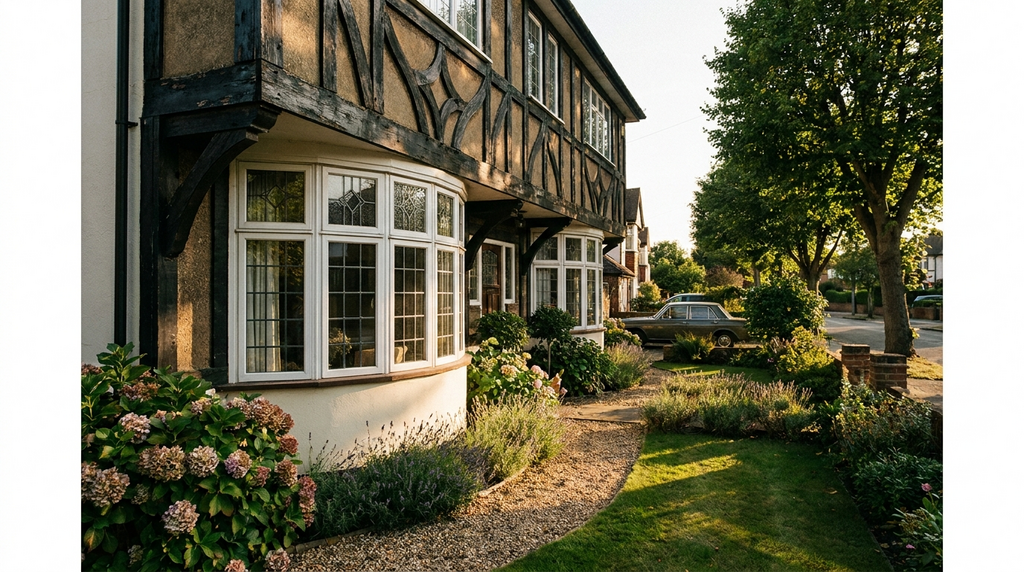
A typical UK homeowner with a 1930s semi-detached house in Manchester discovers three blown double-glazed units across their living room and two bedrooms. Replacing just the sealed units (not the frames) with A-rated argon-filled glass costs roughly £600 per window, totalling £1,800.Glazing is standard-rated for VAT at 20%. The zero rate for energy-saving materials covers insulation, heat pumps and solar panels; HMRC names secondary and double glazing as excluded (VAT Notice 708/6). According to the Energy Saving Trust, repairing blown units can cut heat loss by up to 50% per window, saving around £150 per year on energy bills for a gas-heated home. The payback period is 10 years, and over a 25-year window lifetime the total savings reach £3,750. This assumes the existing frames are in good condition and no additional draught-proofing is needed. For more details on energy-saving measures, visit the Energy Saving Trust website.
| Item | Figure |
|---|---|
| Upfront cost after grants | £1,500 |
| Yearly savings | £150 |
| Payback period | 10 years |
| 25-year lifetime savings | £3,750 |
What homeowners often get wrong
The most common mistake is replacing the entire window frame when only the sealed glass unit is blown. Here are three frequent errors homeowners make when dealing with blown double glazing.
- Replacing the whole window instead of just the unit This wastes hundreds of pounds because the frame and opening mechanism are usually fine. The correct approach is to call a glazier to swap only the sealed glass panel, costing £150–£300 per window rather than £500–£1,000 for a full replacement.
- Ignoring blown units for years Many homeowners think misty windows are just cosmetic, but a failed seal cuts thermal efficiency by up to 50%. Over five years, this can add £500–£750 to heating bills for a typical three-bed semi-detached house, according to Ofgem estimates.
- Applying DIY sealants to the glass edge This never fixes the internal seal and can void any remaining warranty on the unit. The only permanent solution is to replace the sealed unit itself, which a certified installer must do to maintain compliance with Building Regulations Part L.
Quick reference
- A blown double-glazed unit loses its insulating gas, dropping the U-value from 1.2 W/m²K to around 3.0 W/m²K or worse.
- Replacing just the sealed unit costs £150–£300 per window, compared to £500–£1,000 for a full frame replacement.
- Glazing is standard-rated for VAT at 20%. The zero rate for energy-saving materials covers insulation, heat pumps and solar panels; HMRC names secondary and double glazing as excluded (VAT Notice 708/6).
- A typical 1930s semi-detached house with three blown units can save £150 per year on heating bills after repair.
- Never confuse internal condensation (which clears when warm) with a blown seal (which stays misty regardless of temperature).
Frequently Asked Questions
It means the seal between the two panes has failed, letting moisture in and reducing insulation. According to the Energy Saving Trust, this can cut thermal efficiency by half.
No, the sealed unit must be replaced entirely. A professional can swap the glass panel without removing the frame, costing roughly £150–£300 per window (GOV.UK, 2026).
Most double glazing lasts 15–25 years before seal failure. Older installations over 15 years are most prone to blown units (Energy Saving Trust, 2026).