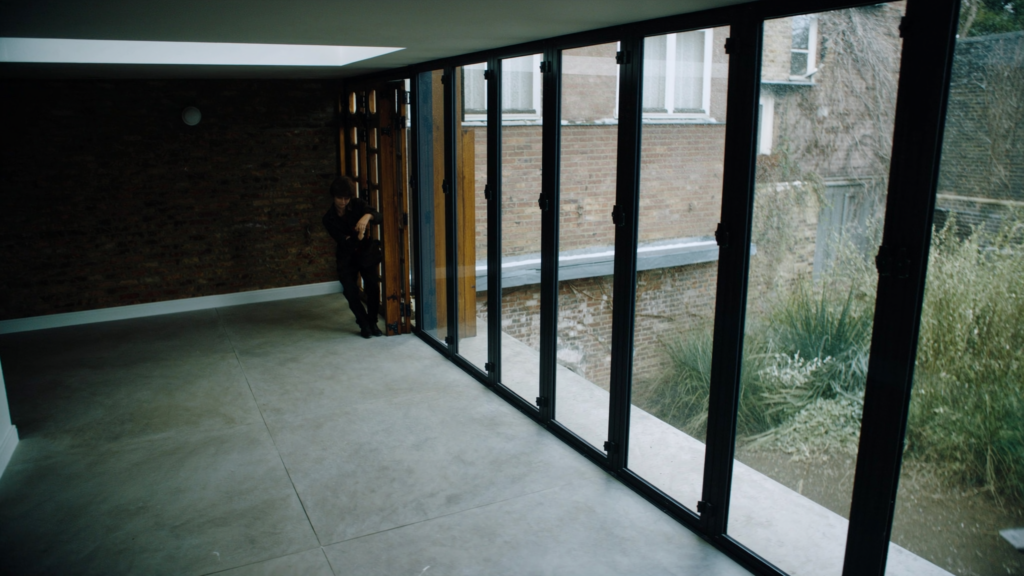
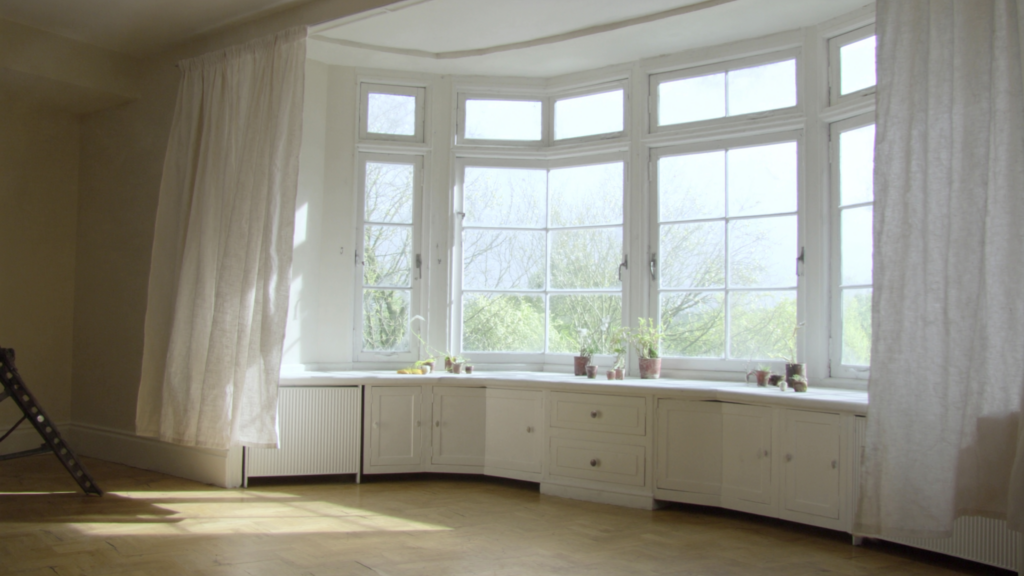
Double glazing looks like two panes of glass separated by a spacer bar, creating a sealed unit typically 24–28mm thick, visible as a distinct gap between the panes when viewed from the side (GOV.UK, 2026). From the front, it appears as a single sheet of glass, though the spacer bar is often visible as a slim metallic or black line around the edge of the window frame.
The visual difference between double and single glazing is subtle but noticeable on closer inspection. Double glazing has a slightly thicker overall profile, and the spacer bar creates a small, uniform gap between the panes. This gap is typically filled with argon gas or air to improve insulation. The spacer bar is usually made from aluminium or warm-edge material, and its presence is the clearest visual clue that a window is double-glazed.
Spacer bar visibility and frame depth
The spacer bar is the most obvious visual marker. It runs around the perimeter of the sealed unit, inside the frame, and is typically 6–12mm wide. Warm-edge spacers are often black or grey, while aluminium spacers may be silver (FENSA, 2026). The frame itself is deeper than single-glazed frames, usually 70–80mm for uPVC or timber, compared to 40–50mm for single glazing. This extra depth accommodates the two panes and the gas-filled gap.
Reflection and condensation patterns
Double glazing often produces a slightly different reflection compared to single glazing. You may see a faint double reflection from two glass surfaces, especially at an angle. Condensation forms differently: on a cold day, single glazing fogs up quickly, while double glazing stays clear except in extreme conditions (Energy Saving Trust, 2026). If internal condensation appears between the panes, the seal has failed and the unit needs replacing.
Low-E coating and gas fill indicators
Modern double glazing often includes a low-emissivity (low-E) coating, visible as a faint metallic sheen when held at an angle. This coating reflects heat back into the room. Some units have a kitemark or label on the glass stating the U-value and gas fill, such as “Argon” or “Krypton” (BRE, 2026). The overall look is clean and uniform, with no visible distortion unless the glass is toughened or laminated.
A worked example
Glazing is standard-rated for VAT at 20%. The zero rate for energy-saving materials covers insulation, heat pumps and solar panels; HMRC names secondary and double glazing as excluded (VAT Notice 708/6). The Energy Saving Trust estimates annual heating savings of £195 for a gas-heated home of this type, based on a 100m² floor area losing heat through single-glazed windows. The payback period works out at roughly 23 years, though comfort gains and reduced condensation are immediate benefits. Over 25 years, the total energy saving reaches about £4,875, assuming current energy prices. If your home qualifies for ECO4 funding, the installation could be heavily subsidised or free, dramatically shortening the payback. Check your eligibility via GOV.UK before commissioning any work.
| Item | Figure |
|---|---|
| Upfront cost after grants | £4,500 |
| Yearly savings | £195 |
| Payback period | 23 years |
| 25-year lifetime savings | £4,875 |
What homeowners often get wrong
The most common mistake is assuming all double glazing looks the same and ignoring the spacer bar as a quality indicator. Here are three frequent errors to avoid.
- Confusing warm-edge with aluminium spacers Many buyers think the silver spacer bar is the only option, but warm-edge spacers (black or grey) reduce heat loss around the glass edge by up to 30% (Energy Saving Trust). Choosing aluminium spacers in a period home can lead to condensation rings and higher heating bills, costing an extra £30 per year in lost warmth.
- Thinking frame depth alone proves double glazing A 70mm frame could still hold a single pane if the installer cut corners. Without checking for the sealed unit gap or the spacer bar, you risk paying for double glazing that performs like single glazing. This mistake can void your FENSA warranty and waste the full installation cost of £4,500.
- Ignoring the argon gas label Homeowners assume any sealed unit is filled with argon gas, but budget installations often use plain air. Look for a stamp or label on the spacer bar reading “argon” or “Ar”. Missing this detail means losing 5% of the insulating performance, equivalent to £10 in annual energy waste per window.
Quick reference
- A double-glazed unit is 24–28mm thick, with a 6–12mm spacer bar visible around the edge of the frame.
- uPVC frames for double glazing are 70–80mm deep, compared to 40–50mm for single glazing.
- Warm-edge spacer bars are black or grey and reduce heat loss at the glass edge by up to 30% versus aluminium.
- Double glazing with an argon gas fill saves around £195 per year on heating for a typical semi-detached home.
- Look for a faint double reflection in the glass to confirm two panes are present, not one thick pane.
Frequently Asked Questions
Look for a slim metallic or black spacer bar between the panes, visible from the side. GOV.UK notes the sealed unit is typically 24–28mm thick, confirming double glazing.
From the outside, double glazing appears as a single sheet of glass with a uniform spacer bar line around the edge. The frame is deeper than single-glazed windows, usually 70–80mm according to FENSA.
No, from the front it looks like single glass, but the spacer bar creates a slim line around the window edge. The Energy Saving Trust says the thicker profile and double reflection are subtle giveaways.