Reading’s Housing Story, and Why Eco Upgrades Make Real Sense Here
Reading is one of those towns that’s hard to pigeonhole. It’s a proper urban centre, the largest town in the UK without city status, sitting at the confluence of the Thames and the Kennet, with the Berkshire Downs rolling away to the south. Yet step away from the Oracle shopping centre and you’re quickly into dense Victorian terraces in Newtown or Katesgrove, leafy Edwardian semis in Tilehurst and Caversham, and sprawling post-war estates in Whitley and Woodley.
That mix of housing types tells an important story for eco improvements. A huge proportion of Reading’s homes were built before 1940, solid-walled Victorian and Edwardian properties that were never designed with insulation in mind. Add in the large post-war council estates, particularly in south Reading, and you’ve got a town where the average EPC Band D rating is a genuine opportunity to save money and improve comfort.
The good news? Reading’s position in the Thames Valley gives it excellent solar potential, relatively mild winters compared to much of the UK, and a competitive local installer market serving a cluster of busy towns including Wokingham, Henley-on-Thames, Bracknell, and Marlow. You’re in a good place to get quality work done at sensible prices.
For the wider Berkshire context, take a look at our eco homes in Berkshire county overview.
How Energy Efficient Are Reading Homes, Really?
The average EPC Band D for Reading puts it right at the UK national average, which sounds reassuring until you look at what Band D actually means for your wallet. A Band D home is typically losing heat through poorly insulated walls, a draughty loft, and an ageing boiler working harder than it needs to.
In practical terms, Reading’s average gas usage of 10,800 kWh per year is slightly below the national median of around 12,000 kWh, partly because the Thames Valley’s milder winters (roughly 1,200 to 1,500 heating degree days annually) mean your boiler isn’t running flat out for months on end. But that still translates to a typical combined energy bill of around £1,900 to £2,300 per year for a semi-detached or terraced property in Reading, based on 2026 tariff rates.
Compared to homes in the South East as a whole, Reading sits in the middle of the pack. Newer developments around the Kennet Valley Business Park corridor and parts of Lower Earley tend to be Band C or better, while older terraces in Battle, Coley, and Newtown are often Band E or below. If your home falls into that older category, you could realistically cut your annual bills by £600 to £900 with a targeted programme of upgrades, and that’s before any grants.
Reading Borough Council has committed to ambitious carbon reduction targets as part of its Climate Emergency declaration, and the council actively supports retrofit through both national funding streams and its own housing improvement programmes, particularly for social housing in wards like Whitley and Church.
Solar Panels in Reading, Better Returns Than Most Homeowners Expect
Here’s something that surprises a lot of Reading homeowners, the Thames Valley sits in one of the best solar zones in the UK. With 1,100 to 1,200 kWh of solar irradiance per square metre per year and 1,200 to 1,500 sunshine hours annually, you’re genuinely in the sweet spot for solar PV returns. That’s significantly better than the Midlands or the North, and comparable to parts of the South West.
The mix of Victorian terraces and Edwardian semis does throw up some challenges, many roofs in Newtown or Katesgrove face east-west rather than south, and some are shaded by mature trees or neighbouring buildings. But the majority of semi-detached properties in Tilehurst, Earley, and Caversham have well-oriented south or south-west facing roof sections that are ideal.
What Different System Sizes Cost and Save in Reading
| System Size | Typical Install Cost (2026) | Annual Generation | Annual Bill Saving | Payback Period |
|---|---|---|---|---|
| 3 kW | £5,500 – £6,500 | ~2,700 kWh | £480 – £580 | 10–12 years |
| 4 kW | £7,000 – £8,500 | ~3,600 kWh | £620 – £750 | 10–12 years |
| 6 kW | £9,500 – £11,500 | ~5,400 kWh | £900 – £1,100 | 9–11 years |
Savings figures assume around 40% self-consumption and include Smart Export Guarantee (SEG) payments for exported electricity. Adding a battery storage system, typically £3,000 to £5,500 for a 5–10 kWh unit, can push self-consumption above 70% and significantly shorten payback on larger systems.
One important local note, if you live in or near Reading’s conservation areas (which cover much of the Victorian town centre, parts of Caversham, and the Battle area), you’ll need to check permitted development rules before installing. Reading Borough Council’s planning team handles these applications, and in some cases you may need full planning permission rather than just a permitted development notification.
Heating Choices That Actually Work for Reading’s Homes and Climate
Reading’s climate is genuinely mild by UK standards. Winters are damp rather than bitterly cold, and you’re unlikely to face prolonged hard frosts the way you might in the Pennines or East Anglia. That has real implications for which heating system will work best in your home.
Gas Boilers
A new A-rated condensing gas boiler remains a sensible short-term upgrade if your current boiler is more than 12 years old. Expect to pay £2,000 to £3,000 installed and save around £200 to £350 per year compared to an older inefficient model. But with gas boiler sales phased out as we move toward the government’s heat pump targets, this is a stopgap rather than a long-term solution.
Air Source Heat Pumps
Reading’s mild winters make air source heat pumps (ASHPs) particularly effective, they perform most efficiently when outdoor temperatures stay above freezing, which is most of the time in the Thames Valley. A typical ASHP installation for a semi-detached Reading home costs £8,000 to £14,000 before the Boiler Upgrade Scheme grant (see the grants section below). Running costs depend heavily on your insulation levels, but a well-insulated semi in Earley or Tilehurst could see annual heating costs of £900 to £1,300, competitive with gas once the grant is factored in.
Ground Source Heat Pumps
Ground source heat pumps are more efficient but require garden space for ground loops, a challenge for the smaller terraced plots common in Newtown, Coley, or Battle. They’re more realistic for larger semis and detached homes in Caversham Heights, Emmer Green, or the Kentwood area of Tilehurst. Installation costs run to £20,000 to £35,000, though the higher Boiler Upgrade Scheme grant of £7,500 helps offset this.
For most Reading homeowners in terraced or semi-detached properties, an air source heat pump combined with good loft and wall insulation is the most practical and cost-effective low-carbon heating route in 2026.
Where to Start With Insulation in Reading Homes
Given that so many Reading homes are Victorian or Edwardian, insulation is often where you’ll find the biggest bang for your buck. Here’s a prioritised list for typical terraced and semi-detached properties in the town.
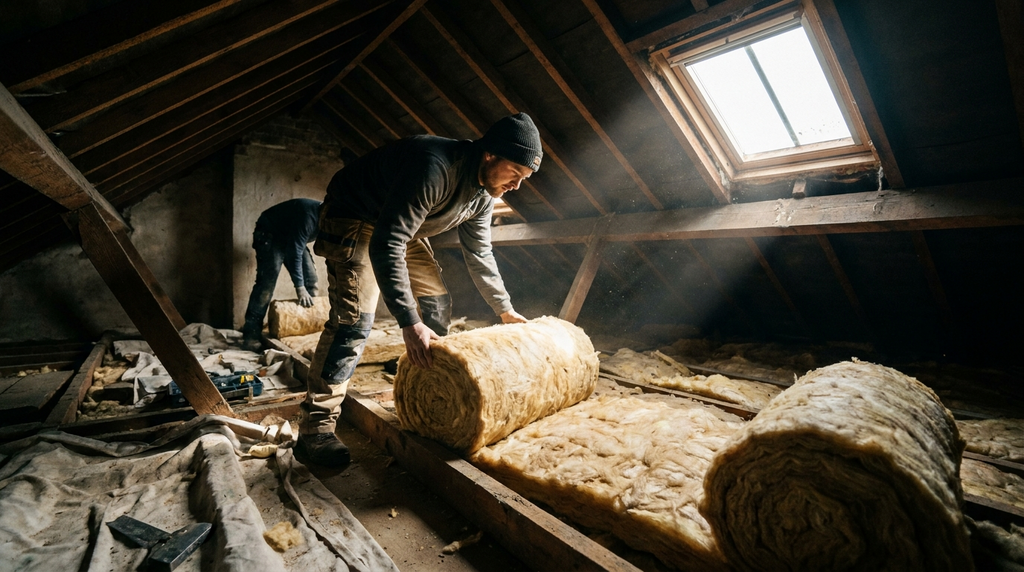
- Loft insulation, If your loft has less than 270mm of insulation (or none at all, which is still common in older Reading terraces), this is your first move. Cost to install or top up is typically £300 to £600 for a standard semi, and annual savings can reach £180 to £250. Payback in under three years is realistic.
- Cavity wall insulation, Homes built from around 1930 to 1995 likely have unfilled cavity walls. This is particularly common in post-war estates like Whitley, Southcote, and parts of Earley. Professional cavity fill costs £500 to £1,200 and saves around £150 to £300 per year. Many Reading residents qualify for grant funding toward this.
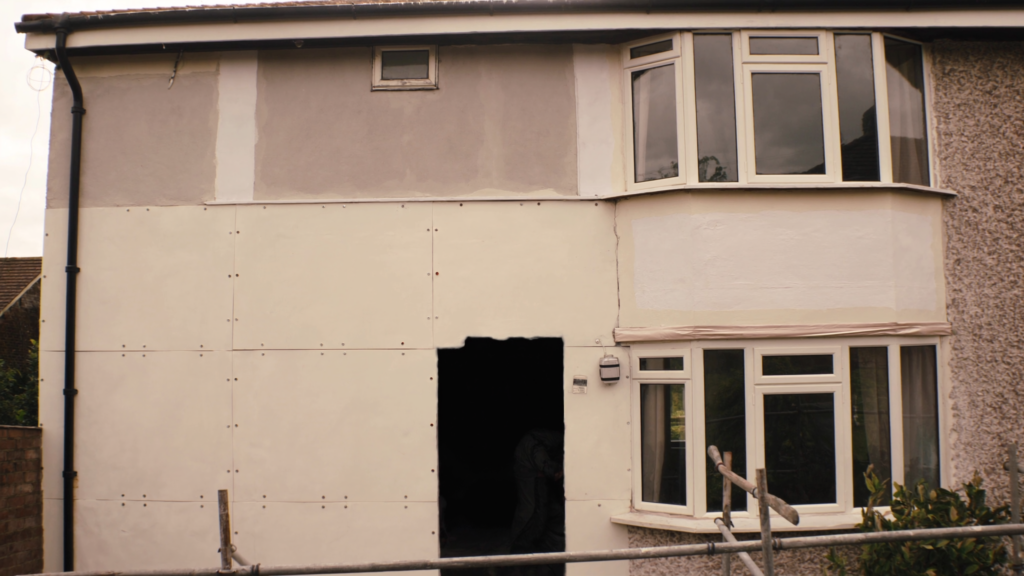
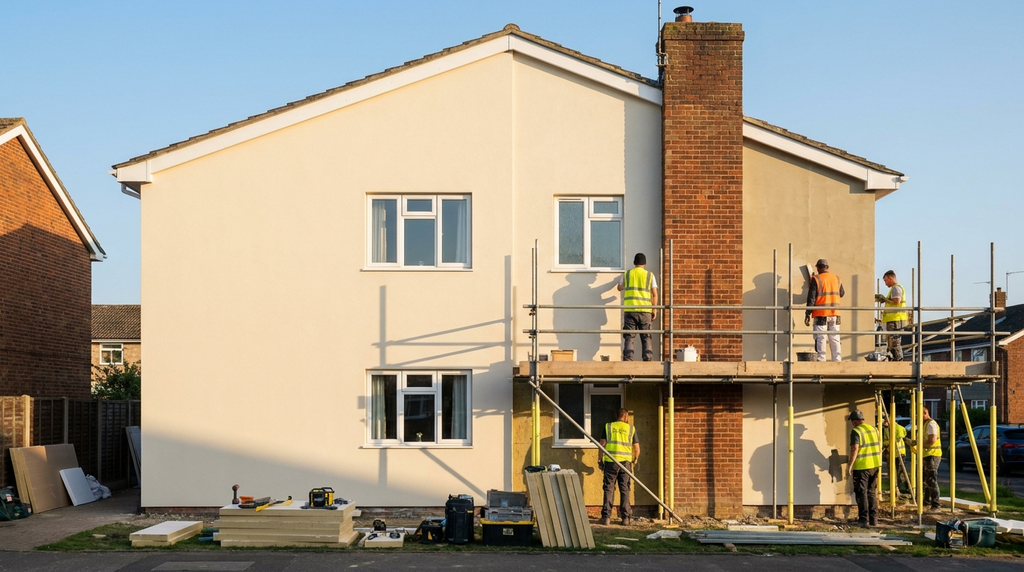
- Solid wall insulation (internal or external), Victorian terraces in Newtown, Katesgrove, and the Oxford Road corridor typically have solid brick walls with no cavity. Internal wall insulation costs £4,000 to £8,000 for a typical terrace; external costs £8,000 to £15,000. Annual savings of £200 to £500 are typical, so payback is longer, but comfort improvements are dramatic.
- Underfloor insulation, Suspended timber floors, common in Reading’s Victorian stock, can be insulated from below for £800 to £1,500, saving around £60 to £100 per year and making a noticeable difference to draughts.
- Double or triple glazing, If you still have single-glazed sash windows (not unusual in the Newtown conservation area), upgrading to double glazing saves £120 to £200 per year. Note that conservation area rules in Reading may require like-for-like replacements or specific frame styles, check with Reading Borough Council’s planning team first.
Grants and Funding Reading Residents Can Actually Get in 2026
The funding landscape in 2026 is genuinely more useful than many homeowners realise. Here’s what’s actually available to Reading residents right now.
The Great British Insulation Scheme
This national scheme funds insulation improvements for homes rated Band D or below, which covers the majority of Reading properties. If your household income is under £36,000, you’re likely to qualify for fully funded loft and cavity wall insulation. Even above that threshold, a contribution grant is available. Apply through your energy supplier or via the government’s official scheme portal.
The Boiler Upgrade Scheme
If you’re switching from gas to an air source heat pump, the Boiler Upgrade Scheme provides a £7,500 grant paid directly to your installer, meaning you never see the money change hands, it just comes off your quote. Ground source heat pumps attract the same £7,500. There are no income restrictions, but you need a valid EPC with no outstanding loft or cavity wall insulation recommendations to qualify.
ECO4 Funding
The Energy Company Obligation (ECO4) scheme funds comprehensive retrofit packages, insulation, heating, and sometimes solar, for low-income households or those on qualifying benefits. Reading Borough Council has an active referral relationship with ECO4 obligated suppliers, and residents in wards like Whitley, Katesgrove, and Coley have historically received strong support through this route. Contact Reading Borough Council’s housing team or Citizens Advice Reading to check eligibility.
Reading Borough Council Retrofit Support
Reading Borough Council runs its own advice and referral service for homeowners seeking retrofit support, linked to Berkshire-wide programmes. The council’s climate team can signpost you to local funding streams, trusted installers, and free home energy assessments. It’s worth a call before you commission any work.
Finding Good Installers Around Reading
Reading has a healthy installer market, partly because it sits at the centre of a busy cluster of towns, companies typically cover Reading, Wokingham, Henley-on-Thames, Bracknell, and Marlow as a natural working patch. That competition is good for you as a homeowner, but the proximity to London does mean some of the busiest firms have long waiting lists, particularly for heat pump installations.
Here’s what to look for and watch out for.
- MCS certification is non-negotiable for solar PV and heat pump installers, without it, you can’t claim the Boiler Upgrade Scheme grant or Smart Export Guarantee payments. Always check the MCS installer database at mcscertified.com before accepting a quote.
- CHAS or TrustMark registration is important for insulation and general retrofit work, especially if you’re using grant funding, many schemes now require TrustMark-accredited installers.
- Get three written quotes for any job over £2,000. In Reading’s competitive market, quotes for the same job can vary by 20% or more.
- Ask about local experience specifically, installers who regularly work on Victorian terraces in Reading will understand party wall issues, older roof structures, and conservation area requirements far better than a London-based firm coming out for a one-off job.
- Watch for pressure selling, any installer offering a “today only” discount or pushing you to sign before you’ve had time to compare quotes should be avoided.
Typical waiting times in the Reading area in 2026 are around 4 to 8 weeks for solar installation and 8 to 16 weeks for heat pumps given ongoing demand. Plan ahead if you want work done before the winter.
Your Step-by-Step Upgrade Plan for a Typical Reading Home
If you’ve got a Band D semi-detached or terraced property in Reading and you’re not sure where to begin, here’s a practical roadmap that prioritises the best returns first.
- Get a free EPC and home energy assessment, If your EPC is more than five years old, get a new one. Reading Borough Council can signpost you to accredited assessors. This tells you exactly which improvements will have the most impact on your specific home.
- Sort your loft insulation first, It’s the cheapest, fastest improvement with the shortest payback. The Great British Insulation Scheme closed on 31 March 2026. It funded insulation measures only and never covered windows or glazing. Do this before anything else.
- Fill any unfilled cavities, If your home was built between 1930 and 1995 and is in Whitley, Southcote, Earley, or similar post-war areas, the chances are your cavity walls are unfilled. This is a low-cost, high-impact job. Again, check grant eligibility first.
- Install solar panels, Once your insulation is sorted (because an insulated home uses the solar generation more efficiently), a 4 kW system is the sweet spot for most Reading semis