Why Wokingham Homeowners Are Sitting on a Real Eco Opportunity
Wokingham has a bit of a dual personality for housing. The old market town centre, with its timber-framed buildings around the Market Place and Rose Street, sits alongside vast swathes of postwar and modern suburban development spreading out towards Finchampstead, Woosehill, and the Emmbrook estate. Most of the town’s homes were built between the 1950s and the 1990s, which means solid brick construction but often patchy insulation and ageing heating systems that are ripe for upgrading.
What makes Wokingham particularly interesting for eco improvements is the combination of high property values and excellent solar conditions. South-facing roofs in Hillside Road, Norreys Avenue, or the newer developments around Montague Park get some of the strongest solar irradiance in the whole country. Pair that with Berkshire’s above-average installer market and the fact that Wokingham Borough Council has its own climate action commitments, and this is genuinely a great moment to act. You can read about the wider county picture on our eco homes in Berkshire page.
How Energy Efficient Are Wokingham Homes Really
The headline figure is encouraging, Wokingham’s average EPC rating is Band C, which puts the town ahead of both the South East average and the national average of Band D. In plain terms, that means most homes here are already reasonably well insulated and have modern-ish boilers.
But “Band C” covers a wide range. A home at the top of Band C (around 75 points) might spend £1,100–£1,300 a year on energy. A home scraping in at the bottom of Band C (around 55 points) could be paying closer to £1,800–£2,000. The question isn’t whether your home is average, it’s whether you can push it from good to genuinely excellent.
Compared to Bracknell six kilometres away, where a higher proportion of ex-social housing sits in Band D and E, Wokingham homeowners start from a stronger base. But that also means the big cheap wins, like cavity wall insulation, may already be done. The gains available now tend to require a bit more investment, but they also deliver more dramatic bill reductions when you make the jump to low-carbon heating or solar generation.
- Band C homes in Wokingham typically use around 10,300 kWh of gas and 2,900 kWh of electricity per year
- At current tariff rates, that’s roughly £1,400–£1,600 in annual energy costs
- A well-executed upgrade programme could realistically cut that to under £700 for many detached and semi-detached properties
Solar Panels in Wokingham, the Numbers Actually Stack Up Brilliantly Here
Wokingham sits in one of the best solar belts in the UK. With 1,200–1,500 sunshine hours per year and solar irradiance of around 1,100–1,200 kWh per square metre annually, you’re getting conditions comparable to parts of northern France. The flat-to-gently-rolling terrain around areas like Earley, Shinfield, and the Loddon Valley means roofs rarely suffer from significant shading from hills.
The most common housing types here, detached and semi-detached homes, tend to have generous roof space, often with a good south or south-west aspect. The 1970s and 1980s estates around Woosehill and Emmbrook are particularly well-suited, with pitched roofs at a near-ideal 30–35 degree angle.
One thing to be aware of is Wokingham’s conservation area coverage. The town centre and parts of Holt Lane area have conservation designations, and if your property is listed or within a designated area, you may need to consult Wokingham Borough Council’s planning team before installing panels. Permitted development rights usually still apply in most residential streets, but it’s always worth a quick check before signing a contract.
| System Size | Typical Install Cost (2026) | Annual Generation (Wokingham) | Annual Bill Saving | Payback Period |
|---|---|---|---|---|
| 3 kW (10–11 panels) | £5,500–£6,500 | ~2,700 kWh | £550–£700 | 9–11 years |
| 4 kW (13–14 panels) | £7,000–£8,500 | ~3,600 kWh | £720–£900 | 9–11 years |
| 6 kW (20 panels) | £9,500–£11,500 | ~5,400 kWh | £1,050–£1,300 | 8–10 years |
Adding a battery storage system (typically £3,500–£5,500 extra) dramatically improves the value of solar in a town like Wokingham, where many residents commute and use more energy in evenings than during the day. A 10 kWh battery can store surplus daytime generation for evening use, pushing your self-consumption rate from around 40% up to 70–80%.
Heating Choices That Actually Make Sense for Wokingham Homes
Wokingham’s climate is milder than people often expect. Winters here are relatively gentle, the Loddon Valley’s low-lying ground and Berkshire’s inland position mean fewer hard frosts than, say, Fleet or the higher ground towards the North Downs. This is actually good news for heat pump performance, because heat pumps work best in mild-to-moderate winter conditions.
Air source heat pumps (ASHPs) are increasingly popular on the larger detached properties in areas like Finchampstead and Barkham, where there’s garden space to site the external unit and good loft space for a hot water cylinder. Running costs depend heavily on your home’s insulation, but a well-installed ASHP in a Wokingham detached home typically costs £900–£1,300 per year to run, compared to £1,200–£1,600 for a gas boiler in the same home.
Ground source heat pumps (GSHPs) are more efficient still, but they need substantial garden space for ground loops, ideally 200–400 square metres. They’re a realistic option on the larger plots in Finchampstead village or the rural edges near Arborfield, but less practical for typical semi-detached homes on the Emmbrook or Woosehill estates.
Here’s a quick comparison for a typical four-bedroom detached Wokingham home:
| Heating System | Install Cost | Annual Running Cost | Carbon Emissions |
|---|---|---|---|
| Gas boiler (modern condensing) | £2,500–£3,500 | £1,200–£1,600 | Medium |
| Air source heat pump | £8,000–£14,000 (after BUS grant) | £900–£1,300 | Low |
| Ground source heat pump | £18,000–£28,000 (after BUS grant) | £700–£1,100 | Very low |
One honest caveat, if your home still has single glazing, poor loft insulation, or uninsulated solid walls, get those sorted before investing in a heat pump. Heat pumps run at lower flow temperatures than gas boilers and need your home to hold heat well to perform efficiently.
Where to Start with Insulation in Wokingham
Given that most Wokingham homes are already at Band C, the low-hanging fruit like basic cavity wall fill has often already been addressed. But there’s still meaningful work to do, and the right order matters.
- Loft insulation top-up, Many 1970s–1980s homes in Woosehill and Emmbrook have 100mm of loft insulation when current best practice is 270mm. Topping up costs £300–£600 for a typical semi and can save £150–£250 per year. Fastest payback of anything on this list.
- Cavity wall insulation (if not already done), Detached homes in Finchampstead or Barkham built before 1990 often have unfilled cavities. Cost is typically £600–£1,200 for a semi, saving £200–£300 per year.
- Underfloor insulation, Suspended timber floors are common in pre-1960s properties near the town centre. Insulating underneath costs £800–£1,500 and saves around £100–£200 per year.
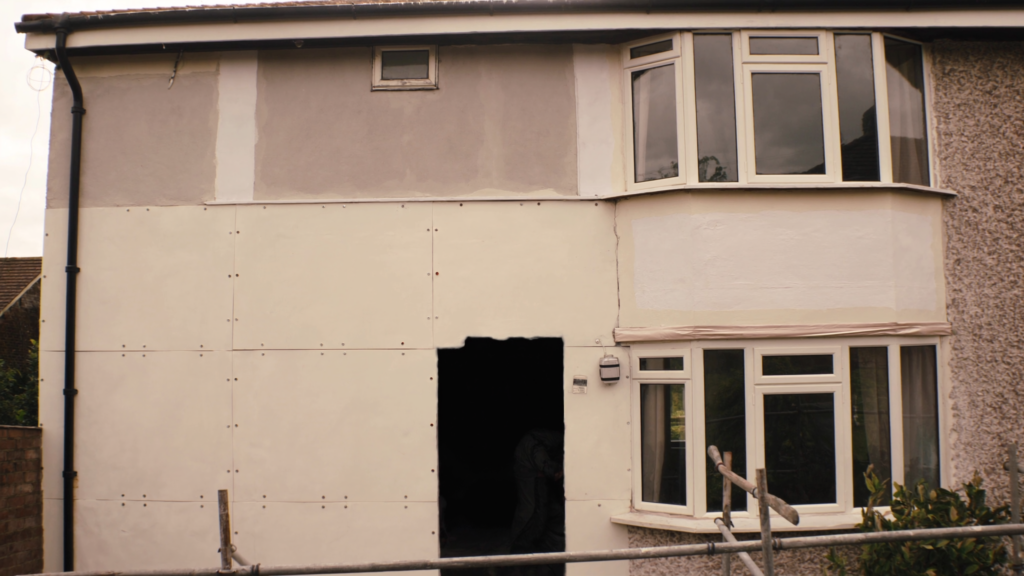
- Solid wall insulation, If your home has solid brick walls (common in the older parts of Wokingham town centre and around Peach Street), external or internal wall insulation is the biggest single thermal upgrade available. External insulation costs £8,000–£20,000 for a semi but can save £400–£600 per year.
- Double or triple glazing, If you still have older double glazing (pre-2005), upgrading saves around £100–£200 per year and costs £4,000–£9,000 for a typical semi.
Grants and Funding Wokingham Residents Can Actually Access in 2026
This is where it gets genuinely useful, because the grants available in 2026 are more accessible than many people realise.
The Boiler Upgrade Scheme (BUS) gives you £7,500 off the installed cost of an air source heat pump or £7,500 off a ground source heat pump. There’s no income requirement, any homeowner in England can apply. Your installer handles the application on your behalf, and the grant is deducted from your invoice. Given Wokingham’s property values, the maths often work well here.
The Great British Insulation Scheme is means-tested and focuses on homes in Council Tax bands A–D with an EPC below Band C. This may feel like it rules out many Wokingham homes, but properties at the lower end of Band C, especially older semis with solid walls or poor loft insulation, can still qualify depending on household income.
ECO4 (Energy Company Obligation) targets lower-income households and homes with poor EPC ratings. If your household receives certain benefits, your energy supplier may fund insulation or heating upgrades entirely at no cost to you.
Wokingham Borough Council has its own net-zero commitments and has previously administered retrofit schemes in partnership with neighbouring authorities in Berkshire. It’s worth checking directly with the council’s housing team, schemes open and close through the year, and a phone call can save you thousands.
- Check eligibility at gov.uk/apply-boiler-upgrade-scheme for the BUS
- Contact Wokingham Borough Council’s housing team for local retrofit support
- Ask your energy supplier directly about ECO4, you don’t need to wait for them to contact you
- Installers registered with TrustMark and MCS can access most grant schemes on your behalf
Finding Good Installers Around Wokingham
Wokingham sits in a well-served installer corridor, companies based in Reading (11km), Bracknell (6km), and Fleet (14km) all regularly quote for jobs here. That means genuine competition, which helps keep prices fair. However, proximity to London means the best installers do sometimes prioritise larger London contracts, so booking well ahead is wise, especially for spring solar installations.
For solar panels, always use an installer certified with MCS (Microgeneration Certification Scheme), this is non-negotiable if you want to access the Smart Export Guarantee and get paid for energy you export back to the grid. For heat pumps, the same MCS requirement applies, plus look for membership of the Heat Pump Association.
For insulation, TrustMark registration is the key quality marker, especially if you’re planning to use any grant funding, most schemes require TrustMark-registered contractors.
Practical tips for getting good quotes in Wokingham
- Get at least three written quotes, prices for solar and heat pumps vary by up to 30% between installers
- Ask each installer how many jobs they’ve completed in the Wokingham area, local experience matters
- Be cautious of anyone who quotes over the phone without visiting, a proper site survey is essential for heat pumps and solar alike
- Check reviews on Trustpilot and Which? Trusted Traders, not just the installer’s own website
- For solar, ask to see actual generation data from similar local installations, this weeds out optimistic salespeople
- Current waiting times for MCS-certified solar installers in the Berkshire area run to 6–14 weeks, don’t be rushed into signing quickly
Your Practical Upgrade Roadmap for a Wokingham Home
If you own a typical three or four-bedroom detached or semi-detached home in Wokingham, say, on the Woosehill estate, in Finchampstead, or around Emmbrook, here’s the order that makes the most financial sense.
- Start with a home energy assessment, An accredited assessor can give you an updated EPC and a detailed breakdown of where your heat is going. Cost is around £100–£150 and well worth it before spending thousands.
- Sort your insulation first, Top up loft insulation to 270mm if it’s thinner. Check whether your cavity walls are filled. These are cheap wins with fast payback that also make every other upgrade work better.