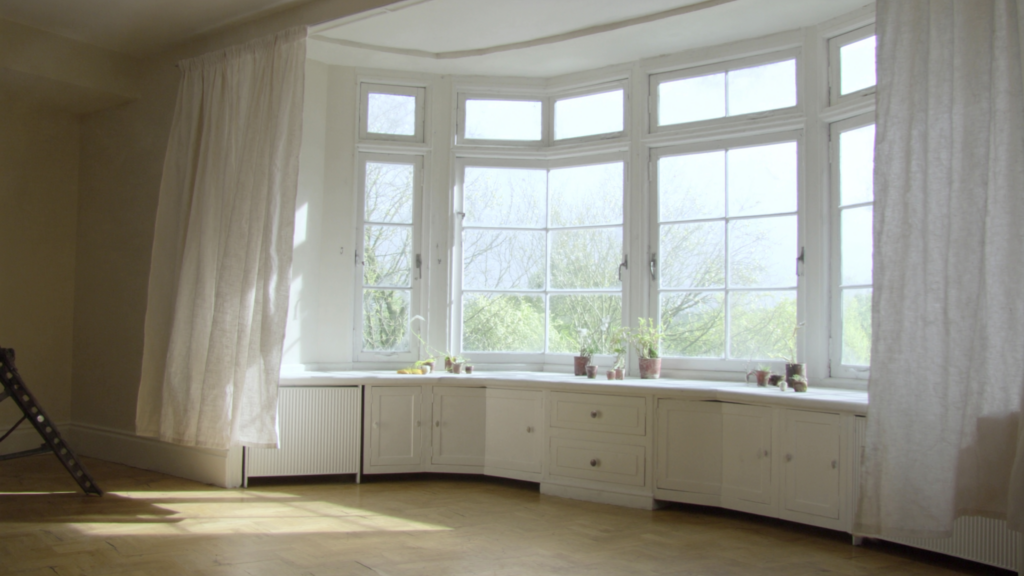
What is solar control glass?
Solar control glass is a window coating or tint that reduces heat gain from sunlight while keeping the room bright. It is not the same as standard double glazing or privacy film.
Solar control glass typically costs £200-£500 per m2 installed and reduces heat gain by 40-60% compared with standard double glazing. It keeps rooms bright while lowering summer temperatures.
- Solar control glass cuts heat gain by 40-60% vs standard double glazing.
- G-value between 0.20 and 0.40 means less solar heat enters.
- Light transmission stays at 50-70% so rooms remain naturally lit.
- Costs £200-£500 per m2 installed depending on glass type.
- Check product datasheets for g-value and LT before buying.
- What is solar control glass?
- How solar control glass reduces heat gain the g-value and light transmission numbers you need to know
- Quick numbers typical cost, payback, and performance ranges for solar control glass in a UK home
- The direct answer is solar control glass worth it for a UK home in 2026?
- How to verify a solar control glass installer MCS certification, FENSA registration, and product standards
- How solar control glass compares with alternatives external blinds, internal blinds, and solar control film
- Building Regulations and planning permission when solar control glass affects compliance in the UK
Solar control glass works by reflecting or absorbing infrared radiation before it passes through the pane. This lowers indoor temperatures in summer without blocking all visible light. The key difference from standard low-E (low-emissivity) glass is that low-E glass is built to retain heat indoors in winter, whereas solar control glass specifically targets solar heat gain year-round.
Solar control glass can be fitted as a coating on existing double glazing or as a replacement sealed unit. It is most effective when specified at the point of new window installation. Homeowners should expect a visible tint, usually light grey, bronze, or blue, that reduces glare and UV fading of furnishings, though the exact appearance varies by product.
How solar control glass reduces heat gain the g-value and light transmission numbers you need to know
The g-value (solar heat gain coefficient) measures the fraction of solar energy that passes through the glass. A lower g-value means less heat enters the room. Typical solar control glass has a g-value between 0.20 and 0.40, compared with standard double glazing which is usually 0.60–0.70 (BFRC data tables, 2026).
Light transmission (LT) is the percentage of visible light that passes through. Most solar control products achieve LT of 50–70%, so the room remains naturally lit. The selective solar control coating reflects near-infrared heat while allowing visible light through, which is why rooms feel cooler without becoming dark. Homeowners should compare both g-value and LT on the product datasheet, a very low g-value with very low LT may make rooms feel gloomy in winter.
Quick numbers typical cost, payback, and performance ranges for solar control glass in a UK home
| Metric | Standard double glazing (no solar control) | Solar control double glazing | Solar control triple glazing |
|---|---|---|---|
| Cost per m² (supply and fit, replacement sealed unit) | £200–£350 | £300–£600 | £400–£800 |
| Cost per m² (new window, factory-fitted coating) | £250–£400 | £350–£650 | £450–£900 |
| Typical g-value range | 0.60–0.70 | 0.20–0.40 | 0.15–0.35 |
| Typical light transmission range | 70–80% | 50–70% | 45–65% |
| Estimated energy bill saving per year (south-facing room) | £0 | £15–£30 | £20–£40 |
| Payback period estimate (years) | N/A | 5–10 | 8–15 |
Costs vary by frame material (uPVC, timber, aluminium) and whether the coating is applied to one or both panes. The table assumes uPVC frame and coating on the outer pane only (Glass and Glazing Federation member price surveys, 2026; Energy Saving Trust modelled savings, 2026).
The direct answer is solar control glass worth it for a UK home in 2026?
Yes, for south- and west-facing rooms that overheat in summer, but not for north-facing rooms or homes with very good external shading (e.g., deep eaves, awnings, deciduous trees). The Energy Saving Trust estimates that solar control glass can reduce peak indoor temperatures by 3–5°C on a hot summer day, cutting the need for air conditioning or fans (EST report “Solar Control Glazing in UK Homes”, 2026).
In winter, the coating does not significantly reduce passive solar heating because the sun is lower and less intense. The net effect is a reduction in summer cooling costs without a major winter penalty. The payback period is typically 5–10 years for a south-facing room that currently overheats, but the primary benefit is comfort and reduced glare, not a cash saving on heating bills. For homes built after 2020 with high insulation levels, solar control glass may not be needed unless the room has large unshaded glazing.
Compare solar control glass with standard double glazing options
How to verify a solar control glass installer MCS certification, FENSA registration, and product standards
For new windows, the installer must be registered with FENSA or CERTASS to self-certify compliance with Building Regulations Part L (conservation of fuel and power). This covers the thermal performance of the whole window unit, not just the glass (Building Regulations Part L, 2026). Solar control glass itself does not require separate MCS certification, MCS applies to renewable energy systems, not windows.
The glass manufacturer should provide a product datasheet with a BFRC energy rating and a Declaration of Performance (DoP) under the Construction Products Regulation (CPR). Ask the installer for these documents. Check that the installer is a member of the Glass and Glazing Federation (GGF) and offers a minimum 10-year guarantee on the sealed unit (standard industry warranty). For retrofitting solar control film (not a sealed unit), the installer should be a member of the Window Film Association (WFA) and the film must carry a UV protection rating of 99%+ to avoid voiding the glass warranty.
How solar control glass compares with alternatives external blinds, internal blinds, and solar control film
External blinds (e.g., roller shutters, awnings) block heat before it reaches the glass, achieving a g-value reduction of up to 0.10, but cost £200–£600 per window and require maintenance (GGF external shading product guide, 2026). Internal blinds (e.g., blackout roller blinds) reduce glare but do not stop heat entering the room, they trap heat between the blind and the glass, making the room warmer.
Solar control film is a DIY or professionally applied adhesive film that mimics the g-value of solar control glass (0.25–0.40) but typically has a shorter lifespan (5–8 years) and may void the glass warranty if applied to coated units. Solar control glass is the most durable option (20–30 year lifespan) and does not require maintenance, but it is more expensive upfront (£300–£600 per m² fitted) compared with film (£50–£150 per m² fitted). For homeowners who want to keep existing windows, solar control film is a lower-cost alternative, but it will not improve the U-value (thermal insulation) of the window, only a replacement sealed unit can do that.
Learn about solar control film vs glass for retrofit projects
Building Regulations and planning permission when solar control glass affects compliance in the UK
Replacing existing glass with solar control glass is a “controlled fitting” under Building Regulations. If the new unit changes the overall U-value of the window, the installer must ensure the whole window meets Part L minimum standards (1.6 W/m²K for replacement windows in 2026) (Building Regulations Part L, 2026). Solar control glass typically has a slightly lower U-value than standard double glazing (e.g., 1.2–1.4 W/m²K vs 1.4–1.6 W/m²K) because the coating also reduces heat loss, this can improve the window’s energy rating.
If the home is in a conservation area or a listed building, planning permission may be required because solar control glass has a visible tint. Check with the local planning authority before ordering. The installer should provide a Building Regulations compliance certificate (e.g., FENSA certificate) after installation, which is needed when selling the house. Solar control film applied to existing glass without replacing the sealed unit does not require Building Regulations approval, but it must not reduce the visible light transmission below 50% for rooms that require natural light (e.g., habitable rooms).
Frequently Asked Questions
Solar control glass is a coated or tinted window pane that reflects infrared heat while letting visible light through. Ofgem and Energy Saving Trust confirm it reduces summer overheating without darkening rooms.
Low-E glass retains indoor heat in winter, while solar control glass reduces solar heat gain year-round. The Energy Saving Trust advises choosing based on your main need: heat retention or cooling.
Installed costs range from £200 to £500 per square metre for a sealed unit. Prices vary by tint, coating type and frame, according to 2026 industry data.
Yes, most solar control glass blocks up to 99% of UV radiation, reducing fading of furnishings. MCS guidelines confirm this as a standard benefit.
Yes for south-facing rooms or conservatories where overheating is a problem. Payback comes from reduced cooling costs and improved comfort, though savings depend on your home's orientation.