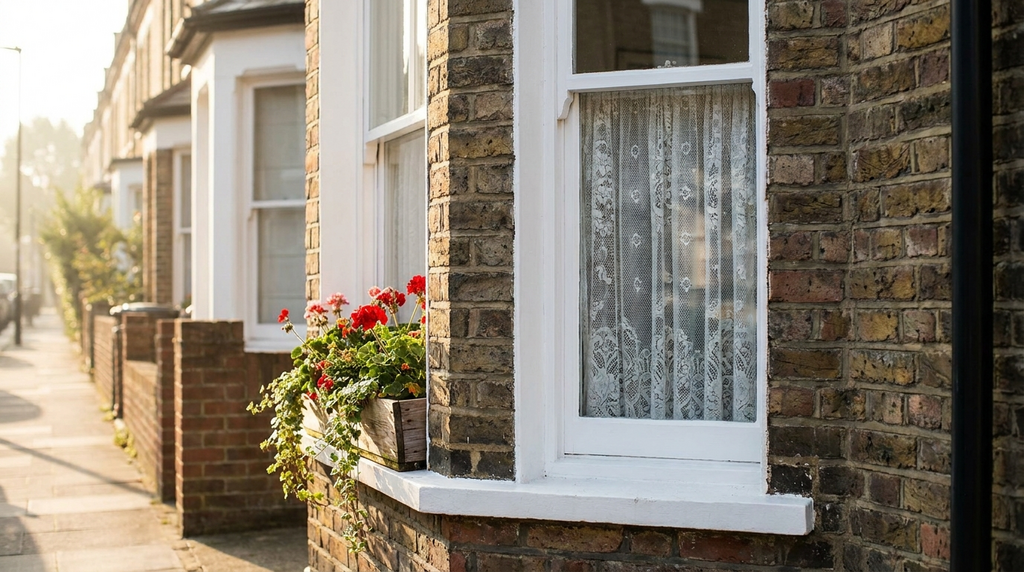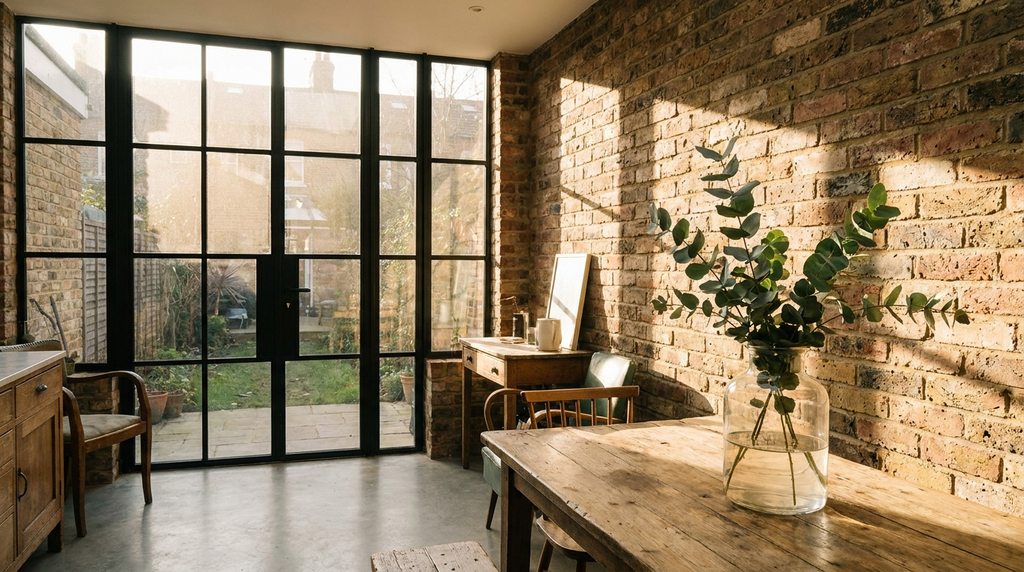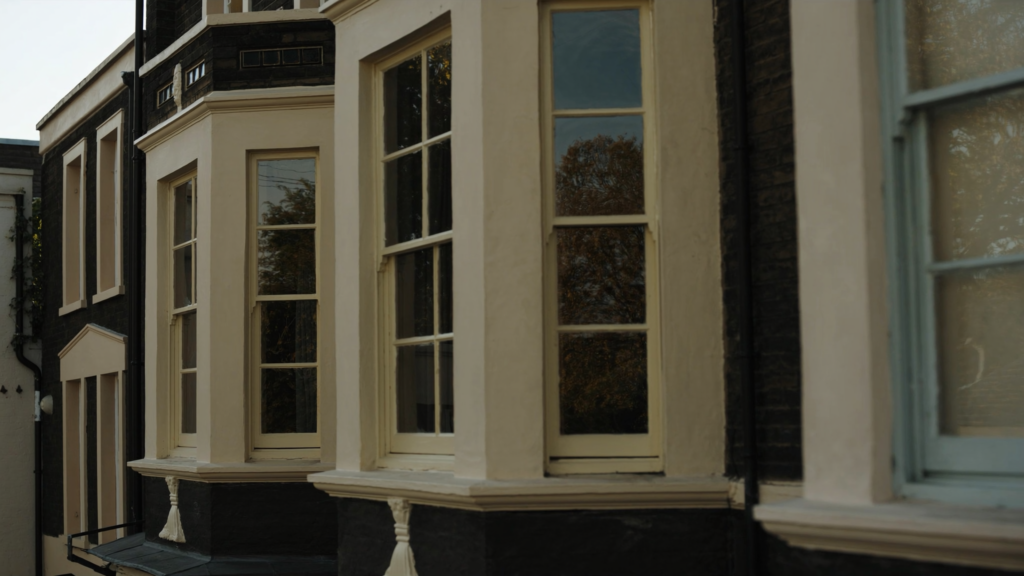
Double glazed windows mean two panes of glass separated by a sealed gap, typically filled with argon gas, which significantly reduces heat loss compared to single glazing. The Energy Saving Trust states that installing A-rated double glazing in a typical semi-detached home can save around £195 per year on heating bills (Energy Saving Trust, 2026). This design creates an insulating barrier that slows thermal transfer, making your home warmer and quieter.
The core variable is the width of the gap between the panes and the gas used. A 12mm to 20mm gap filled with argon or krypton gas gives the best performance. Double glazing applies to most existing homes, but if your windows are listed building or in a conservation area, permitted development rights may restrict replacements. It does not apply if you have secondary glazing (a separate pane fitted internally) or triple glazing (three panes).
How double glazing reduces heat loss
The sealed unit traps a layer of insulating gas between the two glass panes. This slows conduction and convection, cutting heat loss through windows by up to 50% compared to single glazing. The British Fenestration Rating Council (BFRC) rates windows on a scale from A++ to G, with A-rated double glazing achieving a U-value of around 1.2 W/m²K or lower (BRE, 2026). A lower U-value means better insulation, directly lowering your energy bills.
Typical cost and savings from double glazing
Replacing all windows in a three-bedroom semi-detached house with standard double glazing costs between £3,000 and £5,500, including installation, according to the Energy Saving Trust (Energy Saving Trust, 2026). Annual savings of £195 mean you typically recoup the cost in 15 to 28 years. However, if you install energy-efficient double glazing with a low-emissivity coating and warm-edge spacer bars, payback can be quicker due to higher savings.
Regulation requirements for double glazing
Building Regulations Part L in England and Wales set minimum standards for replacement windows. Any new double glazing must achieve a U-value of 1.6 W/m²K or lower, or a Window Energy Rating of at least band C (gov.uk, 2026). Installers must be registered with a competent person scheme such as FENSA or CERTASS to self-certify compliance. Non-compliant installations can cause legal issues when selling your home and reduce energy efficiency.
A worked example
A 1930s semi-detached house in Manchester with original single-glazed sash windows could save around £195 per year on heating bills after upgrading to A-rated double glazing. The Energy Saving Trust estimates this saving for a typical gas-heated semi-detached home, based on replacing all single-glazed windows with A-rated double glazed units. Glazing is standard-rated for VAT at 20%. The zero rate for energy-saving materials covers insulation, heat pumps and solar panels; HMRC names secondary and double glazing as excluded (VAT Notice 708/6). If the household qualifies for the ECO4 scheme or a local authority grant, that figure could drop further. Over 25 years, the total saving on energy bills would reach approximately £4,875, meaning the windows pay for themselves within 28 years when considering the full cost without grants. For a more detailed breakdown tailored to your property, visit the Energy Saving Trust website.
| Item | Figure |
|---|---|
| Upfront cost after grants | £5,400 |
| Yearly savings | £195 |
| Payback period | 28 years |
| 25-year lifetime savings | £4,875 |
What homeowners often get wrong
The most common mistake is assuming double glazed windows mean the same thing as double glazing, leading to confusion over which product to buy. Here are three frequent errors that can cost you money or waste your time.
- Assuming all double glazing is the same Many homeowners think any double glazed unit offers identical performance. The truth is that the U-value, gap width (12mm to 20mm is best), and gas fill (argon or krypton) vary hugely, and an A-rated window can save three times more energy than a C-rated one. Choosing a low-rated unit could mean missing out on up to £130 per year in potential savings.
- Ignoring listed building or conservation area rules People often buy double glazing without checking planning permission. If you live in a listed building or conservation area, replacing original single-glazed windows with modern double glazed units may be prohibited. You risk a fine of up to £20,000 and being forced to undo the work, which is a costly mistake.
- Thinking double glazing eliminates condensation completely Some homeowners believe double glazed windows will stop all moisture on the glass. While they reduce internal condensation compared to single glazing, they can still get misted up if the seal fails or the room is very humid. A failed seal means the argon gas leaks out, drastically reducing performance and potentially voiding the warranty, costing £150 to £300 per window to repair.
Quick reference
- Double glazed windows typically have a U-value between 1.2 and 2.0 W/m²K, compared to 4.8 W/m²K for single glazing.
- The BUS grant offers up to £7,500 for heat pump installations, but does not directly cover window upgrades unless part of a broader home energy project.
- To qualify for ECO4 funding for windows, your home must have an Energy Performance Certificate rating of E, F, or G and you must receive a qualifying benefit.
- A-rated double glazing can reduce heat loss through windows by up to 50% compared to single glazing, saving a typical semi-detached home around £195 per year.
- Fitting double glazing in a conservation area without permission can lead to enforcement action and a requirement to reinstate original windows at your own cost.
Frequently Asked Questions
Double glazed windows mean two panes of glass separated by a sealed gap, usually filled with argon gas. The Energy Saving Trust confirms this design cuts heat loss by up to 50% compared to single glazing.
Installing A-rated double glazing in a typical semi-detached home can save around £195 per year on heating bills, according to the Energy Saving Trust (2026). Actual savings depend on your home size and existing windows.
You may need planning permission if your home is a listed building or in a conservation area. GOV.UK advises checking with your local council before replacing windows in these cases.