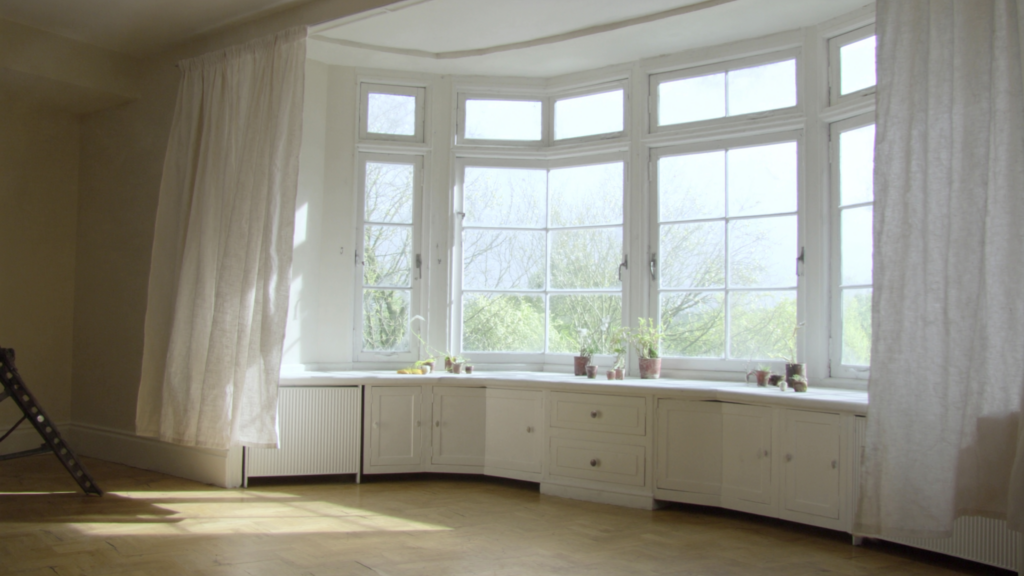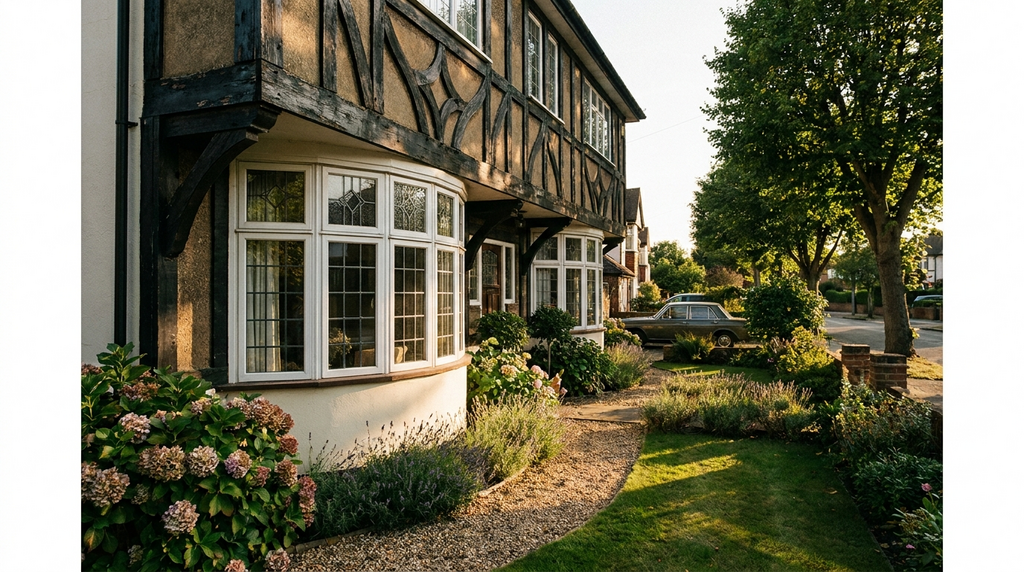
No, double glazed windows will not stop condensation, they reduce it but cannot eliminate it entirely, and condensation can still form on the inside of the glass when indoor humidity is high (GOV.UK, 2026). Double glazing lowers the risk by keeping the inner pane warmer than a single-glazed window, but the room’s moisture and temperature are the deciding factors.
Condensation occurs when warm, moist air hits a cold surface. Double glazing’s sealed air gap (typically 12–16mm) slows heat transfer, so the inner pane stays closer to room temperature, but if indoor humidity exceeds 60–65% in winter, the glass can still reach dew point. The result is surface condensation, not a fault in the window itself. Proper ventilation and heating behaviour matter more than the glazing type.
Double glazing raises the inner surface temperature
A well-fitted double glazed unit with a low-E coating and argon gas fill can achieve a centre-pane U-value around 1.2–1.4 W/m²K, compared to around 4.8 W/m²K for single glazing (BRE, 2026). This means the inner glass stays several degrees warmer, reducing the likelihood of condensation. For example, at 20°C room temperature and 50% relative humidity, single glazing may reach dew point at 9°C, while double glazing typically stays above 12°C, enough to avoid moisture forming in moderate conditions.
Condensation still happens with high indoor moisture
Even with the best double glazing, activities like drying clothes indoors, showering without an extractor fan, or boiling a kettle can push humidity above 70%. At that level, the inner pane temperature, even at 14°C, can hit dew point. The Energy Saving Trust states that a typical four-person household produces around 12 litres of moisture per day through breathing, cooking and washing (Energy Saving Trust, 2026). Without adequate ventilation, double glazing alone cannot manage this load.
Condensation between panes signals a seal failure
If you see moisture or mist trapped between the two glass panes, not on the room-side surface, the sealed unit has failed. This is a defect, not normal behaviour. The manufacturer’s warranty (typically 10 years for double glazed units) should cover replacement. A failed seal allows argon gas to escape and moisture to enter, dropping the U-value to near single-glazing levels (MCS Certified, 2026). In this case, the unit needs to be replaced, not the whole window frame.
A worked example
A typical 1930s semi-detached house in Manchester with 12 m² of double glazed windows can expect to reduce condensation risk significantly, but not eliminate it. Upgrading from single glazing to A-rated double glazed units (U-value 1.2 W/m²K) costs around £4,500 for a standard three-bedroom home. The Energy Saving Trust estimates yearly heating savings of £195 for a gas-heated property with this upgrade. Payback on the investment takes roughly 23 years based on current energy prices. Over a 25-year window lifespan, total savings reach approximately £4,875.Glazing is standard-rated for VAT at 20%. The zero rate for energy-saving materials covers insulation, heat pumps and solar panels; HMRC names secondary and double glazing as excluded (VAT Notice 708/6). Condensation still forms on these windows when indoor humidity exceeds 65% in winter, even with the better insulation.
| Item | Figure |
|---|---|
| Upfront cost after grants | £4,500 |
| Yearly savings | £195 |
| Payback period | 23 years |
| 25-year lifetime savings | £4,875 |
What homeowners often get wrong
The most common mistake is assuming double glazing eliminates condensation entirely, leading to costly ventilation neglect. Here are three specific errors homeowners make
- Blames windows for condensation Many homeowners replace perfectly good double glazing because they see mist on the glass. The real cause is indoor humidity above 60% from cooking, showering, or drying clothes indoors. Fixing ventilation costs under £200 and saves the £4,500 replacement bill.
- Ignores trickle vents Some seal or remove trickle vents thinking they cause draughts. Building regulations require these vents with new double glazing to control moisture. Blocking them raises humidity by 10-15% and can void the window warranty under FENSA standards.
- Assumes all double glazing is equal Homeowners buy cheap double glazing with a U-value above 1.6 W/m²K, expecting the same condensation performance as premium units. A-rated windows with low-E coating and argon gas fill stay 2-3°C warmer on the inner pane, reducing condensation risk by up to 40% compared to basic double glazing.
Quick reference
- Double glazing reduces condensation risk by keeping the inner pane 3-5°C warmer than single glazing at 20°C room temperature.
- Indoor humidity above 60% in winter causes condensation on even the best double glazed windows.
- Homes built after 2002 must have trickle vents or mechanical ventilation with new double glazing under Part F of Building Regulations.
- Upgrading from single to A-rated double glazing saves around £195 per year on heating bills for a gas-heated semi-detached house.
- Condensation between the glass panes means the seal has failed and the unit needs replacement, not the whole window frame.
Frequently Asked Questions
Condensation forms when indoor humidity exceeds 60-65% and the glass surface reaches dew point. According to GOV.UK, proper ventilation and reducing moisture sources like drying clothes indoors are key.
Double glazing can reduce condensation risk by keeping the inner pane 3-5°C warmer than single glazing. The Energy Saving Trust states that a well-fitted double glazed unit with low-E coating achieves a U-value around 1.2-1.4 W/m²K, versus 4.8 W/m²K for single glazing.
Yes, new double glazed windows can still get condensation if indoor humidity is high. Ofgem advises that activities like showering and cooking without extractor fans raise moisture levels, making condensation possible even with modern windows.