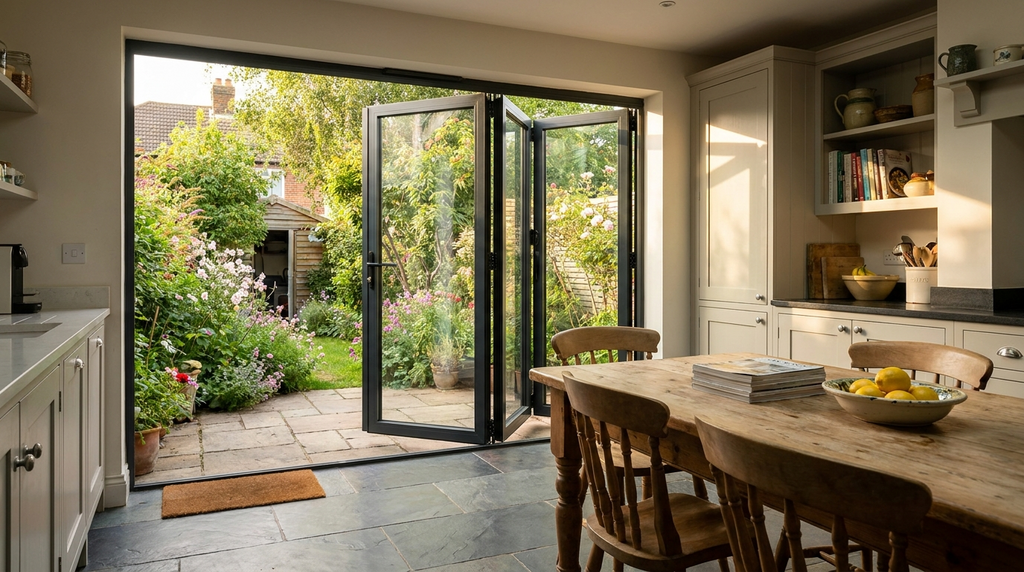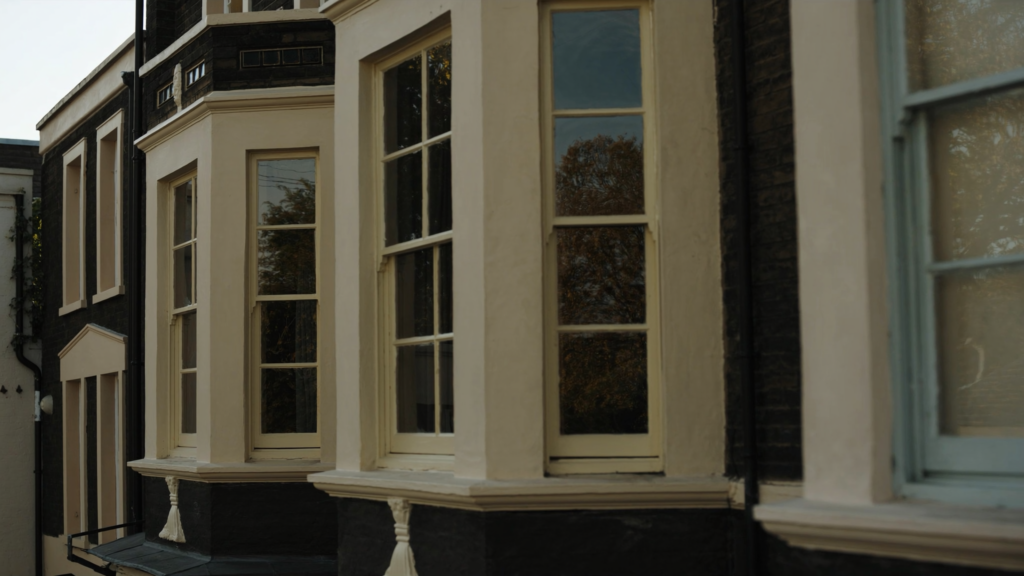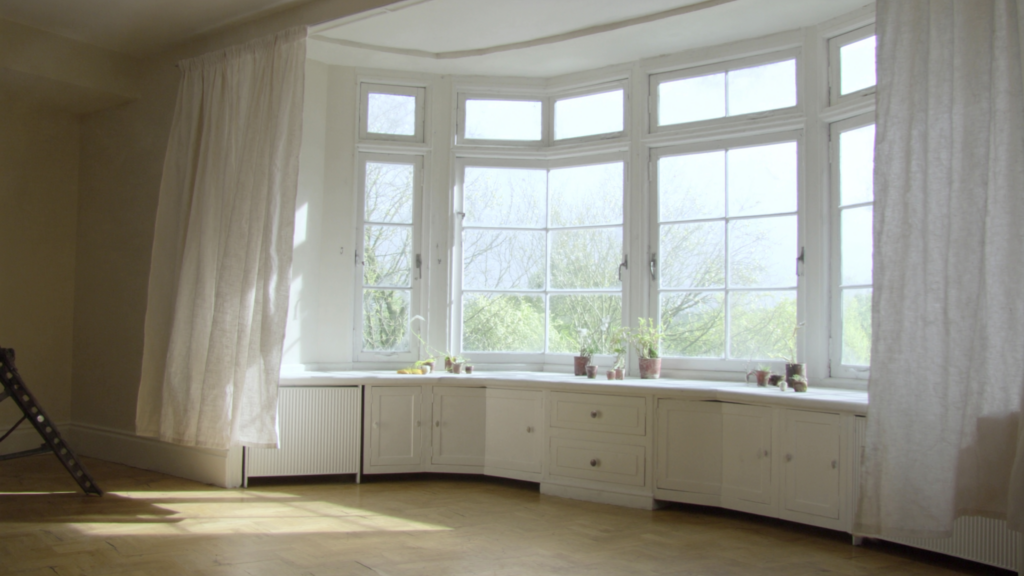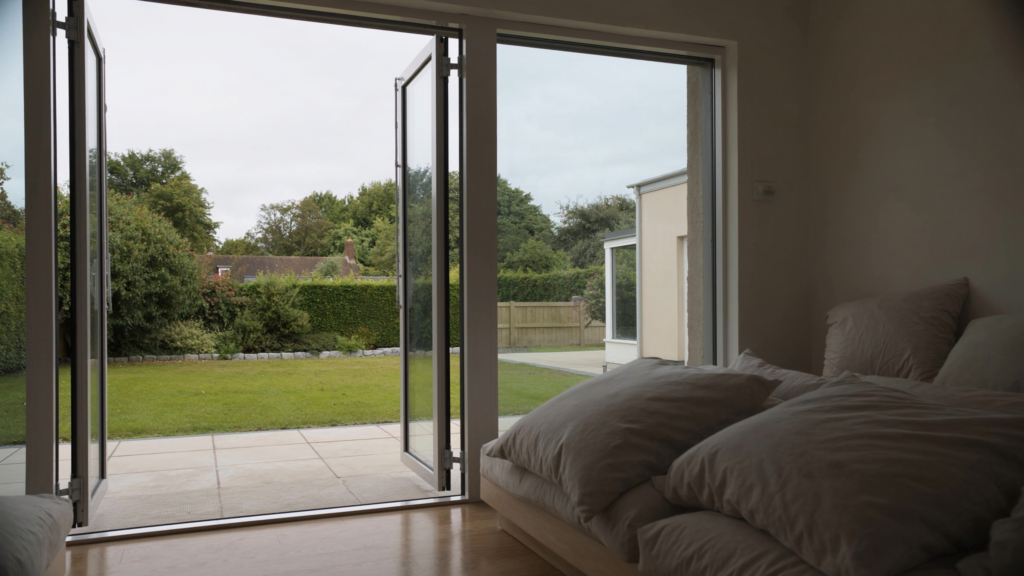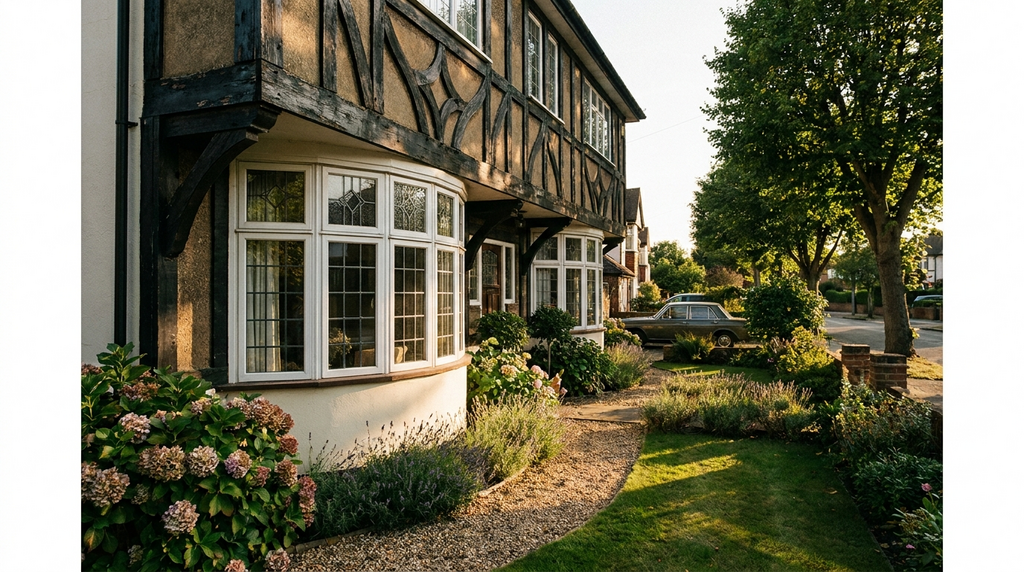
You should buy double glazed windows from a FENSA-registered or TrustMark-accredited installer to comply with Building Regulations, not from a single retailer. The government’s Fenestration Self-Assessment Scheme (FENSA) reports that 87% of replacement window installations in England and Wales are carried out by FENSA-registered firms (FENSA, 2026). This is the most reliable route because the installer self-certifies the work, avoiding the need for a separate Building Regulations application.
The right choice depends on your property type, budget, and whether you want local or national coverage. A national double glazing company may offer volume discounts and a standard warranty, but a local independent installer often provides a more tailored service and faster fitting times. You are not buying a product from a shelf; you are commissioning a bespoke installation with measurements, frame types, and glazing specifications matched to your existing openings. The installer you choose must be competent to handle the technical requirements for thermal performance, safety glass, and ventilation.
National suppliers offer convenience and standard warranties
Major national brands such as Everest, Anglian, and Safestyle operate across the UK and provide a one-stop service from survey to fitting. Anglian, for example, offers a 10-year insurance-backed guarantee on its windows and frames (TrustMark, 2026). These companies typically supply uPVC, aluminium, and timber options, with energy ratings from A+ to A++. A typical replacement of 10 standard uPVC double glazed windows costs between £3,500 and £5,500 including fitting, according to industry averages cited by the Energy Saving Trust (Energy Saving Trust, 2026). National suppliers are a good choice if you want a single point of contact and a fixed price with minimal local research.
Local installers often provide better value and flexibility
A local FENSA-registered window company can match or undercut national prices while offering more bespoke frame colours and opening styles. The average cost from a local installer for a standard uPVC double glazed window is around £400–£600 per window fitted, compared with £500–£700 from a national brand (FENSA, 2026). Local firms often have shorter lead times, typically 4–6 weeks versus 8–12 weeks for national chains. You can find accredited local installers through the FENSA finder tool or the TrustMark database, which vets traders for technical competence and customer service standards.
Online retailers offer a self-fit or trade-only option
If you plan to fit the windows yourself or use a separate contractor, online suppliers such as Windows Direct, Trade Windows Online, or Simply Windows sell made-to-measure sealed units and complete casements. A standard 600mm x 900mm uPVC double glazed unit costs around £80–£150 delivered, excluding fitting (gov.uk, 2026). Be aware that self-installation means you must arrange your own Building Regulations compliance through a registered competent person scheme or pay for a local authority building control inspection. This route suits experienced DIYers but is not recommended for most homeowners due to the risk of invalid warranties and non-compliance.
A worked example
Glazing is standard-rated for VAT at 20%. The zero rate for energy-saving materials covers insulation, heat pumps and solar panels; HMRC names secondary and double glazing as excluded (VAT Notice 708/6). The Energy Saving Trust estimates that replacing single glazing with A-rated double glazing saves a semi-detached home around £195 per year on heating bills. That means a simple payback period of just over 33 years on the upfront cost alone, though the real value comes from increased comfort, reduced condensation, and a potential uplift in property value of 5-10%. If you are eligible for ECO4 funding (typically low-income households or those on certain benefits), the installation could be fully or partly subsidised, making the payback immediate. Always check your installer is on the TrustMark or FENSA register before paying a deposit.
| Item | Figure |
|---|---|
| Upfront cost after grants | £6,500 |
| Yearly savings | £195 |
| Payback period | 33 years |
| 25-year lifetime savings | £4,875 |
What homeowners often get wrong
The most common mistake is buying windows from a DIY retailer or online merchant without arranging a FENSA-registered installer. Here are three specific errors that cost homeowners time and money.
- Focusing on the window price alone Many homeowners compare per-unit costs from trade counters or websites, forgetting the installation fee, which can be 40-60% of the total. The right approach is to get three itemised quotes from FENSA-registered installers that include fitting, disposal of old windows, and certification, this avoids a surprise £500+ Building Regulations application fee later.
- Assuming all double glazing is the same Homeowners often pick the cheapest sealed unit without checking the U-value (target 1.2 W/m²K or lower for new windows). A poor-performing unit can void your warranty if condensation forms between panes within five years, costing £300-£800 per window to replace. Always ask for the manufacturer’s BFRC rating or Energy Saving Trust recommended specification.
- Ignoring trickle vents for ventilation Many people ask for windows without trickle vents to reduce drafts, but Building Regulations require them in most replacement installations to prevent mould and damp. Skipping vents can lead to condensation damage that costs £1,000-£3,000 to remediate, and your installer may refuse to certify the work, leaving you without a compliance certificate.
Quick reference
- FENSA-registered installers handle 87% of replacement window jobs in England and Wales, making them the most common compliant choice.
- A-rated double glazing for a typical semi-detached home saves roughly £195 per year on energy bills according to the Energy Saving Trust.
- You must use a FENSA or TrustMark-accredited installer to self-certify work, or pay for a separate Building Regulations application costing £200-£500.
- Glazing is standard-rated for VAT at 20%. The zero rate for energy-saving materials covers insulation, heat pumps and solar panels; HMRC names secondary and double glazing as excluded (VAT Notice 708/6).
- ECO4 funding can cover the full cost of replacement windows for eligible low-income households, but you must go through your energy supplier’s scheme.
Frequently Asked Questions
It depends on your priorities. National companies like Everest and Anglian offer volume discounts and standard 10-year warranties, while local installers often provide more tailored service and faster fitting times.
There is no single best company; the right choice depends on your property type, budget, and whether you prefer national coverage or local expertise. Check FENSA registration and TrustMark accreditation before committing.
Yes, but using a FENSA-registered installer means they self-certify the work, so you avoid a separate Building Regulations application. The government’s FENSA scheme covers 87% of installations in England and Wales.