Secondary glazing costs roughly a third of full replacement double glazing, around £200–£400 per window versus £600–£1,200
The average cost for secondary glazing in the UK ranges from £200 to £400 per window for standard materials and professional installation. In comparison, full double-glazing replacement averages £600 to £1,200 per window according to Checkatrade (2026) national pricing and FENSA (2026) data on replacement costs.
Secondary glazing costs £200–£400 per window, around a third of full double glazing at £600–£1,200. It cuts heat loss by up to 50% and saves £100–£200 a year on heating bills.
- Secondary glazing costs £200–£400 per window installed.
- Cuts heat loss by up to 50% versus single glazing.
- Saves £100–£200 a year on heating for a 3-bed semi.
- Payback period is 5–8 years, faster than double glazing.
- Glass secondary glazing outperforms acrylic with a 2.5 U-value.
- Secondary glazing costs roughly a third of full replacement double glazing, around £200–£400 per window versus £600–£1,200
- Secondary glazing reduces heat loss by up to 50% compared to single glazing
- Quick numbers, cost, U-value, and savings comparison table
- The direct answer to "how much secondary glazing", it costs £200–£400 per window installed
- How to verify a secondary glazing installer, no MCS or FENSA, but TrustMark and manufacturer schemes apply
- Acrylic secondary glazing is cheapest at £50–£150 per window, but glass is more durable
- Professional installation adds £100–£200 per window but ensures airtightness and warranty
- Secondary glazing cost varies by window type, sliding sash, casement, and large picture windows
This price gap makes secondary glazing a viable budget option for homeowners who cannot afford or do not need a full window replacement. The final cost depends on window size, material (acrylic, glass, or polycarbonate), frame type (magnetic, sliding, or hinged), and the number of windows treated. Compare secondary glazing vs double glazing costs
Secondary glazing reduces heat loss by up to 50% compared to single glazing
Installing secondary glazing can cut heat loss through single-glazed windows by up to 50%, improving U-values from around 5.7 W/m²K to 2.5–3.0 W/m²K (GOV.UK U-value guidance, 2026). A U-value measures how quickly heat escapes through a material; lower numbers mean better insulation.
This translates to annual energy savings of £100–£200 on heating bills for a typical three-bedroom semi-detached home, depending on window area and property type (Energy Saving Trust, 2026). The payback period for secondary glazing is typically 5–8 years, compared to 10–15 years for full double glazing.
Quick numbers, cost, U-value, and savings comparison table
| Option | Cost per window (installed) | U-value (W/m²K) | Annual heating savings (typical home) | Payback period |
|---|---|---|---|---|
| Secondary glazing (acrylic) | £200–£300 | 3.0 | £100–£150 | 5–7 years |
| Secondary glazing (glass) | £300–£400 | 2.5 | £150–£200 | 6–8 years |
| Full double glazing (replacement) | £600–£1,200 | 1.2–1.5 | £200–£300 | 10–15 years |
| Single glazing (existing, no upgrade) | N/A | 5.7 | £0 | N/A |
Sources: Energy Saving Trust – U-values and savings, 2026; Checkatrade – cost ranges, 2026; FENSA – double-glazing costs, 2026.
It costs £200–£400 per window installed
The typical installed cost of secondary glazing in the UK is £200–£400 per window, with DIY magnetic kits starting at £50–£150 per window and professional glass systems at the higher end (Checkatrade, 2026). For a three-bedroom house with 10 windows, total cost is £2,000–£4,000 for professional installation, or £500–£1,500 for DIY.
Prices vary by material: acrylic (cheapest), glass (mid-range), and polycarbonate (similar to glass but lighter). The MCS register does not cover secondary glazing, but installation categories are listed by some manufacturer schemes.
How to verify a secondary glazing installer, no MCS or FENSA, but TrustMark and manufacturer schemes apply
Secondary glazing installers do not require MCS certification (for heat pumps and solar) or FENSA registration (for replacement windows), but they should be TrustMark registered for consumer protection. TrustMark is the UK government-endorsed quality scheme for home improvements, covering secondary glazing installation (TrustMark, 2026).
Check the installer is a member of the Glass and Glazing Federation (GGF) or a manufacturer-approved scheme for specific secondary glazing brands (GGF, 2026). Always ask for a written quote, warranty (typically 5–10 years), and references from previous customers.
Acrylic secondary glazing is cheapest at £50–£150 per window, but glass is more durable
Acrylic secondary glazing costs £50–£150 per window for DIY kits and is lightweight, easy to cut, and suitable for temporary or rented homes. Glass secondary glazing costs £150–£400 per window, is heavier, more scratch-resistant, and provides better noise reduction and longevity (Checkatrade, 2026).
Polycarbonate falls between the two, costing £100–£250 per window, offering impact resistance and lower thermal performance than glass (Energy Saving Trust, 2026). Acrylic vs glass secondary glazing pros and cons
Professional installation adds £100–£200 per window but ensures airtightness and warranty
DIY magnetic secondary glazing kits cost £50–£150 per window, while professional installation for the same kit adds £100–£200 per window, totalling £200–£400. Professional installation ensures a tight seal, reducing condensation risk and maximising thermal performance; poorly fitted DIY can reduce savings by 20–30% (Energy Saving Trust, 2026).
A professional installer typically provides a 5–10 year warranty on both materials and workmanship, whereas DIY kits come with a limited manufacturer warranty only (Checkatrade, 2026).
Secondary glazing cost varies by window type, sliding sash, casement, and large picture windows
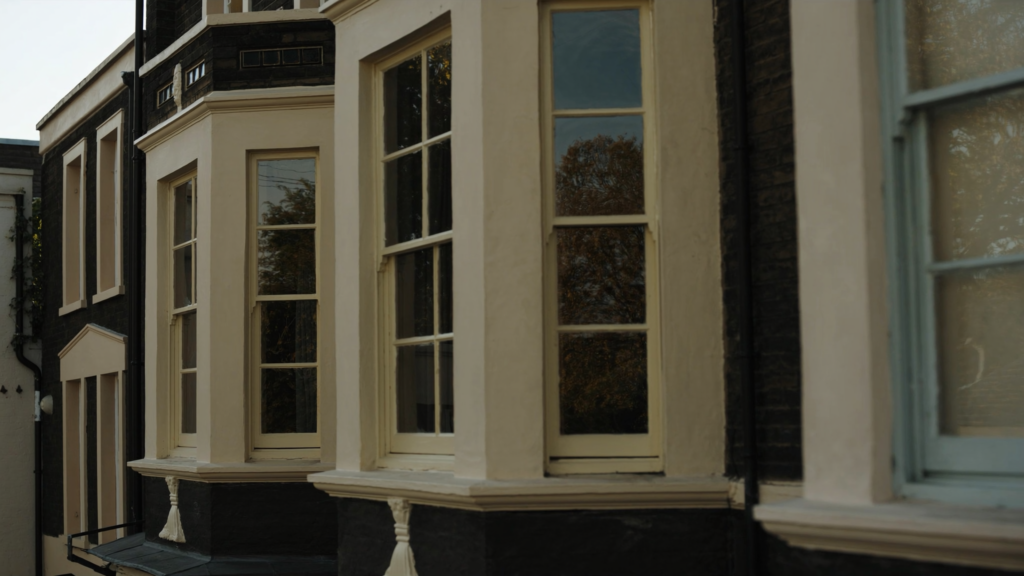
Sliding sash windows, common in period properties, cost £250–£450 each for secondary glazing, as custom tracks are needed. Casement windows (hinged) cost £200–£350 each, with standard magnetic or hinged secondary units (Checkatrade, 2026).
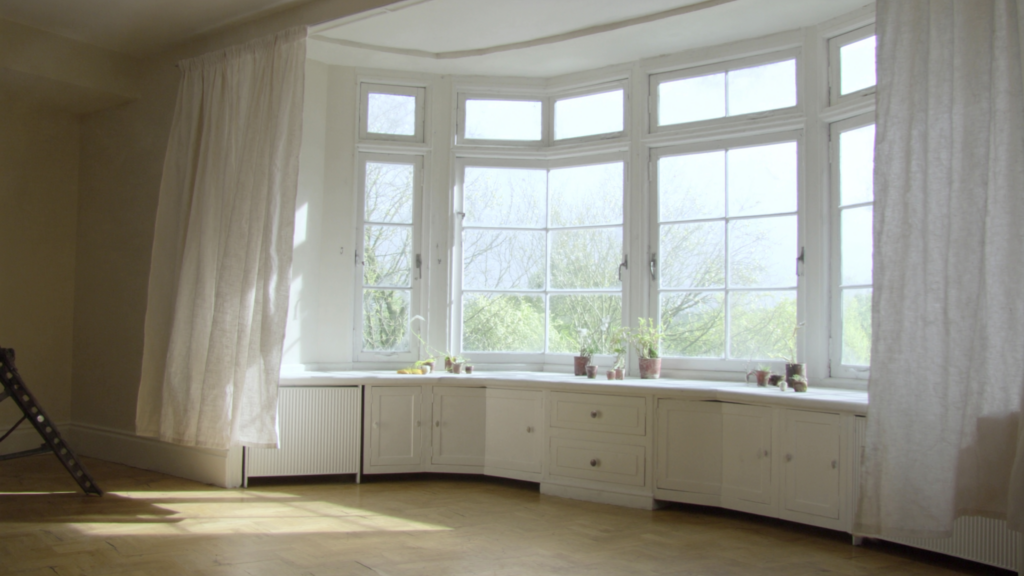
Large picture windows or bay windows cost £400–£800 each due to size, custom framing, and installation complexity (FENSA, 2026). For a full quote, measure each window type separately and request itemised pricing from installers.
Frequently Asked Questions
Secondary glazing costs £200–£400 per window installed, according to Checkatrade (2026). Acrylic options start at £200, while glass versions cost £300–£400.
Yes, secondary glazing costs roughly a third of full double glazing. FENSA (2026) data shows replacement double glazing averages £600–£1,200 per window.
Secondary glazing reduces heat loss by up to 50% compared to single glazing. GOV.UK (2026) U-value guidance shows an improvement from 5.7 to 2.5–3.0 W/m²K.
The payback period for secondary glazing is typically 5–8 years. The Energy Saving Trust (2026) reports annual savings of £100–£200 on heating bills.
Secondary glazing usually does not require planning permission as it is a non-intrusive addition. Check with your local council if your property is listed or in a conservation area.