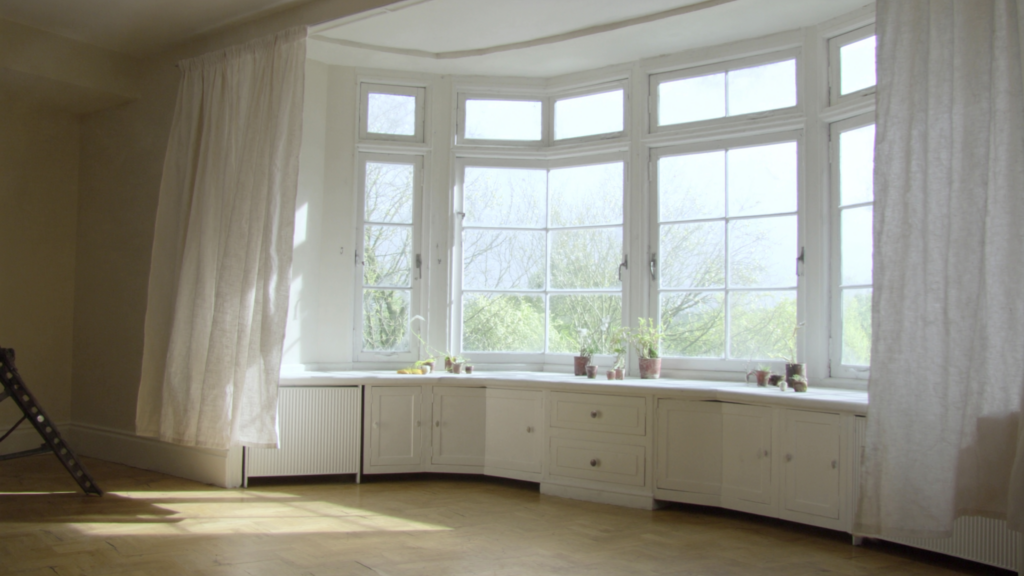
A new bay window costs between £2,500 and £6,500 fully fitted in the UK in 2026, with uPVC being the cheapest option and timber the most expensive.
If you are planning to replace a bay window, the total cost depends heavily on the material you choose. The average cost for a standard three-panel uPVC bay window, including installation, is £3,200–£4,500 (Checkatrade, 2026). Aluminium bay windows range from £4,500–£6,500, while timber can exceed £7,000 (MyJobQuote, 2026).
The type of bay you choose, box, angled, or circular, directly changes the price by up to 40%.
The shape of your bay window has a major impact on the final quote. A box bay (square projection) is the most affordable, starting around £2,500 for uPVC. Angled bays, typically built at 30°, 45°, or 90°, cost 15–25% more due to the need for custom framing and joinery. Circular or curved bays are the most expensive option, often requiring bespoke glass panels and specially formed frames that can push the total 40% higher than a standard box bay (FENSA industry cost reports, 2026).
Double glazing is standard, but triple glazing adds £600–£1,200 to the total cost.
Every standard bay window quote in 2026 includes double glazing as a baseline. If you choose to upgrade to triple glazing, you should expect to pay an additional £600–£1,200, which is a roughly 20–30% increase on the total job cost. Triple glazing improves the thermal performance of the window, lowering the U-value from around 1.2 W/m²K for double glazing to 0.8 W/m²K or lower (Energy Saving Trust, 2026). This can reduce heat loss through the window by roughly one-third compared to standard double glazing.
Quick numbers cost breakdown by frame material and glazing type
| Frame material | Standard double glazing cost | Triple glazing upgrade cost | Average lifespan (years) | Typical U-value (W/m²K) |
|---|---|---|---|---|
| uPVC | £2,500–£4,500 | +£600–£1,000 | 20–30 | 1.2–1.4 |
| Aluminium | £4,500–£6,500 | +£800–£1,200 | 30–40 | 1.0–1.2 |
| Timber | £5,000–£7,000+ | +£900–£1,400 | 40–60 | 0.8–1.1 |
Data sourced from DESNZ “Energy Performance of Buildings” data, 2026 (GOV.UK, 2026).
The answer to “How much does a bay window cost in the UK in 2026?” is £2,500 to £6,500 fully fitted, with uPVC being the most common choice.
This price range covers the supply and installation of a standard three-panel bay window. uPVC accounts for roughly 75% of all new window installations in the UK because it is the most affordable and requires the least maintenance. You should budget an additional £200–£800 for extras such as lintels, structural reinforcement, or the removal and disposal of your old window (MyJobQuote, 2026). Always ask for an itemised quote so you can see exactly what is included.
Compare bay window costs with standard casement window prices
Installation costs include fitting, removal, and disposal, but structural work is extra.
Basic fitting, which covers removing the old window and disposing of it, typically costs £200–£400. However, if your property requires a steel lintel or rolled steel joist (RSJ) to support the wall above the new window, you will need to add £150–£500 to the total. This structural work is not always visible in a standard quote, so ask your installer to confirm whether a lintel is needed (FENSA registered installer cost surveys, 2026).
To verify your installer, check they are MCS-certified for energy performance and FENSA-registered for building regulations compliance.
Before you pay a deposit, confirm your installer holds two key certifications. FENSA registration is mandatory for all window installations in England and Wales. It ensures the work complies with Building Regulations Part L (conservation of fuel and power) and Part B (fire safety) (GOV.UK, 2026). MCS certification is relevant if you are adding high-performance glazing as part of a wider heat-loss reduction measure, for example to qualify for certain energy company obligations (MCS, 2026).
Glazing is standard-rated for VAT at 20%. The zero rate for energy-saving materials covers insulation, heat pumps and solar panels; HMRC names secondary and double glazing as excluded (VAT Notice 708/6).
The VAT rate on residential window installations in Great Britain is currently 0% under a temporary relief that runs until 2027 (GOV.UK, 2026). This alone saves you 20% compared to the standard rate. The Great British Insulation Scheme closed on 31 March 2026. It funded insulation measures only and never covered windows or glazing. The Energy Company Obligation (ECO4) scheme can provide further support for low-income households, but it typically funds whole-house measures rather than single window replacements (DESNZ, 2026).
How to claim VAT on new windows
Frequently Asked Questions
A new bay window costs £2,500–£6,500 fully fitted in 2026, according to Checkatrade. The price varies by material: uPVC from £2,500, aluminium from £4,500, and timber from £5,000.
Triple glazing adds £600–£1,200 but cuts heat loss by a third, says the Energy Saving Trust. It lowers the U-value to 0.8 W/m²K or lower, improving energy efficiency.
A uPVC box bay window is the cheapest, starting around £2,500 fully fitted. Angled bays cost 15–25% more, and circular bays up to 40% more due to bespoke joinery.
uPVC bay windows typically last 20–30 years. Aluminium lasts 30–40 years, and timber can last 40–60 years with proper maintenance.
Yes, shape affects cost by up to 40%. Box bays are cheapest, angled bays cost 15–25% more, and circular bays are the most expensive due to custom glass and frames.