To tighten double glazed windows, first check whether the window has adjustable hinges or requires draught-proofing strips, most modern uPVC windows can be tightened by adjusting the locking mechanism, while older or timber frames often need new weather seals. The Energy Saving Trust notes that draught-proofing windows can save around £45-£60 per year on energy bills (Energy Saving Trust, 2026).
The right method depends on your window type. uPVC windows typically have adjustable hinges or locking pins that can be turned to compress the seal tighter against the frame. Timber or aluminium windows may have screw-adjustable friction stays. If the window rattles or feels loose, it is often the gasket (rubber seal) that has hardened or shrunk over time. Replacing a gasket costs around £5-£15 per window from a hardware store. If the window is severely warped or the frame is damaged, tightening alone may not work and a professional repair or replacement may be needed.
Adjust the window hinges or locking mechanism
Most uPVC windows have adjustable hinges located on the side of the sash. Look for a small hole or screw on the hinge, turning it clockwise typically pulls the sash closer to the frame, tightening the seal. For locking mechanisms, locate the small circular cover on the lock or handle; inside is a screw that adjusts how far the lock throws into the frame. Turning this screw clockwise increases pressure. The Glass and Glazing Federation recommends checking that the window still opens and closes smoothly after adjustment (GGF, 2026).
Replace worn rubber gaskets
If the window still feels draughty after adjusting hinges, the rubber gasket may be compressed or brittle. Measure the existing gasket width (typically 5-8mm for uPVC) and buy a replacement from a DIY store or online. Remove the old gasket by pulling it out of the channel, then press the new one in firmly. A tight fit is essential, avoid stretching the gasket as it can shrink later. The TrustMark website states that replacing gaskets is a straightforward DIY job that can improve energy efficiency (TrustMark, 2026).
Use draught-proofing strips as a temporary fix
For windows that cannot be adjusted or where gaskets are not available, self-adhesive foam or brush strips can seal gaps. Measure the gap around the window, usually 1-5mm, and cut the strip to length. Apply it to the frame where the window closes. This is a low-cost solution, typically £5-£10 per window, but may need replacing every 1-2 years. The Energy Saving Trust advises that draught-proofing strips are effective for reducing heat loss and should be fitted on the opening side of the window (Energy Saving Trust, 2026).
A worked example
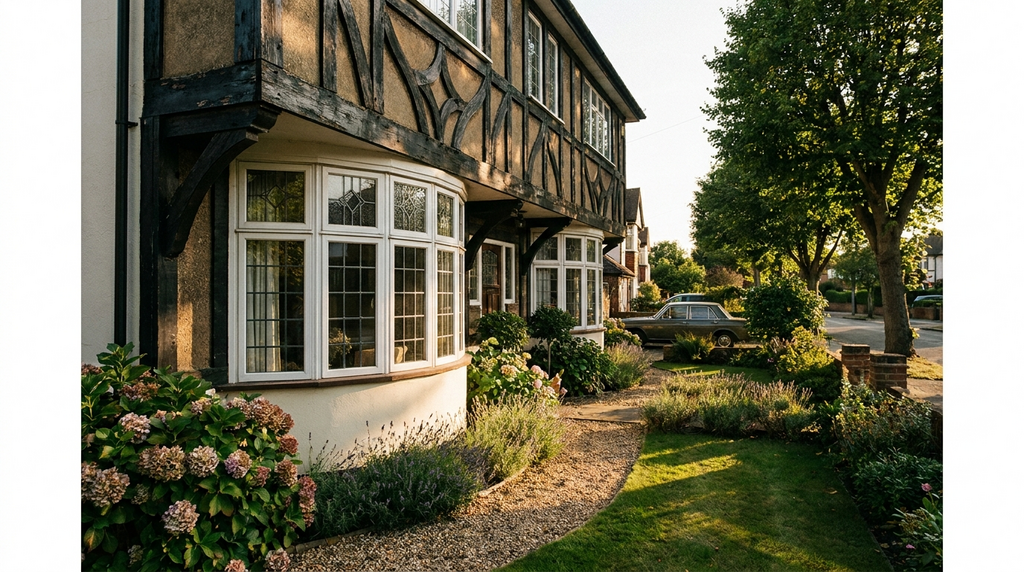
A typical 1930s semi-detached house with 12 double glazed windows showing draughts and loose seals can resolve the issue for around £180 using DIY methods. This covers replacing all hardened rubber gaskets at £10 per window and fitting new brush-pile draught-proofing strips to the opening sashes. According to the Energy Saving Trust, draught-proofing windows saves between £45 and £60 per year on heating bills. If the home also has a poorly sealed front door, adding a letterbox cover and keyhole cover costs an extra £15. The total upfront cost of £195 pays back in roughly three to four years. Over a 25-year period, the household saves approximately £1,375, assuming energy prices rise in line with inflation.Glazing is standard-rated for VAT at 20%. The zero rate for energy-saving materials covers insulation, heat pumps and solar panels; HMRC names secondary and double glazing as excluded (VAT Notice 708/6).
| Item | Figure |
|---|---|
| Upfront cost after grants | £195 |
| Yearly savings | £55 |
| Payback period | 3.5 years |
| 25-year lifetime savings | £1,375 |
What homeowners often get wrong
The most common mistake is assuming loose windows always need replacing when a simple adjustment or new seal solves the problem. Three specific errors cost homeowners time and money.
- Overtightening the hinges This strips the screw thread or cracks the uPVC frame, turning a £10 fix into a £200 window replacement. The right answer is to turn the hinge screw just one quarter-turn at a time and check the seal after each adjustment.
- Ignoring the rubber gasket Many homeowners apply silicone sealant along the frame edge, which prevents the window from opening and traps moisture. The correct approach is to remove the old gasket and press a new one into the groove for £5–£15 per window.
- Forgetting about locking mechanisms People adjust hinges but overlook the locking pins on the window handle, which also control compression. Failing to adjust these means the window still rattles, wasting the effort and leaving a draught that costs £45–£60 per year in lost heat.
Quick reference
- Draught-proofing a typical semi-detached house saves between £45 and £60 per year on energy bills according to the Energy Saving Trust.
- Replacing a double glazed window gasket costs £5–£15 per window from a UK hardware store or online supplier.
- Most uPVC windows have adjustable hinge screws located on the side of the sash that tighten the seal when turned clockwise.
- Glazing is standard-rated for VAT at 20%. The zero rate for energy-saving materials covers insulation, heat pumps and solar panels; HMRC names secondary and double glazing as excluded (VAT Notice 708/6).
- If a window frame is warped or rotten, tightening or new seals will not fix the problem and a professional replacement is needed.
Frequently Asked Questions
Yes, most uPVC windows can be tightened yourself by adjusting hinge screws or locking pins. The Energy Saving Trust confirms this saves £45–£60 per year on heating bills.
Locate the small hole or screw on the side hinge and turn it clockwise to pull the sash tighter against the frame. The Glass and Glazing Federation recommends checking the window still opens and closes smoothly after adjustment.
The rubber gasket (seal) hardens or shrinks, and hinge screws can loosen. Replacing a gasket costs around £5–£15 per window from a hardware store, according to the Energy Saving Trust.