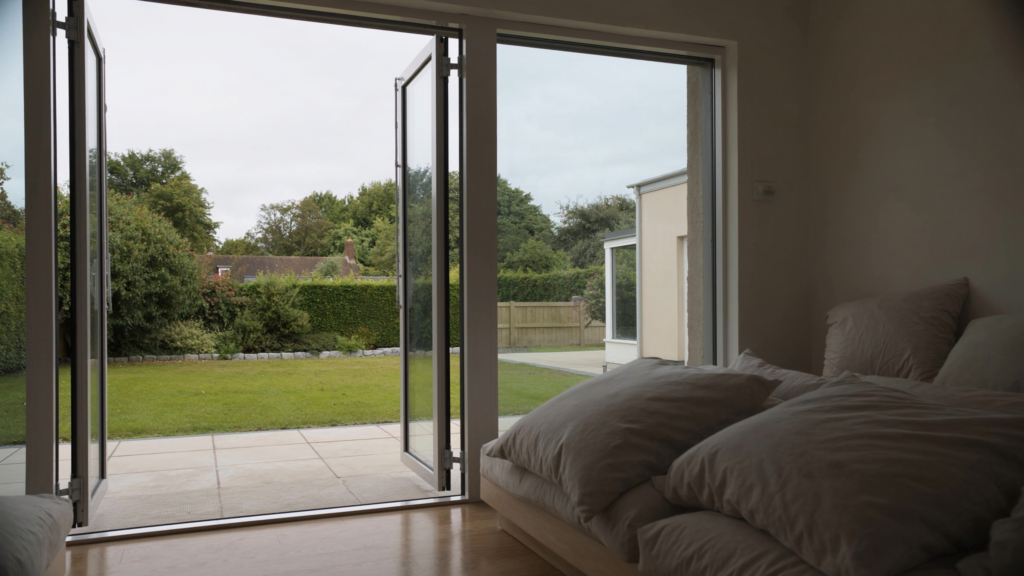
uPVC windows cost roughly half the price of aluminium, but aluminium lasts twice as long
When comparing uPVC and aluminium windows, the upfront cost and lifespan are the two most significant differences. The choice between them often comes down to how long you plan to stay in your home and how much you can spend now.
uPVC windows cost £350-£600 per window installed, while aluminium costs £600-£1,200. However, aluminium lasts 40-50 years versus uPVC's 20-30 years, and achieves better insulation with U-values as low as 1.2 W/m²K. Compare total lifetime costs to decide.
- uPVC costs £350-£600 per window; aluminium costs £600-£1,200 per window.
- Aluminium frames last 40-50 years, double uPVC's 20-30 year lifespan.
- Aluminium achieves better U-values: 1.2-1.4 vs uPVC's 1.4-1.6 W/m²K.
- Triple-glazed aluminium can reach 0.8 W/m²K, uPVC 1.0 W/m²K.
- Aluminium saves £20-£50 yearly on heating for a 3-bed semi.
- uPVC windows cost roughly half the price of aluminium, but aluminium lasts twice as long
- Aluminium windows achieve better U-values than uPVC for the same glazing package
- Quick numbers, side-by-side cost, energy, and lifespan comparison table
- Aluminium windows save more energy annually, but the payback period is 15–25 years longer than uPVC
- uPVC windows are the most common choice for UK homeowners, installed in approximately 85% of replacement window jobs
- The direct answer to "uPVC vs aluminium windows" depends on your budget, lifespan expectations, and whether you need slim frames
- You must use an MCS-certified or FENSA-registered installer for any window replacement to comply with UK building regulations
In 2026, a standard uPVC window installation costs between £350 and £600 per window for supply and fitting, while aluminium windows cost between £600 and £1,200 per window, according to the Glass & Glazing Federation member pricing survey (Glass & Glazing Federation, 2026). Aluminium frames typically last 40 to 50 years, whereas uPVC frames last 20 to 30 years (British Fenestration Rating Council lifecycle data, 2026). Over the full lifespan, uPVC costs roughly £20 to £30 per year, while aluminium costs £15 to £24 per year.
Aluminium windows achieve better U-values than uPVC for the same glazing package
A U-value measures how quickly heat escapes through a window. The lower the number, the better the insulation.
A standard double-glazed uPVC window achieves a U-value of 1.4 to 1.6 W/m²K. A standard double-glazed aluminium window with a thermal break (a plastic barrier inside the frame that reduces heat loss) achieves a U-value of 1.2 to 1.4 W/m²K (BFRC Window Energy Ratings database, 2026). With triple glazing, aluminium can reach 0.8 to 1.0 W/m²K, while uPVC reaches 1.0 to 1.2 W/m²K (DESNZ product standards guidance, 2026).
The difference of 0.2 to 0.4 W/m²K translates into annual heating savings of approximately £20 to £50 on a typical three-bedroom semi-detached house (Energy Saving Trust heating cost calculator methodology, 2026).
Quick numbers, side-by-side cost, energy, and lifespan comparison table
| Metric | uPVC | Aluminium (thermal break) |
|---|---|---|
| Average cost per window (supply & fit) | £350–£600 | £600–£1,200 |
| Typical U-value (double glazed) | 1.4–1.6 W/m²K | 1.2–1.4 W/m²K |
| Typical U-value (triple glazed) | 1.0–1.2 W/m²K | 0.8–1.0 W/m²K |
| Lifespan | 20–30 years | 40–50 years |
| Annual heating saving vs single glazing (per window) | £80–£130 | £90–£150 |
| Colour options | White, limited colours | Any RAL colour |
| Recyclability at end of life | Limited (PVC recycling schemes exist) | 100% recyclable |
Aluminium windows save more energy annually, but the payback period is 15–25 years longer than uPVC
The annual heating saving from choosing double-glazed aluminium over double-glazed uPVC is £20 to £50 for a typical semi-detached home (Energy Saving Trust home energy efficiency guide, 2026). The payback period for upgrading from single glazing to uPVC is 5 to 10 years. For aluminium, the payback period is 15 to 25 years (Energy Saving Trust cost-benefit analysis for replacement windows, 2026).
If you are replacing existing double glazing, neither option typically pays back in energy savings alone within 20 years (Energy Saving Trust guidance on window replacement ROI, 2026). This is because the upfront cost is high relative to the energy savings you gain.
uPVC windows are the most common choice for UK homeowners, installed in approximately 85% of replacement window jobs
In the UK replacement window market, uPVC holds an 85% market share. Aluminium accounts for 12%, and timber makes up the remaining 3% (Glass & Glazing Federation market report, 2026). uPVC dominates because of its lower upfront cost and wide availability from local installers.
Aluminium is chosen primarily for modern aesthetics, such as slim sightlines (the visible width of the frame), and for homes in conservation areas where planning permission requires a heritage-appropriate appearance. Aluminium frames can be powder-coated in any RAL colour, which gives more design flexibility than uPVC’s standard white or limited colour range.
The direct answer to “uPVC vs aluminium windows” depends on your budget, lifespan expectations, and whether you need slim frames
uPVC is the cost-effective choice. It has a lower upfront cost, is common in most UK homes, and offers adequate energy performance for typical budgets. Aluminium is the long-term investment. It has a higher upfront cost but a longer lifespan, better U-values, and slimmer frames that let in more natural light.
For a typical three-bedroom house with 10 windows, uPVC costs £3,500 to £6,000. Aluminium costs £6,000 to £12,000 (Glass & Glazing Federation member pricing survey, 2026). If you plan to stay in your home for 20 years or more, aluminium often works out cheaper per year. If you plan to move within 10 to 15 years, uPVC is the more sensible financial choice. How to choose the right window material for your home
You must use an MCS-certified or FENSA-registered installer for any window replacement to comply with UK building regulations
All replacement glazing in England and Wales must comply with Building Regulations Part L, which covers conservation of fuel and power (GOV.UK Building Regulations, 2026). FENSA (Fenestration Self-Assessment Scheme) certification covers both uPVC and aluminium window installations (FENSA website, 2026).
You can alternatively use a local authority building control inspection, but FENSA-registered installers handle certification automatically. Check the installer on the MCS (Microgeneration Certification Scheme) register only if you are also installing solar panels or heat pumps alongside windows. MCS is not required for windows alone. The Gas Safe Register is irrelevant for window installation and should not be used as a check for glazing work. What to check before hiring a window installer
Frequently Asked Questions
uPVC windows are cheaper upfront, costing £350 to £600 per window installed, while aluminium windows cost £600 to £1,200 per window, according to Glass & Glazing Federation member pricing surveys (2026). Over the full lifespan, aluminium works out cheaper per year at £15-£24 versus uPVC's £20-£30.
Yes, aluminium windows last 40 to 50 years, while uPVC windows last 20 to 30 years, based on British Fenestration Rating Council lifecycle data (2026). Aluminium frames are more durable and resistant to warping and cracking.
Aluminium windows with a thermal break insulate better than standard uPVC, achieving U-values of 1.2 to 1.4 W/m²K compared to uPVC's 1.4 to 1.6 W/m²K for double glazing (BFRC database, 2026). Triple-glazed aluminium can reach 0.8 W/m²K, while uPVC reaches 1.0 W/m²K.
Aluminium windows are worth the extra cost if you plan to stay in your home for more than 20 years, as they last longer and save £20 to £50 per year on heating bills (Energy Saving Trust, 2026). For shorter stays, uPVC offers better value upfront.
Aluminium windows suit period homes better due to slimmer frames and a more traditional appearance, while uPVC can look bulkier. However, uPVC is cheaper and may be acceptable in conservation areas if styled appropriately, subject to local planning rules.