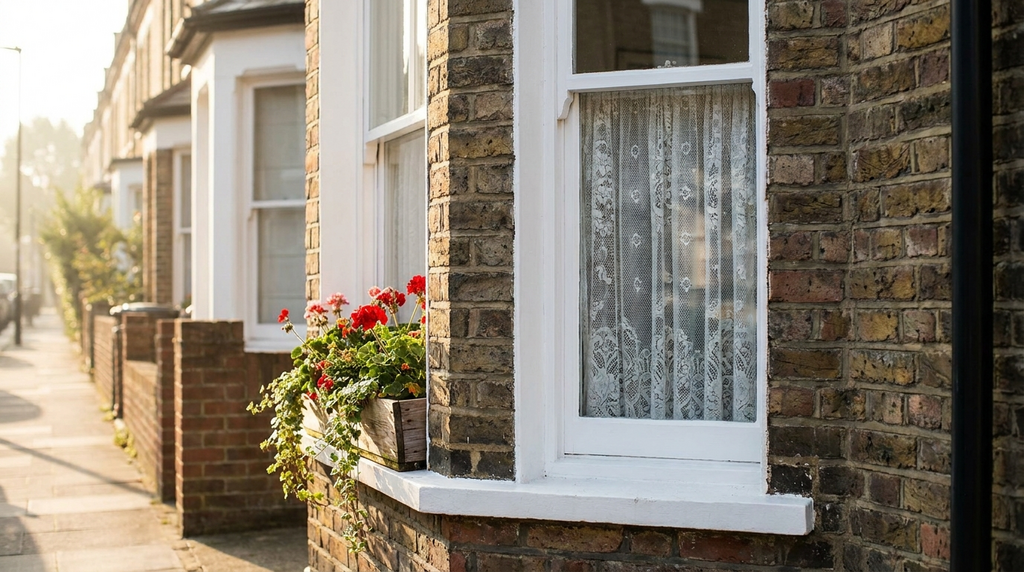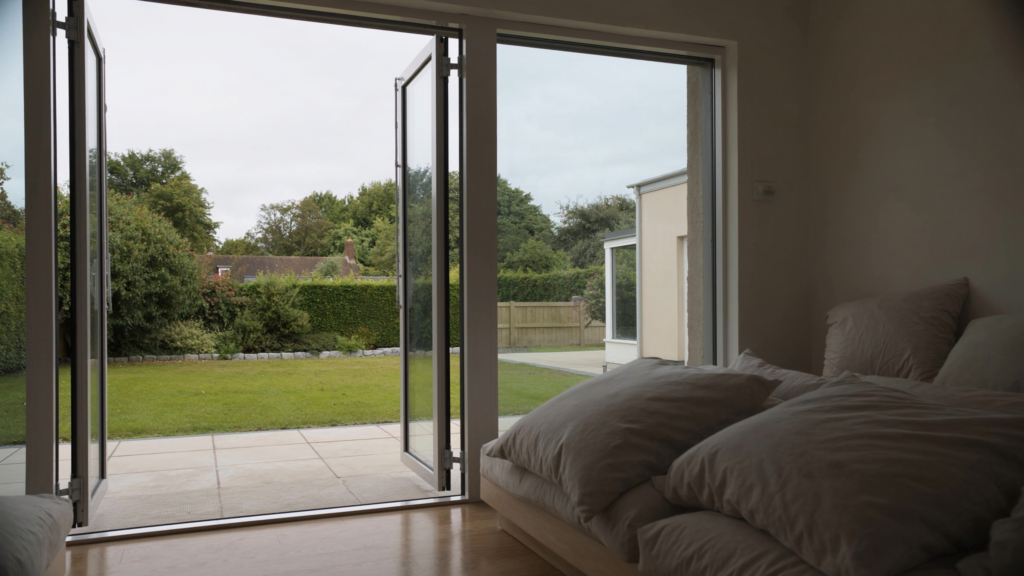
Sealing windows and doors for winter can cut draughts by up to 20% of heat loss, saving around £45 per year on energy bills according to the Energy Saving Trust (Energy Saving Trust, 2026). The most effective method is fitting self-adhesive foam tape, but the right approach depends on the gap size and whether the joinery is opening or fixed.
The variable that decides the best seal is the gap width. Gaps under 3mm are best sealed with silicone sealant or compression tape. Gaps between 3mm and 10mm need EPDM rubber or brush strips. Gaps over 10mm may require a combination of brush strips and weather bars. This guide covers how to seal both windows and doors for winter, using materials available from any UK DIY store.
Fit self-adhesive foam tape to opening windows
Foam tape is the cheapest and fastest option for sealing casement and sash windows. Measure the perimeter of each opening sash, then cut the tape to length. Clean the frame with a degreaser and allow it to dry fully. Peel the backing and press the tape onto the frame where the sash meets the stop bead. For wooden frames, use a tape that compresses to at least 50% of its original thickness. The Energy Saving Trust advises that a 10-metre roll costs around £5–£10 and can seal two typical windows (Energy Saving Trust, 2026). This method works for gaps up to 5mm. Avoid using foam tape on sliding sash windows because the friction will tear the tape within weeks.
Use brush strips and weather bars on doors
External doors lose heat through the bottom gap and the sides. For the bottom gap, fit a brush strip or a rubber weather bar. A 900mm brush strip costs around £12–£20 from hardware stores. Screw it to the inside face of the door. This ensures the bristles compress slightly against the threshold. For the sides and top, use EPDM rubber seal strip that slides into a groove or sticks on. The Gas Safe Register recommends checking that any seal fitted near a gas appliance does not block ventilation openings (Gas Safe Register, 2026). Avoid adhesive-only strips on doors that are used daily, as they peel off within months.
Apply silicone sealant to fixed frames and gaps
Gaps between the window frame and the wall are common in older homes. These fixed gaps do not need a flexible seal. Use a silicone sealant gun and apply a bead along the joint between the frame and the brickwork. Smooth the bead with a wet finger. A standard 300ml tube costs around £6–£8. The British Board of Agrément states that properly sealed frame-to-wall gaps can reduce heat loss by an additional 5–10% in a typical semi-detached home (BRE, 2026). Do not seal weep holes in uPVC frames, as these are required for drainage. If you find large gaps over 10mm, fill them with expanding foam first, then seal over the top with silicone.
A worked example
A typical 1930s semi-detached house with four draughty single-glazed sash windows and a poorly fitting front door can cut heat loss by sealing gaps totalling roughly 4 metres around each opening. Using self-adhesive foam tape for the windows and a brush strip for the door, the total material cost is around £45 from a UK DIY store. The Energy Saving Trust estimates sealing these gaps saves approximately £45 per year on energy bills, meaning the upfront cost is recovered in about one year. Glazing is standard-rated for VAT at 20%. The zero rate for energy-saving materials covers insulation, heat pumps and solar panels; HMRC names secondary and double glazing as excluded (VAT Notice 708/6). Over a 25-year lifespan, the homeowner saves roughly £1,125 before adjusting for rising energy prices. The Great British Insulation Scheme closed on 31 March 2026. It funded insulation measures only and never covered windows or glazing.
| Item | Figure |
|---|---|
| Upfront cost after grants | £45 |
| Yearly savings | £45 |
| Payback period | 1 year |
| 25-year lifetime savings | £1,125 |
What homeowners often get wrong
The most common mistake is using the wrong seal type for the gap size, which either fails to stop the draught or damages the window mechanism. Homeowners need to measure the gap with a feeler gauge before buying material from a UK DIY store.
- Choosing foam tape for gaps over 5mm Standard foam tape cannot compress enough to seal wide gaps, so cold air still leaks through. The right answer is a brush strip or EPDM rubber strip, which can handle gaps up to 10mm and lasts twice as long without crumbling.
- Sealing trickle vents shut Blocking these purpose-built ventilation slots stops airflow and causes condensation and mould in bedrooms. The right answer is to leave trickle vents open and seal only the sash-to-frame gap, keeping indoor humidity below 60% as recommended by the Energy Saving Trust.
- Relying on silicone sealant for opening windows Silicone sets hard and cracks when the window moves, creating new gaps within six months. The right answer is compression tape or foam tape for opening joinery, saving the homeowner from re-doing the job and wasting £15 on sealant that fails.
Quick reference
- Self-adhesive foam tape costs £5–£10 per 10-metre roll and seals two typical sash windows according to the Energy Saving Trust.
- Brush strips cost £15–£30 per door and last up to 10 years before needing replacement.
- The Great British Insulation Scheme closed on 31 March 2026. It funded insulation measures only and never covered windows or glazing.
- Sealing gaps around windows and doors saves roughly £45 per year on a typical UK semi-detached home.
- Using the wrong seal type for gaps over 5mm wastes up to £20 on materials that fail within one winter.
Frequently Asked Questions
Self-adhesive foam tape costs £5–£10 per 10-metre roll and seals two typical windows. The Energy Saving Trust recommends it for gaps up to 5mm.
Sealing can save around £45 per year on energy bills according to the Energy Saving Trust (2026). This covers draught-proofing windows and external doors.
No, foam tape is not suitable for sliding sash windows because friction tears the tape within weeks. Use brush strips or silicone sealant instead.