Why Coventry Homeowners Are Looking at Double Glazing Right Now
There’s something quietly significant happening across Coventry’s housing streets right now. From the Victorian terraces of Hillfields and Foleshill to the post-war semis of Tile Hill and Cheylesmore, homeowners are looking hard at their windows, and realising that single-glazed frames or tired old double glazing from the 1990s is costing them real money every winter.
Coventry sits at the heart of a city-wide push toward energy efficiency. The city council has been actively supporting retrofit projects, and with the average Coventry home sitting at EPC Band D, there’s a huge amount of headroom for improvement. Double glazing is often the first step many homeowners take, and for good reason, it delivers a noticeable, immediate difference in comfort and bills.
There’s also a generational factor at play here. A huge proportion of Coventry’s housing stock was built between the 1930s and 1960s, think the sprawling estates around Canley, Styvechale, and Radford. Many of those homes still have their original metal Crittal windows or a first-generation double-glazing job that’s long past its best. The seals have failed, the frames have warped, and the insulation value is almost zero. Replacing that old glazing with modern, high-performance units is one of the highest-impact moves you can make.
With energy bills still biting hard across the West Midlands, and Coventry’s average gas consumption running close to 11,200 kWh per year, shaving even 10–15% off your heating demand makes a real difference to household finances.
What Double Glazing Actually Involves for a Typical Coventry Home
Let’s be practical about what getting double glazing installed actually looks like for the majority of Coventry homes. Most properties here are either terraced or semi-detached, built between roughly 1900 and 1970, and that shapes everything, from the window styles to the installation challenges.
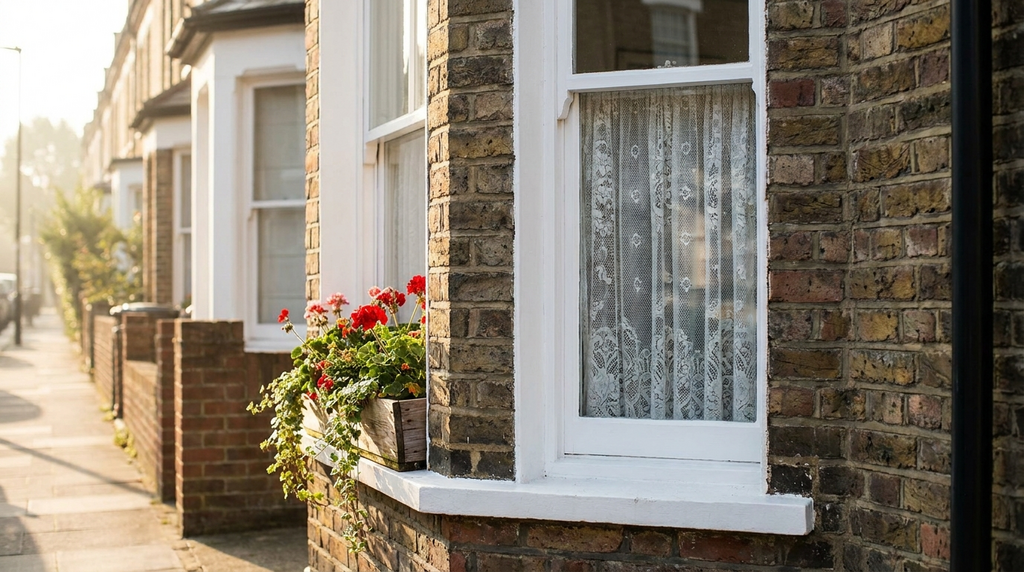
For the red-brick terraces common in Foleshill, Stoke, and Hillfields, you’re often dealing with narrow frontages onto the pavement, which means very little working space for installers. Some properties have no front garden at all, so all the measuring, cutting, and frame-fitting happens right on the street. This isn’t a dealbreaker, but it does affect how long the job takes and how tidy the site can be kept.
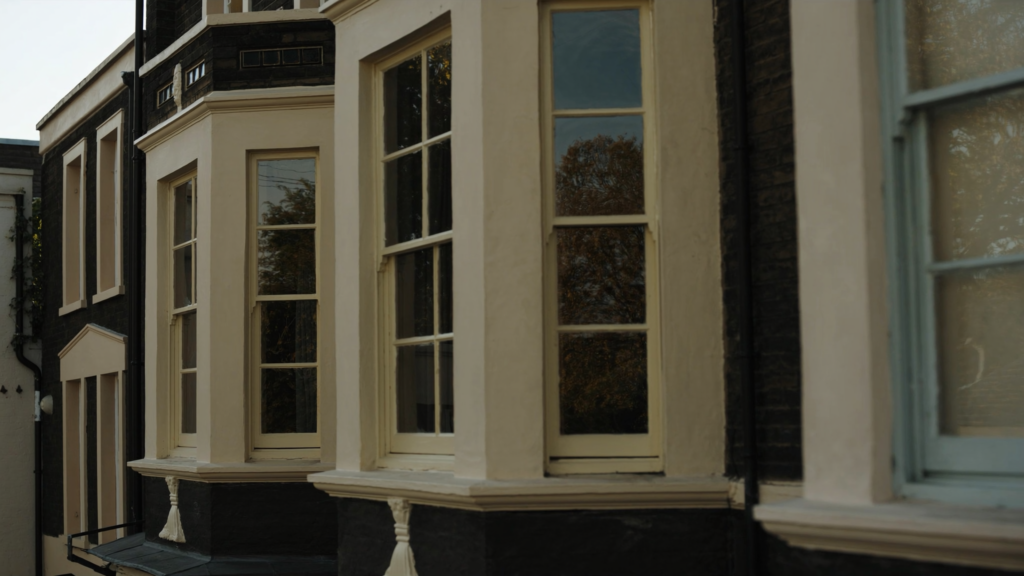
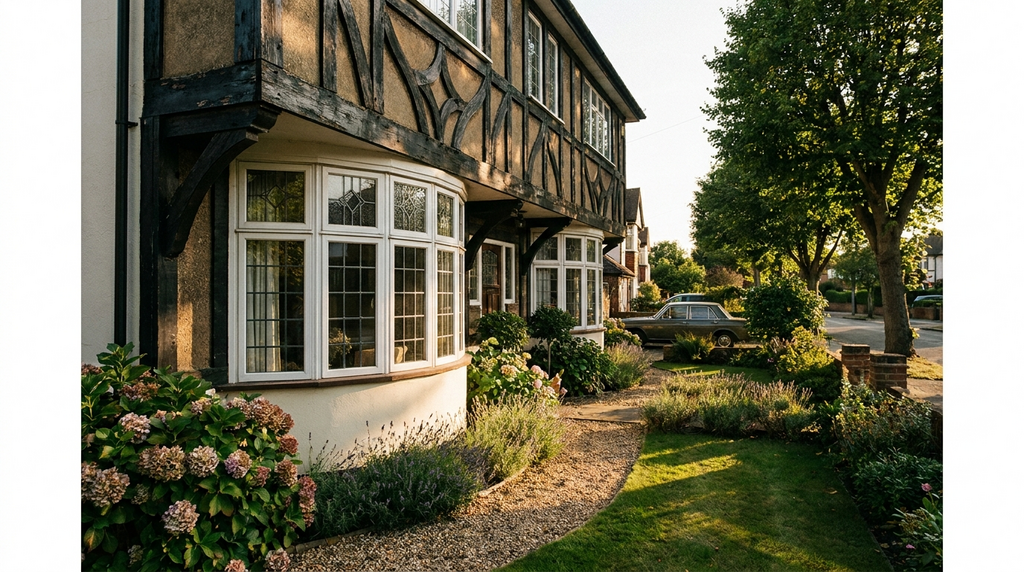
The 1930s semis across Tile Hill, Eastern Green, and Coundon typically have larger, more traditional bay windows and sash-style openings. These need a slightly different approach to replacement, as the frame apertures are often larger and more complex. On the upside, these properties usually have driveways or front gardens giving installers more room to work.
Post-war council-built estates, areas like Bell Green and Willenhall, often feature specific window configurations designed for that era of construction. Replacements need to fit into existing masonry openings, and the brickwork around those openings can sometimes be fragile or non-standard. A good local installer will do a thorough survey before quoting, not just hand you a brochure price.
One thing that catches many Coventry homeowners off guard is the sheer variety of window types in older properties. A single Victorian terrace might have sash windows at the front, casement windows at the back, and a small awning vent in the bathroom, all requiring different solutions and potentially different price points.
Key installation considerations for Coventry properties:
- Access restrictions on terraced streets, especially in Hillfields, Foleshill, and the city centre fringe
- Older masonry that may need lintel checking before new frames are fitted
- Bay windows on 1930s semis require specialist bay pole or bay post solutions
- Some properties near the city centre sit within or adjacent to conservation zones
- Parking for installer vans can be genuinely tricky on many Coventry residential streets
How Much Double Glazing Costs in Coventry and the West Midlands Area in 2026
Let’s talk real numbers. Coventry sits in a sweet spot for labour costs. It is less expensive than London or the Home Counties, but it is not as cheap as some rural Midlands areas. You’ll typically pay slightly less than the national average, though not dramatically so. The West Midlands generally runs about 5–10% below London pricing for installation work.
The table below gives you a practical guide for 2026. These are installed prices, including VAT, for a standard Coventry semi or terraced home:
| Job Type | Property Size / Scope | Coventry Estimate | National Average |
|---|---|---|---|
| Full house double glazing, uPVC casement | 3-bed semi, 8–10 windows | £4,800 – £6,500 | £5,200 – £7,200 |
| Full house double glazing, uPVC sash | 3-bed terrace, 6–8 windows | £5,500 – £7,800 | £6,000 – £8,500 |
| Full house double glazing, aluminium frames | 3-bed semi, 8–10 windows | £7,200 – £10,000 | £7,800 – £11,500 |
| Single window replacement, uPVC casement | Standard opening | £420 – £650 | £450 – £700 |
| Bay window replacement, uPVC | 3-panel Victorian bay | £1,100 – £1,800 | £1,200 – £2,000 |
| Triple glazing upgrade, uPVC | 3-bed semi, full house | £6,500 – £9,000 | £7,000 – £10,500 |
| Secondary glazing (conservation areas) | Per window, fitted | £350 – £600 | £400 – £650 |
Compared to nearby towns, Coventry sits roughly in the middle. Leamington Spa and Kenilworth can run 8–12% higher due to a higher proportion of period properties and stricter conservation requirements. Nuneaton tends to come in slightly cheaper. Solihull, being closer to Birmingham‘s higher-cost zone, often matches or slightly exceeds Coventry pricing.
One honest word of warning, the cheapest quote is rarely the best value. A company offering full house glazing for £3,500 in Coventry is almost certainly cutting corners on the glass specification, the installation quality, or both. Mid-market installers in the West Midlands region offer the best balance of price and quality.
How Coventry’s Weather and Location Affect Your Double Glazing Choices
Here’s something most glazing brochures won’t tell you, the specific climate in your area genuinely does influence what products make sense. And Coventry has a rather interesting microclimate for a Midlands city.
Being inland and relatively sheltered, Coventry escapes the worst of the coastal gales that batter places like Hull or Bristol. Rainfall sits at a moderate 700–850mm per year, enough to matter for window seals and drainage, but not extreme. The bigger issue is temperature fluctuation. Coventry winters can dip sharply at night while days remain relatively mild, and it’s that cycling between cold nights and warmer days that stresses window seals and causes condensation between panes in older units.
The city actually enjoys better solar irradiance than most people expect, around 1,100–1,200 kWh per square metre per year. That’s comparable to parts of southern England. This makes south-facing windows particularly valuable for passive solar gain, and it also means UV degradation of frames and seals is more of a factor than in cloudier parts of the UK.
What this means practically for your glazing choices:
- Opt for glazing units with a warm-edge spacer bar, this dramatically reduces condensation at the edge of the glass on cold Midlands nights
- South and west-facing windows benefit from a solar control coating to prevent overheating in summer without losing winter solar gain
- uPVC frames with good UV stabilisation are important given the above-average sunshine hours
- Drainage and weatherproofing details matter, the moderate but consistent rainfall in Coventry will find any weak point in a poorly installed frame
- Acoustic performance is worth considering near the A45, A444, or the ring road, more on this below
Homes in areas closer to Coventry’s busier arterial routes, Holyhead Road, Foleshill Road, and the Stoney Stanton Road corridor, genuinely benefit from acoustic laminate glass as part of their glazing specification. The cost uplift is modest (roughly £40–£80 per window) and the comfort difference is significant if you live anywhere near a busy road.
The Products and Options That Work Best for Coventry’s Housing Stock
Given the mix of Victorian terraces, Edwardian semis, and 1930s–1960s estates that dominate Coventry’s residential streets, here’s a genuinely expert steer on what performs best, not just what’s being pushed by the big national companies.
For most Coventry homes, the sweet spot is uPVC double glazing with an A-rated or A+-rated glass unit. Look for a centre-pane U-value of 1.0 W/m²K or better, and an overall window U-value of no more than 1.4 W/m²K. This is the performance level at which you’ll see meaningful bills savings without paying the premium for full triple glazing.
Specific product recommendations by house type:
- Victorian and Edwardian terraces (Hillfields, Chapelfields), Vertical slider sash windows in white uPVC preserve the period look and satisfy most planning guidance. Avoid overly chunky modern frames; they look wrong on these properties and can affect resale value.
- 1930s semis (Tile Hill, Coundon, Earlsdon), Casement windows in a sculptured uPVC profile suit the era. Flush casements look particularly authentic. Consider a Georgian bar detail if your neighbours have retained original glazing patterns.
- Post-war properties (Bell Green, Willenhall, Wood End), Straightforward casement windows work well. These properties benefit enormously from modern glazing as original frames were often minimal and poorly insulated. Standard white uPVC is perfectly appropriate here.
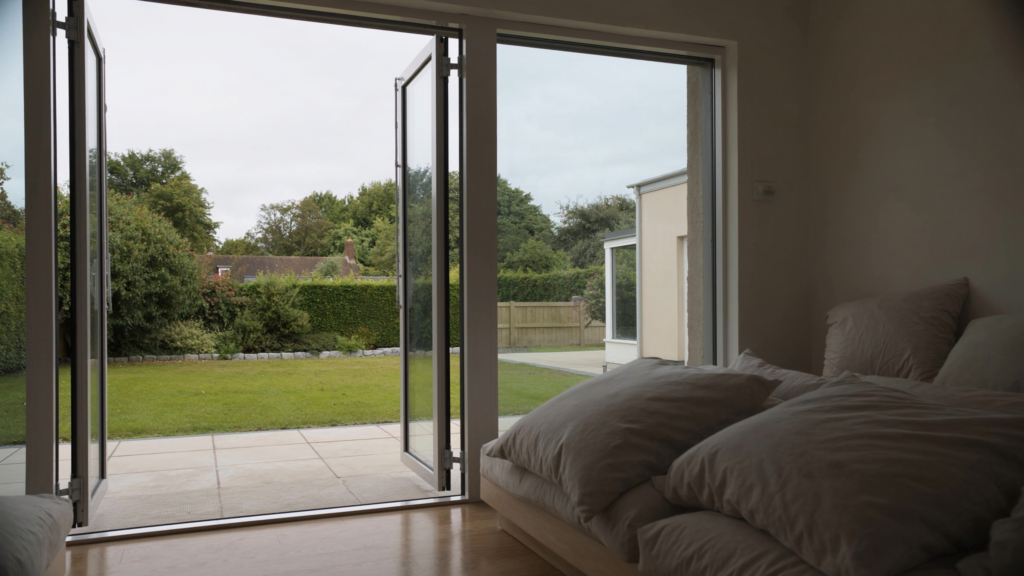
- 1960s–1970s estates (Canley, Tile Hill South), Many of these properties originally had large picture windows. Modern thermally-broken aluminium frames are worth considering here for a contemporary result, though they cost more than uPVC.
On glass specification, argon-filled units are now standard across most installers, make sure yours aren’t trying to sell you krypton-filled units as a major upgrade at a large cost premium. For Coventry’s climate, argon-filled A-rated units represent the best value. Triple glazing is worth the extra cost if you’re also improving insulation throughout, but as a standalone upgrade on a typical Coventry semi, the payback period stretches considerably.
How to Find a Trustworthy Double Glazing Installer Near Coventry
Coventry being a city of 371,000 people means there’s no shortage of double glazing companies serving the area, which is both good and bad. The choice is wider than in smaller towns, but so is the risk of landing with a company that does a mediocre job and then becomes difficult to reach.
The single most important certification to look for is FENSA registration. This is the Fenestration Self-Assessment Scheme, and it’s the industry standard for replacement window and door installers. A FENSA-registered company can self-certify their work meets Building Regulations, meaning you don’t need to separately notify Coventry City Council. Without this, you’ll need to apply for a building regulation certificate separately, which adds cost and admin.
Beyond FENSA, look for:
- TrustMark registration, government-endorsed quality scheme, increasingly required for grant-funded work
- CERTASS membership, an alternative to FENSA with equivalent standing
- Membership of the GGF (Glass and Glazing Federation)
- Genuine local reviews on Google, Checkatrade, or Which Trusted Traders, not just testimonials on the company’s own website
Questions worth asking any installer before you sign:
- Are you FENSA or CERTASS registered, and will you provide the certificate on completion
- What is the U-value of the glass units you’re fitting
- What is the warranty on the glass units, and separately on the frames and installation
- Who actually does the installation, your own employed fitters, or subcontractors
- Can you provide references from jobs in Coventry in the last six months
Most established Coventry glazing companies also cover the nearby towns of Nuneaton, Leamington Spa, Kenilworth, and Solihull. This is actually useful because you can sometimes get a more competitive quote from a company based in Nuneaton or Leamington who wants Coventry jobs to fill their schedule, the competition between installers across this cluster of towns keeps prices honest.
Lead times in the West Midlands region currently run at around 4–8 weeks from survey to installation for most companies. Be suspicious of anyone promising a job within a week, quality manufacturers take time to produce made-to-measure units.
Grants and Funding That Could Reduce Your Costs in 2026
This is where it’s really important to separate fact from wishful thinking. Double glazing sits in a slightly awkward position in the grant landscape, it’s not as well supported as insulation or heat pumps, but there are still meaningful funding routes available to Coventry homeowners.
ECO4 (Energy Company Obligation), This is the main route for households on means-tested benefits or with low EPC ratings. If your home is currently EPC Band D or below (which covers most Coventry properties) and you receive qualifying benefits, including Universal Credit, Pension Credit, or income-based ESA, you could get double glazing funded fully or partially under ECO4. The scheme runs through energy suppliers, so contact your supplier or Coventry City Council’s energy advice service to check eligibility.
Great British Insulation Scheme (GBIS), Primarily focused on insulation rather than glazing, but worth checking as part of a wider retrofit project. If you’re getting cavity wall or loft insulation sorted too, it may be possible to bundle glazing work at reduced overall cost.
West Midlands Combined Authority Retrofit Programme, The WMCA has been running its own retrofit initiative, working with local councils including