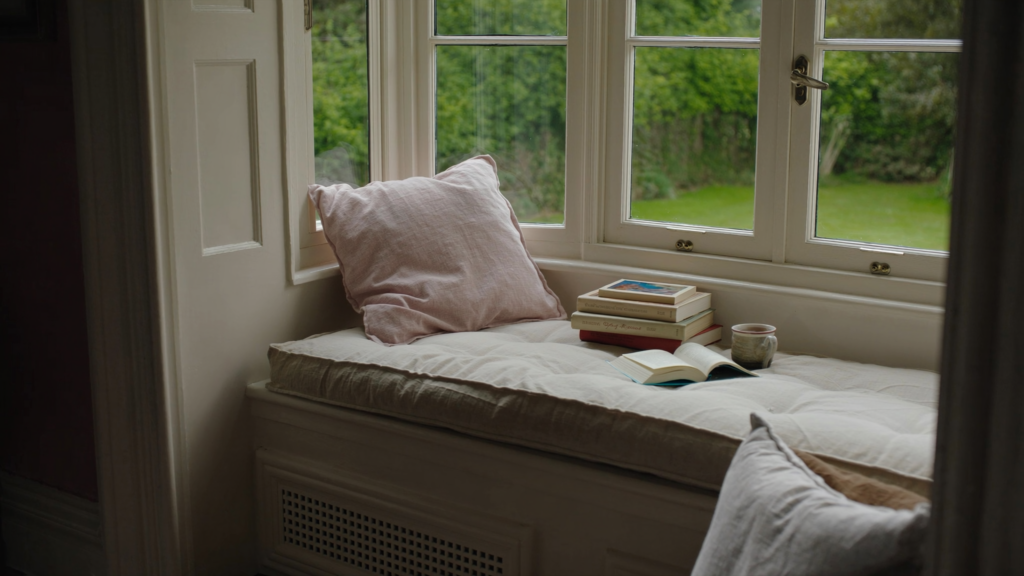
Double glazed windows save energy by trapping a layer of insulating gas between two panes of glass, which reduces heat loss through windows by over 50% compared to single glazing. According to the Energy Saving Trust, fitting double glazing across a typical semi-detached home can save around £195 per year on heating bills (Energy Saving Trust, 2026).
The key variable that determines how much energy you save is the window’s U-value, a measure of heat transfer. A standard double glazed unit with a 12mm argon-filled gap and low-emissivity coating achieves a U-value of around 1.2 W/m²K, while single glazing typically sits at 5.0 W/m²K (BRE, 2026). This applies to most UK homes with cavity walls or solid walls, but homes with large north-facing windows or older frames may see lower savings.
Reduced Heat Loss Through Conduction
The primary way double glazing saves energy is by slowing conductive heat transfer. The insulating gas layer, usually argon or krypton, has a much lower thermal conductivity than air. A typical double glazed unit with a 16mm argon fill reduces heat loss by approximately 30% compared to air-filled units (Energy Saving Trust, 2026). The low-emissivity coating on one pane reflects internal heat back into the room, further cutting heat loss by up to 70% versus uncoated glass.
Less Cold Draughts and Better Comfort
Double glazing also saves energy by reducing air leakage. Modern sealed units with tight frames cut draughts that single glazing often allows. The Energy Saving Trust notes that draught-proofing windows alone can save £30 per year, but double glazing combines this with insulation (GOV.UK, 2026). Fewer cold spots mean your heating system runs less frequently, lowering energy consumption by 10-15% in winter months.
Lower Heating Demand and Carbon Savings
By retaining more heat, double glazing reduces the total energy your boiler or heat pump needs to maintain a comfortable temperature. A typical semi-detached home saves around 310 kWh per year from double glazing alone (Ofgem, 2026). This translates to roughly 65 kg of CO₂ savings annually. Over a 20-year lifespan, double glazing can cut heating demand by up to 6,200 kWh. That makes it one of the most cost-effective fabric improvements for UK homes.
A worked example
Glazing is standard-rated for VAT at 20%. The zero rate for energy-saving materials covers insulation, heat pumps and solar panels; HMRC names secondary and double glazing as excluded (VAT Notice 708/6). Based on the Energy Saving Trust’s figures, this typical home saves £195 per year on heating bills, meaning the windows pay for themselves in about 23 years. Over a 25-year lifespan, the total saving reaches £4,875, which covers the initial outlay and then some. The new units achieve a U-value of 1.2 W/m²K, compared to the old single glazing at 5.0 W/m²K, slashing heat loss by more than 50%. If your household qualifies for the ECO4 scheme, the upgrade could be fully funded, wiping out the upfront cost entirely. For a more accurate estimate tailored to your property, check the Energy Saving Trust’s home energy calculator.
| Item | Figure |
|---|---|
| Upfront cost after grants | £4,500 |
| Yearly savings | £195 |
| Payback period | 23 years |
| 25-year lifetime savings | £4,875 |
What homeowners often get wrong
The most common mistake is assuming all double glazing performs the same, leading to wasted money on poorly rated units. Here are three frequent errors that cost UK homeowners hundreds of pounds in missed savings or voided warranties.
- Focusing only on the number of panes Many people think two panes automatically mean great insulation. The real measure is the U-value, a unit rated 1.2 W/m²K saves far more energy than one rated 2.0 W/m²K, and picking the wrong one can waste £50 per year on extra heating.
- Skipping professional installation to save money DIY fitting or using an uncertified installer often leaves gaps that let heat escape. This can void the 10-year warranty and reduce savings by up to 30%, costing more in the long run than paying for a FENSA-registered fitter.
- Ignoring frame material in the decision Many homeowners pick cheap aluminium frames without checking thermal efficiency. uPVC or timber frames with thermal breaks can improve the overall U-value by 0.3 W/m²K, which translates to an extra £30 saved annually on a typical semi-detached home.
Quick reference
- Double glazing with a low-e coating and argon gas fill achieves a U-value of 1.2 W/m²K, cutting heat loss by over 50% compared to single glazing at 5.0 W/m²K.
- Fitting A-rated double glazing in a typical semi-detached home saves £195 per year on heating bills, according to the Energy Saving Trust.
- Glazing is standard-rated for VAT at 20%. The zero rate for energy-saving materials covers insulation, heat pumps and solar panels; HMRC names secondary and double glazing as excluded (VAT Notice 708/6).
- A 25-year lifespan for double glazed windows delivers total savings of £4,875 on a £4,500 upgrade. That makes it a net positive investment over time.
- Over 30% of heat loss through windows comes from poorly fitted frames or gaps, not the glass itself, so professional installation is critical.
Frequently Asked Questions
Fitting double glazing across a typical semi-detached home saves around £195 per year on heating bills, according to the Energy Saving Trust. Heat loss through windows is reduced by over 50% compared to single glazing.
A standard double glazed unit with a 12mm argon-filled gap and low-emissivity coating achieves a U-value of around 1.2 W/m²K, according to BRE. Single glazing typically has a U-value of 5.0 W/m²K.
Yes, double glazing reduces condensation because the inner pane stays warmer, minimising moisture buildup. The Energy Saving Trust confirms that modern sealed units with low-e coatings further improve this effect.