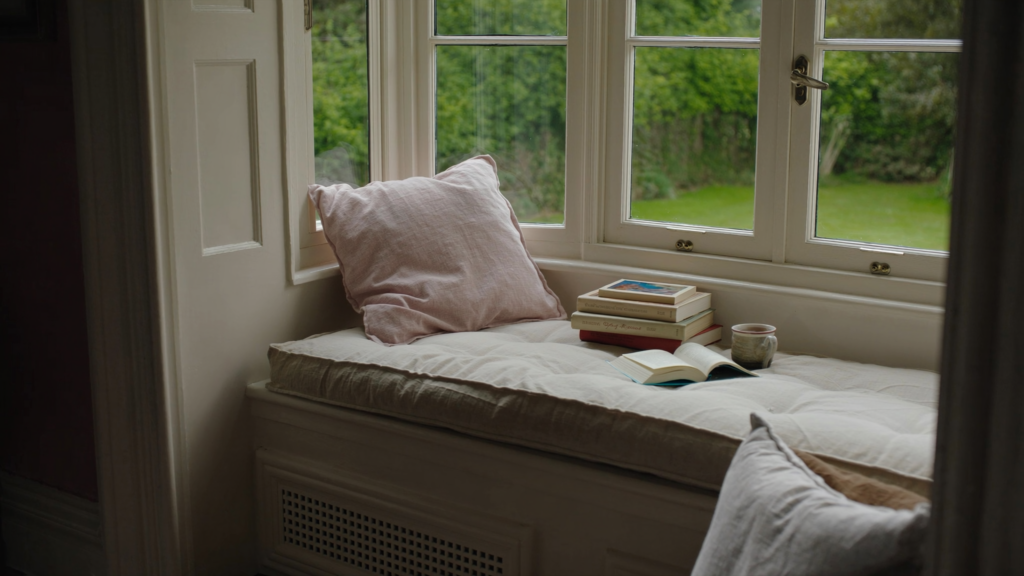
Choosing new windows is one of those home improvement decisions that feels straightforward until you start looking into it properly. The truth is that the debate between timber and uPVC goes far beyond aesthetics and price, in 2026, with net-zero targets and rising environmental awareness shaping how UK homeowners think about renovation, the ecological credentials of your window frames genuinely matter.
When comparing timber windows and uPVC on eco-friendly grounds, sustainably certified timber with FSC or PEFC accreditation generally holds the advantage due to its lower embodied carbon, biodegradability, and ability to store carbon throughout its lifespan. Standard uPVC is petroleum-derived and energy-intensive to manufacture, though recycled-content uPVC is improving the material's environmental credentials. Timber windows typically cost between £800 and £1,500 per window installed, compared to £400 to £700 for uPVC, but can last 60 or more years with proper maintenance. For most UK homeowners prioritising environmental impact, FSC-certified timber or high recycled-content uPVC are the two strongest choices, and in either case you should insist on a whole-window U-value of 1.2 W/m²K or below and installation by a FENSA or CERTASS registered contractor.
- Choose FSC or PEFC certified timber frames to ensure sustainably sourced wood with a verified lower embodied carbon footprint than standard uPVC
- Ask suppliers for a full lifecycle assessment or Environmental Product Declaration before committing to either material
- Request at least 3 quotes from FENSA or CERTASS registered installers to compare both timber and uPVC options on cost and specification
- If budget is a concern, look for recycled-content uPVC rather than virgin uPVC, as its environmental profile is meaningfully better
- Check whether your property is in a conservation area or listed, as timber frames may be required by your local planning authority regardless of personal preference
- Factor in maintenance costs over the window's full lifespan — untreated timber can need repainting every 5 to 7 years, adding to its lifetime cost
- Prioritise high whole-window U-values of 1.2 W/m²K or below for either material to ensure genuine thermal performance alongside eco credentials
- Understanding the Environmental Credentials of Window Materials
- Which Window Type Is More Eco Friendly Overall
- How Timber Windows Are Made and Where the Carbon Comes From
- How uPVC Windows Are Made and Their Environmental Trade-Offs
- Comparing Costs for Timber and uPVC Windows in 2026
- Maintenance, Lifespan, and the Long-Term Eco Calculation
- How to Choose the Right Window Material for Your Home
- Grants and Financial Support Available in 2026
When comparing timber windows and uPVC on eco-friendly grounds, sustainably certified timber generally carries a lower whole-lifecycle carbon footprint than standard uPVC, primarily because timber stores carbon and is biodegradable, while uPVC is petroleum-derived and energy-intensive to manufacture. However, the full picture is more specific, recycled uPVC programmes are improving the material’s environmental profile, and neither option is clearly superior without understanding your specific priorities, property type, and the certification credentials of what you are buying.
Understanding the Environmental Credentials of Window Materials
When people ask whether a product is “eco friendly,” the answer depends entirely on how you define the term, and for windows, a narrow definition will lead you astray. The environmental footprint of a window involves how well it keeps heat inside your home. It also encompasses embodied carbon (the carbon dioxide released during extraction, manufacturing, and transport), the product’s lifespan, how recyclable or biodegradable it is at the end of its life, and what happens when it is removed and disposed of.
Embodied carbon refers to the total greenhouse gas emissions associated with making a product before it ever reaches your home. This is distinct from operational carbon, which relates to the energy lost through poorly insulated windows during use. Both matter, but in 2026, with UK homes increasingly well insulated and heating systems becoming more efficient, embodied carbon is attracting far more attention from environmental bodies and retrofit advisers.
A lifecycle assessment, or LCA, is the methodology used by organisations including the UK Green Building Council to evaluate a material’s true environmental footprint, tracing every stage from raw material extraction through to eventual disposal. This is the gold standard for comparing materials like timber and uPVC fairly, and it is what genuinely eco-conscious homeowners should be asking suppliers about.
Neither timber nor uPVC emerges as an obvious winner from a lifecycle perspective. Both have real environmental advantages and real drawbacks. The important thing is to understand what those trade-offs actually are, rather than accepting marketing claims at face value. Window choice is increasingly relevant for homeowners pursuing EPC improvement, whole-home retrofit, or alignment with UK Government net-zero guidance. That makes this an important decision to get right from the outset.
Practical tip, Before speaking to any window installer, write down your environmental priorities in order. Is embodied carbon your main concern? Long-term repairability? Recyclability? Having clarity on this will help you ask the right questions and cut through sales patter.
Which Window Type Is More Eco Friendly Overall
Based on available lifecycle data, FSC-certified timber windows generally have a lower overall carbon footprint than standard uPVC windows, but certified recycled uPVC is closing the gap, and glazing specification matters more for thermal performance than frame material alone.
According to the Energy Saving Trust, the frame material of a window has a relatively modest impact on its thermal performance compared to the glazing specification, whether the unit is double or triple glazed, what gas fills the cavity, and what type of glass is used. Where timber and uPVC diverge most meaningfully on environmental grounds is in their manufacturing process and what happens to them at the end of their lives.
Timber, when sourced from certified sustainably managed forests, stores carbon throughout its working life and is biodegradable at the end of it. Standard uPVC, by contrast, is derived from fossil fuels, requires significant energy to manufacture, and is not universally recycled when removed from homes. Even so, the picture for uPVC is improving: industry recycling schemes such as Veka Rewindo now recover a meaningful proportion of old frames, and some manufacturers are incorporating recycled content into new profiles.
The critical qualifier for timber is certification. FSC (Forest Stewardship Council) and PEFC (Programme for the Endorsement of Forest Certification) are the two internationally recognised bodies that verify responsible forest management. Timber windows carrying these marks come from forests that are managed to maintain biodiversity, prevent deforestation, and ensure replanting. Uncertified timber should never be assumed sustainable, without independent verification, there is no reliable way to know where the wood originated.
For uPVC, the key question to ask any installer is whether removed old frames are taken to a licensed recycling facility or simply disposed of. Many are still going to landfill, which is a significant and avoidable environmental liability.
Practical tip, Always ask your timber window supplier for the specific FSC or PEFC certification number, not just a general claim. These numbers can be verified on the relevant certification body’s public register.
How Timber Windows Are Made and Where the Carbon Comes From
Timber windows have a genuinely low embodied carbon profile when the wood comes from a sustainably managed source, but the full manufacturing journey adds complexity worth understanding.
Trees absorb carbon dioxide as they grow. Sustainably managed forests maintain a continuous cycle of growth and harvesting, meaning the carbon stored in the wood remains locked in place for the duration of the window’s life. When a timber window is eventually disposed of and biodegrades (or is burned as biomass), that carbon is released, but the replanted trees absorb it again over the following decades, creating a broadly carbon-neutral cycle. This is fundamentally different from uPVC, where the carbon locked up in petroleum-derived plastic is released without an equivalent reabsorption process.
However, the journey from standing tree to fitted window does add carbon. Processing timber in a sawmill, transporting it (sometimes from Scandinavia or Central Europe), machining it into window profiles, applying preservative treatments, and finishing with paint or stain all require energy. Locally sourced UK hardwood or softwood, such as English oak or Scots pine, reduces transport emissions significantly and is worth prioritising if environmental impact is your primary concern.
Engineered timber window profiles are increasingly common in 2026. These are made by laminating multiple timber sections together, which improves dimensional stability, reduces warping and movement, and generally extends the working life of the frame compared to older solid softwood alternatives. Longer-lived frames mean fewer replacements and a lower overall carbon cost per year of service, a genuine eco advantage.
When shopping for timber windows, look for the FSC or PEFC logo on product documentation, ask about the wood species and country of origin, and enquire whether the factory applies finishes on-site (which is generally more efficient and durable than site-applied paint).
Practical tip, Engineered timber frames from a UK manufacturer using certified domestic or Scandinavian softwood represent a strong balance of environmental credentials, longevity, and cost. Ask suppliers specifically about their timber source and processing location.
How uPVC Windows Are Made and Their Environmental Trade-Offs
UPVC, which stands for unplasticised polyvinyl chloride, is a rigid plastic derived from fossil fuels, and its manufacture involves energy-intensive processes that produce chlorine-based chemical by-products, a concern flagged by bodies including the European Environment Agency.
The manufacturing process begins with petroleum and salt, which are chemically combined to produce vinyl chloride monomer, then polymerised into PVC resin. Stabilisers, pigments, and modifiers are added before the material is extruded into the hollow profiles that form the frame. The embodied carbon of this process is considerably higher than that of certified timber, and the chemical inputs involved are not environmentally benign.
However, it would be unfair and inaccurate to dismiss uPVC on environmental grounds without acknowledging its genuine advantages. UPVC windows are highly thermally efficient (particularly with appropriate glazing), require very little maintenance, and, this is the point that often gets overlooked in simple comparisons, they have a service life of 20 to 35 years before structural replacement is typically needed. When a low-maintenance product lasts three decades without requiring painting, stripping, and refinishing, that reduced maintenance activity has its own environmental benefit.
The most significant positive development for uPVC in recent years is the growth of frame recycling. Industry schemes such as Veka Rewindo collect old uPVC profiles, reprocess the material, and use it in new window profiles. Some manufacturers now offer frames with a percentage of recycled uPVC content. This is a genuine improvement, but it is still far from universal. Many removed frames are simply skipped and go to landfill. Homeowners must ask their installer directly and specifically whether old frames will be recycled, and request written confirmation if possible.
One important limitation of uPVC recycling is that the polymer degrades with each processing cycle, meaning it cannot be recycled indefinitely. After a finite number of reprocessing cycles, the material can no longer be used in window profiles and ultimately does reach the end of its recoverable life.
Practical tip, If you are having uPVC windows installed, ask your installer in writing which recycling scheme they use for old frames. If they cannot name a specific scheme, treat that as a red flag and factor it into your decision.
Comparing Costs for Timber and uPVC Windows in 2026
Cost is an unavoidable part of any window decision, and in 2026, the price gap between timber and uPVC remains significant, though it narrows considerably when you account for whole-life costs rather than just purchase price.
For a standard double-glazed uPVC casement window supplied and fitted in a typical UK home, expect to pay in the region of £300 to £700 per window, depending on size, specification, and installer. For FSC-certified timber double-glazed casement windows, the range is approximately £600 to £1,500 per window, with hardwood species such as oak or accoya at the higher end, and bespoke joinery above that again.
The cost difference reflects real differences in production. Timber windows require skilled joinery, more complex finishing processes, and greater quality control at installation. UPVC profiles are mass-produced through highly automated extrusion processes, which drives down unit costs significantly. Even so, timber’s longer expected lifespan, and its repairability when damaged, means the lifetime cost difference is often less dramatic than the upfront figures suggest.
| Feature | Timber Windows | uPVC Windows |
|---|---|---|
| Average cost per window (2026) | £600–£1,500 | £300–£700 |
| Expected lifespan | 40–60+ years | 20–35 years |
| Maintenance level | Moderate to high | Low |
| Recyclability | High (biodegradable and reusable) | Partial (scheme-dependent) |
| Embodied carbon | Lower (if FSC or PEFC certified) | Higher |
| Permitted in conservation areas | Usually yes | Often restricted or prohibited |
| Thermal performance (double glazed) | Comparable | Comparable |
| Repairability | High (can be patched and restored) | Low (typically replaced wholesale) |
Always get at least three quotes from FENSA- or CERTASS-registered installers. These are the two main competent person schemes that allow window installers to self-certify compliance with Building Regulations, using a registered installer protects you legally and ensures your windows are properly notified to your local authority.
Practical tip, When comparing quotes, ask each installer to break down the cost of the frame, glazing unit, and installation separately. This makes it easier to compare like for like and understand what you are actually paying for.
Maintenance, Lifespan, and the Long-Term Eco Calculation
The environmental impact of a window does not stop at the point of installation, lifespan and maintenance requirements are important parts of the eco calculation that are frequently underweighted in purchasing decisions.
Consider a simple scenario. A timber window installed today might last 60 years with appropriate care. Over that same period, a uPVC window may need full replacement once, possibly twice. Each replacement involves manufacturing and disposing of an entirely new set of frames, with all the associated embodied carbon and waste. This cumulative impact can significantly erode uPVC’s advantage of lower upfront cost and effort.
For timber windows, realistic maintenance involves repainting or re-staining every five to eight years, checking and replacing glazing seals when they begin to fail, and attending promptly to any early signs of rot or joint failure. This sounds demanding, and in the era of older solid softwood frames with oil-based paint, it genuinely was. Modern timber windows with factory-applied microporous paint systems, which allow the wood to breathe while resisting moisture penetration, have reduced this burden considerably. Many manufacturers now offer factory-finished frames with warranties of 10 years or more on the coating system.
One of timber’s most underappreciated environmental advantages is repairability. A skilled joiner can splice in new timber where rot has taken hold, replace individual sections of a sill, or rebuild a corner joint, extending the working life of the frame by decades. This kind of targeted repair is simply not possible with uPVC. When a uPVC frame is structurally compromised, the only realistic option is wholesale replacement, generating waste and triggering the embodied carbon of a new product all over again.
UPVC maintenance is genuinely straightforward, wiping frames with a mild cleaning solution, lubricating hinges and handles annually, and monitoring seals for degradation. This is a legitimate advantage for busy households. The environmental cost comes not from ongoing maintenance but from the end-of-life disposal scenario.
guide to repairing timber windows
Practical tip, If you already have timber windows showing early signs of deterioration, get a joiner to assess them before assuming replacement is necessary. Repair is almost always more environmentally sound than replacement, and often more cost-effective too.
How to Choose the Right Window Material for Your Home
Choosing between timber and uPVC involves balancing environmental priorities, budget, property type, and personal capacity for maintenance. The following steps will help you work through the decision methodically rather than being swayed by whichever salesperson you speak to last.
- Assess your property type, Listed buildings and properties within conservation areas in England, Scotland, and Wales are frequently subject to planning conditions that restrict or prohibit uPVC windows. Timber, particularly in traditional profiles that match original windows, is almost always the appropriate material in these circumstances. Always check with your local planning authority before purchasing anything.
- Clarify your environmental priorities, If reducing embodied carbon is your primary goal, focus on FSC or PEFC certification and ask suppliers for lifecycle assessment documentation. If your priority is long-term thermal performance, concentrate on glazing specification, U-values and gas fill, rather than frame material.
- Calculate whole-life cost, not just purchase price, Factor in repainting costs over a 60-year period for timber, and the likely cost of full replacement for uPVC after 20 to 35 years. Use these figures to build a fair comparison rather than simply comparing the upfront price per window.
- Check glazing specification separately, Both frame materials can achieve excellent thermal performance with the right glazing unit. Ask for the U-value of the complete window assembly (frame plus glass), and ensure it meets or exceeds the 2026 Part L Building Regulations requirement of 1.4 W/m²K or better for replacement windows in England. Scotland and Wales operate under their own building standards, so check the specific requirement for your location.
- Ask about end-of-life plans, Whether you are replacing uPVC or timber frames, ask your installer in writing what happens to the removed windows. For uPVC in particular, ask which specific recycling scheme they participate in and where the material is processed.
- Get at least three quotes and verify credentials, Prices vary significantly between installers. Use FENSA- or CERTASS-registered companies to ensure compliance with Building Regulations and that your installation is properly notified. You can verify registration on each scheme’s public register online.
guide to understanding window U-values and glazing specifications
Practical tip, If your home is in or near a conservation area, contact your local planning authority’s conservation officer before requesting quotes. They can advise on permitted window styles and materials, saving you the frustration of commissioning a full specification that turns out to be unacceptable.
Grants and Financial Support Available in 2026
Window upgrades on their own rarely qualify for standalone government grants in 2026, but they can be funded as part of a broader whole-home retrofit programme, and understanding where windows fit within the available schemes will help you plan your approach.
The ECO4 scheme (Energy Company Obligation, fourth iteration) provides funding for energy efficiency improvements in low-income households, or those referred via local authority flex eligibility routes. Windows may be included within an ECO4 package if they contribute meaningfully to EPC improvement, but they are not typically funded in isolation. Eligibility depends on household income, the property’s current EPC rating, and participation by your energy supplier. Contact your energy supplier directly or use the Energy Saving Trust’s referral service to check whether you qualify.
The Great British Insulation Scheme (GBIS) is focused on single-measure insulation improvements for homes in EPC bands D to G. Windows can qualify in some circumstances, particularly where draughtproofing or glazing improvements contribute to the primary insulation objective. As with ECO4, eligibility is not guaranteed for windows alone, check via the government’s official eligibility checker or speak to your energy supplier.
The Boiler Upgrade Scheme (BUS) provides £7,500 towards the cost of an air source heat pump and does not cover windows directly. However, improving window efficiency before installing a heat pump is genuinely beneficial, better-insulated windows reduce the heat demand on the system, improving its efficiency and reducing running costs. If you are planning a heat pump installation, treating window improvements as part of the preparatory work makes good practical and financial sense.
full guide to the ECO4 scheme and eligibility
how to improve your EPC rating before installing a heat pump
Some local authorities operate their own retrofit grant programmes through the Warm Homes Local Grant, which replaced earlier Warm Homes Fund streams. These schemes vary significantly by region, so it is worth checking what your local council offers independently of national programmes. The Energy Saving Trust has a regularly updated grants database that is worth consulting before you commit to any expenditure.
Window improvements are best treated as part of a whole-home retrofit plan rather than a standalone upgrade. Combining them with insulation, draught-proofing, and heating improvements improves your chances of grant eligibility and delivers far greater energy and carbon savings than any single measure in isolation.
| Scheme | What it covers | Who qualifies | Windows included |
|---|---|---|---|
| ECO4 | Whole-home energy efficiency measures | Low-income households, EPC D or below | Possible, as part of a package |
| Great British Insulation Scheme | Single insulation measures | EPC D–G, income thresholds apply | Possible in some circumstances |
| Boiler Upgrade Scheme | Heat pump installation | Most homeowners with suitable properties | Not covered |
| Warm Homes Local Grant | Varies by local authority | Varies by region | Varies, check locally |
Practical tip, Before approaching any grant scheme, get your home assessed by a TrustMark-registered retrofit assessor. TrustMark is the government-endorsed quality scheme for all green home improvements, and using a registered professional ensures your assessment meets the standards required by most funding programmes. You can find registered assessors at trustmark.org.uk.
complete guide to whole-home retrofit planning for UK homeowners
Ultimately, the timber versus uPVC debate in 2026 does not have a single right answer, but it does have a right process. Understanding embodied carbon, lifespan, repairability, and the certification credentials of what you are buying puts you in a far stronger position than simply going with the cheapest quote or the most convincing salesperson. For most eco-conscious UK homeowners who can accommodate the higher upfront cost and periodic maintenance, FSC-certified timber windows offer a compelling environmental case. For those prioritising budget, low maintenance, or living in a property where timber is impractical, carefully specified uPVC with verified recycling commitments remains a reasonable choice, provided you push installers hard on what actually happens to your old frames.
Frequently Asked Questions
Sustainably certified timber generally has a lower whole-lifecycle carbon footprint than standard uPVC because wood stores carbon and is biodegradable, whereas uPVC is petroleum-derived and energy-intensive to produce. However, recycled-content uPVC programmes are narrowing the gap, so the answer depends on certification and sourcing. Look for FSC or PEFC certified timber, or recycled uPVC, to get the best environmental outcome from either material.
In the UK, uPVC double-glazed windows typically cost between £400 and £700 per window including installation, while sustainably certified timber windows usually range from £800 to £1,500 or more per window depending on size, glazing specification, and finish. Triple-glazed timber windows can exceed £2,000 per unit. The higher upfront cost of timber can be offset by its longer potential lifespan of 60 or more years when properly maintained, compared to a typical 20 to 35 year lifespan for uPVC.
The Boiler Upgrade Scheme does not cover windows directly, and the ECO4 scheme can include glazing improvements for qualifying households. Contacting your local council and checking the government's Simple Energy Advice service is the recommended first step to identify what funding you may be entitled to.
UK Building Regulations currently require replacement windows to achieve a whole-window U-value of no worse than 1.4 W/m²K, though many high-performance products in 2026 achieve 1.2 W/m²K or below. Triple glazing can reach U-values as low as 0.8 W/m²K. FENSA or CERTASS registered installers are legally required to ensure your replacement windows meet these standards and will issue a certificate of compliance that you will need when selling your home.
UPVC can technically be recycled, and the British Plastics Federation runs industry take-back schemes through which old uPVC window frames can be reprocessed into new profiles rather than going to landfill. However, collection rates remain inconsistent and not all installers participate in these programmes. When getting quotes, ask installers specifically whether they will return your old frames to a certified uPVC recycling scheme, as this significantly improves the end-of-life environmental profile of the material.




