Why Settle Homeowners Are Looking at Double Glazing Right Now
Settle sits in the Ribble Valley at the foot of the Yorkshire Dales, and if you live here you already know that winters feel noticeably colder than the weather apps suggest. The town’s position, tucked beneath Castleberg Crag with open moorland funnelling air down from the Dales, means that even a moderate north-westerly cuts straight through older windows like they’re barely there.
Then there’s the energy picture. Settle’s average EPC rating is Band E, which is below the national average of Band D. That means most homes here are losing more heat, and spending more money, than they need to. With gas usage averaging 13,600 kWh per year, already near the national median, upgrading to double glazing is one of the most direct ways to push that figure down and keep more money in your pocket.
There’s also a growing awareness in Settle that the ECO4 and Great British Insulation Scheme grants won’t be around forever. Homeowners with Band E ratings are sitting in exactly the sweet spot for eligibility, and many people are rushing to take advantage before the funding landscape changes. That’s creating real urgency, and local installers serving the area are reporting strong enquiry levels right through the colder months.
What Double Glazing Actually Involves for a Typical Settle Home
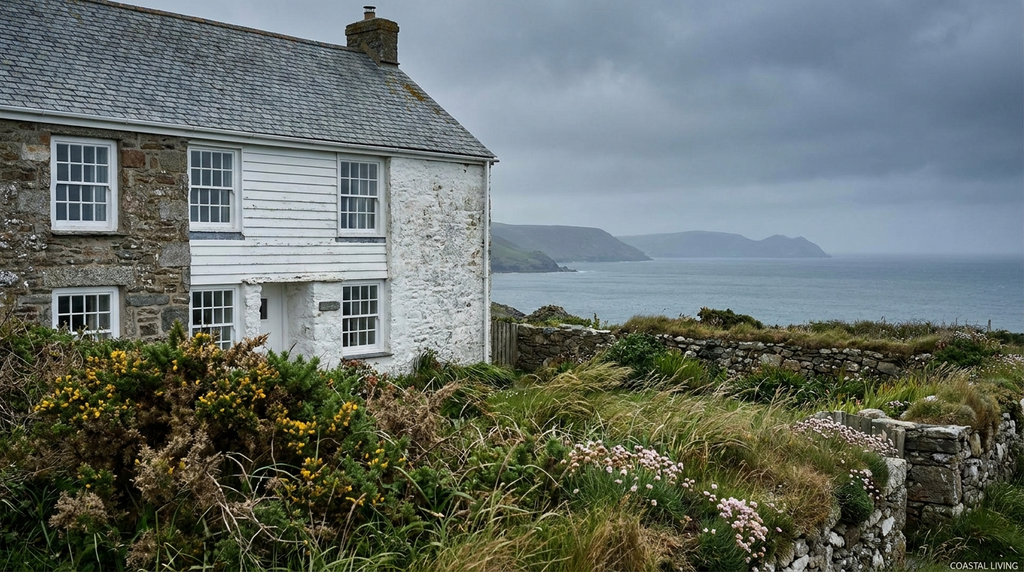
Settle’s housing stock is fascinating and, from an installation perspective, genuinely varied. The town centre is dominated by stone-built terraced cottages and townhouses, most of which date from the Victorian and Edwardian eras, think thick limestone walls, deep window reveals, and timber frames that have been repaired and repainted many times over.
For these properties, the main challenge isn’t the glazing itself, it’s the reveals. Deep stone reveals mean standard UPVC frames need to be carefully measured and sometimes built out with extension profiles to sit flush and look right. Get this wrong and you end up with draughts at the edges or frames that look awkward against all that beautiful stonework.
Detached properties on the edges of Settle, particularly those on the newer developments off Ingfield Lane and around the Station Road area, tend to be 1970s to 1990s builds with standard timber or early UPVC frames. These are often straightforward swaps, but the original frames can be tired and the surrounding walls may need attention before the new units go in.
A few things that make Settle installations a bit more involved than, say, a suburban semi in Skipton:
- Parking and access, The town centre streets are narrow, and delivery vehicles can struggle to get close to properties on Duke Street, High Street, and Church Street. Expect installers to factor in carry distances when quoting
- Stone surrounds, Limestone frames around windows look striking but can be fragile. A good installer will work carefully around them; a poor one will chip and crack them without a second thought
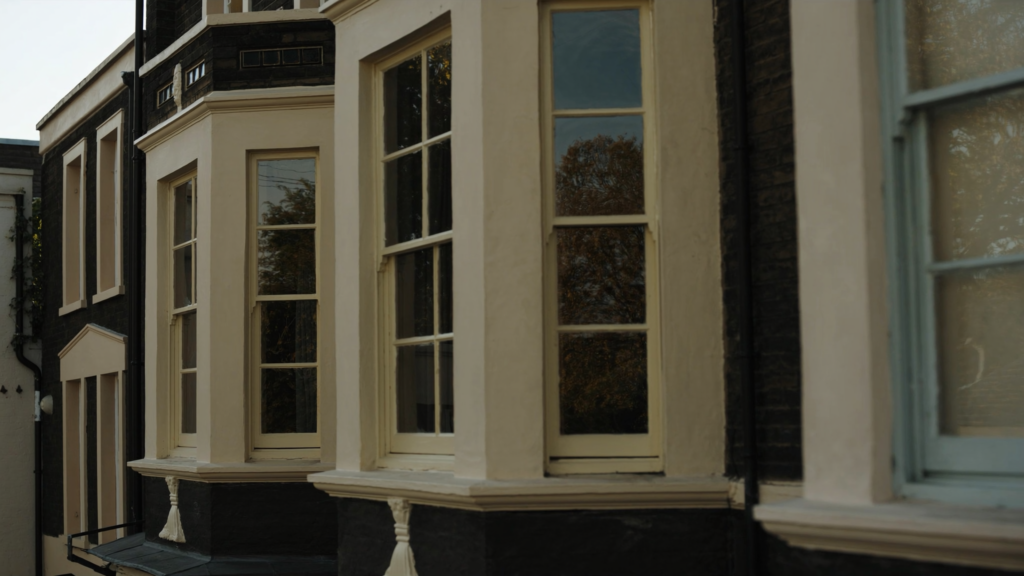
- Sash windows, A number of older terraced properties still have original vertical sliding sashes. These require specialist double-glazed sash replacements rather than a standard casement swap, which costs more but preserves the character of the home
- Conservation area restrictions, Large parts of Settle town centre fall under conservation area designation (more on this below), which limits what you can fit without approval
The good news is that stone walls, while challenging for some upgrades, are actually brilliant at retaining heat once the windows are sorted. Double glazing removes the weakest link in older Settle homes.
How Much Double Glazing Costs in Settle and the Yorkshire and the Humber Area in 2026
Let’s talk numbers. Prices in Settle tend to run around 5-10% above the Yorkshire and the Humber average, mainly because installers are travelling from Skipton, Grassington, or Clitheroe and factoring in fuel and time. Even so, competition between companies serving this cluster of towns keeps prices from getting unreasonable.
| Property Type | Number of Windows | Standard UPVC Double Glazing | Flush Casement (period look) | Double-Glazed Sash Windows |
|---|---|---|---|---|
| Small terraced cottage | 4-6 windows | £2,800, £4,200 | £3,800, £5,500 | £4,500, £6,800 |
| Mid-terraced townhouse | 6-8 windows | £3,500, £5,200 | £4,800, £7,000 | £6,000, £9,000 |
| Detached house (standard) | 8-12 windows | £5,000, £7,500 | £6,500, £9,500 | N/A (usually casement) |
| Larger detached with bay | 12-16 windows | £7,000, £10,500 | £9,000, £13,500 | N/A |
| Including patio/French doors | Add-on cost | +£1,200, £2,000 | +£1,800, £3,000 | N/A |
For comparison, the Yorkshire and the Humber average for a mid-terraced home sits around £3,200, £4,800 for standard UPVC, so Settle’s premium is modest but real. Skipton and Clitheroe homeowners typically pay slightly less due to better installer access and more competition in those larger towns.
Always get three quotes, and make sure at least one comes from a company that specifically mentions experience with stone-built Yorkshire properties. The cheapest quote isn’t always the cheapest job once remedial work is factored in.
How Settle’s Weather and Location Affect Your Double Glazing Choices
Settle gets roughly 1,000 sunshine hours a year, not coastal Cornwall, but not Scandinavian either. That moderate solar potential means south and west-facing windows benefit from solar gain in winter, which is actually a useful passive heating tool if you choose the right glass specification.
Rainfall sits between 700 and 1,000mm per year, higher than lowland Yorkshire towns, because the Dales topography encourages orographic rainfall. That means weather seals and drainage channels on your window frames need to be properly designed, a window that performs brilliantly in a Skipton suburb can develop damp ingress on an exposed Settle hillside if the drainage is poorly thought out.
Wind exposure here is moderate rather than severe, but the funnelling effect of Ribblesdale means gusts can feel surprisingly sharp around properties on the northern and western edges of town. If your home faces open countryside toward Giggleswick or Langcliffe, it’s worth specifying reinforced or multi-chambered frames for added rigidity and better acoustic performance.
The heating degree day count for this part of North Yorkshire sits between 1,500 and 1,800 per year, meaning winters are meaningful but not extreme. Double glazing with a U-value of 1.2 W/m²K or better will make a genuine, noticeable difference to comfort levels and bills in these conditions.
The Products and Options That Work Best Here
Given everything above, here’s what actually performs well for Settle properties rather than a generic features list:
For Victorian and Edwardian stone terraces, flush casement UPVC in a cream or grey finish is the most sympathetic choice and won’t immediately trigger a planning objection in the conservation area. Specify A++ energy-rated units with argon-filled double glazing and warm-edge spacer bars. Avoid bright white frames against Settle limestone; they look wrong and age poorly.
For sash-fronted townhouses, double-glazed timber sash replacement windows, or high-quality UPVC vertical sliders with authentic run-through horns, are the right call. Yes, they cost more. But they hold their value, they’re period-appropriate, and they’re far less likely to cause problems if you’re in or near a conservation area. Look for units with a U-value of 1.4 W/m²K or better.
For detached 1970s-1990s homes, standard A+ or A++ rated white UPVC casements are perfectly appropriate and offer the best value. If south-facing, consider solar control glass to prevent overheating in summer, the moderate but real sunshine hours here make this worthwhile on large pane areas.
For all properties, laminated inner panes are worth considering for any ground-floor windows facing the road or an alleyway. Settle is a quiet town, but laminated glass significantly raises the effort needed for opportunistic break-ins.
Avoid cheap toughened-only units from national chain companies using travelling salespeople. Several Settle homeowners have reported issues with misting between panes within 5-7 years from budget installations, look for manufacturers offering 10-year sealed unit guarantees as a minimum.
How to Find a Trustworthy Double Glazing Installer Near Settle
There are no dedicated double glazing showrooms in Settle itself, the town’s size means you’ll be working with companies based in Skipton, Grassington, or further afield in Clitheroe or Colne, all of which are within a 25km radius and routinely quote for Settle work.
When comparing companies, look for these credentials:
- FENSA registration, this is the most important one for replacement windows. A FENSA-registered installer self-certifies compliance with building regulations, saving you the cost of a local authority inspection. Always ask for the FENSA certificate on completion
- TrustMark accreditation, government-endorsed quality standard that gives you added consumer protection
- Which? Trusted Trader or similar independent vetting, useful for smaller local firms who may not carry all national accreditations
- Insurance-backed guarantees, the company’s own guarantee is only worth as much as the company. A third-party insurance-backed guarantee (IBG) protects you if the installer goes bust
Questions worth asking before you sign anything include whether they’ve worked on limestone-fronted properties before, whether they handle the building regulations paperwork themselves, and what their policy is if a window seal fails within the first decade. Red flags include pressure to sign on the day, refusing to provide a written quote, or being unable to name their frame and sealed unit manufacturer.
Lead times from Skipton and Clitheroe-based installers are typically 3-6 weeks from survey to installation in 2026, though busy spring periods can push this closer to 8 weeks.
Grants and Funding That Could Reduce Your Costs in 2026
Here’s where Band E actually works in your favour. Settle’s below-average EPC rating means a significant number of residents qualify for government-backed support that homeowners in better-rated properties simply don’t.
ECO4 (Energy Company Obligation), This is the big one. If you’re on a qualifying benefit (Universal Credit, Pension Credit, Child Benefit and others), and your home is Band E or below, you may be eligible for fully or heavily subsidised double glazing. North Yorkshire Council administers local referrals, contact them directly or check their website to see whether Settle falls within current ECO4 delivery areas. Grants can cover the full cost of glazing in some cases.
The Great British Insulation Scheme closed on 31 March 2026. It funded insulation measures only and never covered windows or glazing. Again, Band E homes are in the priority group. North Yorkshire Council’s energy efficiency team is your first call.
Warm Homes Plan, The government’s Warm Homes Plan, running through 2026 and beyond, includes provisions for window upgrades in low-income and low-EPC properties. Eligibility and application routes are confirmed through your local authority, so contact North Yorkshire Council’s housing team for current Settle-specific availability.
North Yorkshire Council Local Support, North Yorkshire Council merged from several district authorities and has run its own flexible grant top-up schemes. It’s worth a direct call to ask what’s currently active for private homeowners in the Settle area specifically, schemes change and are sometimes undersubscribed.
Even if you don’t qualify for a full grant, some energy suppliers offer partial contributions under their ECO4 obligations to homeowners who don’t receive benefits but live in lower EPC-rated homes. It’s always worth ringing your supplier and asking.
Planning Permission and Regulations in Settle
This section is particularly important if you live in the town centre or in one of Settle’s older residential streets.
Much of Settle’s historic core, including streets around the Market Place, Chapel Street, and the areas flanking the Parish Church, falls within a designated conservation area. In a conservation area, you cannot simply fit any replacement window you choose. Specifically, you need to maintain the character of the original windows in terms of material appearance, profile, and style. UPVC that mimics timber is sometimes acceptable; bold modern frames in the wrong colour or profile are not.
For properties in the conservation area, you should contact North Yorkshire Council’s planning department before ordering, not after. They can advise whether your proposed installation requires Listed Building Consent or planning permission. Many don’t, but it’s always better to check first.
For detached and terraced homes outside the conservation area, replacing like-for-like windows is generally covered by permitted development rights. No planning permission is needed as long as the replacement doesn’t materially alter the external appearance in a way that affects the character of the building. However, building regulations still apply, and your FENSA-registered installer handles this automatically.
If your property is a Listed Building, and there are several in and around Settle, you will need Listed Building Consent regardless of what changes you’re making to windows. This is a separate process and non-negotiable.
What You Will Actually Save, Honest Numbers for Settle Homes
Let’s put real figures against real conditions. Settle homes average 13,600 kWh of gas per year and an EPC Band E rating. That’s a home that’s losing heat, and windows are typically responsible for around 10-18% of total heat loss in a poorly glazed property.
Upgrading from single glazing (or failed double glazing) to A-rated double glazing typically saves between £130 and £250 per year on heating bills for a mid-sized Settle terraced home, depending on how bad the existing windows are and how much of the heating load they’re responsible for. Detached homes with more glazed area can see savings toward the upper end of £200-£350 per year.
Based on those figures:
- Conservative estimate, £130/year saving on a terraced property. At a total installed cost of £4,000, payback period is around 30 years. This is the honest low end
- Realistic mid estimate, £200/year saving. Payback period around 20 years on a full terraced replacement
- Optimistic estimate, £300/year saving on a larger detached home with poor existing glazing. Payback closer to 17-