Why Colne Homeowners Are Finally Fed Up With Draughty Windows
There’s something very specific about sitting in a Victorian terraced house on Burnley Road on a wet January evening, feeling that familiar cold draught creeping in around the window frames. If you’ve lived in Colne for any length of time, you’ll know exactly what that feels like. And you’re far from alone, with the town sitting at an average EPC Band E, most homes here are losing heat faster than they should, and energy bills are reflecting that every single month.
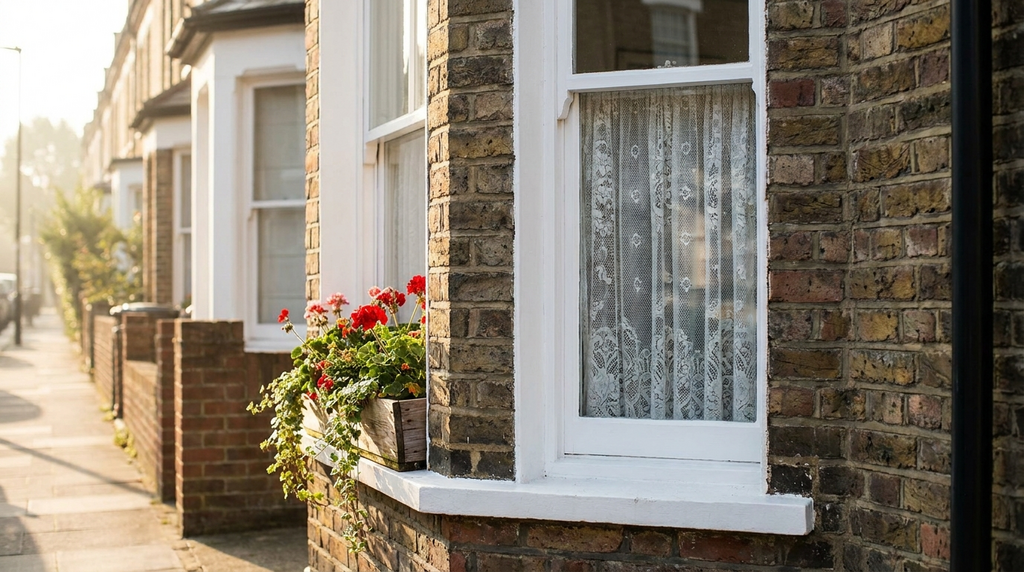
Colne sits at around 150 metres above sea level on the edge of the Pennines, and while it’s not as exposed as the higher moorland villages nearby, it still catches its fair share of cold, damp air sweeping down from the hills. The town’s housing stock, predominantly Victorian and Edwardian terraces built for mill workers, was constructed long before anyone thought seriously about thermal performance. Single-glazed windows and draughty timber frames were just the norm back then.
What’s changed recently is the combination of rising energy costs and increased awareness of retrofit grants. A lot of Colne residents are realising that their Band E rated home could realistically jump to Band D or even C with the right upgrades, and double glazing is often the most visible and practical starting point. It’s also worth noting that because Colne uses around 13,000 kWh of gas per year, right around the national median, any meaningful reduction in heat loss has a real, measurable impact on your bills.
What Double Glazing Actually Involves When Your Home Was Built Before the Welfare State
The vast majority of homes in Colne were built between roughly 1860 and 1940. That means thick stone walls, relatively narrow window openings, and, in many cases, original timber frames that have been painted over so many times they’re practically sculptural at this point. Installing double glazing in these properties is doable, but it’s not always a simple drop-in job.
For a standard mid-terrace on a street like Albert Road or around the Park Hill area, the main practical consideration is access. Terraced houses by definition share party walls, which means your installer can only reach the front and rear elevations. Front windows are usually straightforward. The back is where things get interesting, many Colne terraces have small rear yards with limited turning space, which can add time and occasionally cost to a job if the installer needs to carry materials through the house.
Semi-detached properties, more common in areas like Laneshawbridge or the newer estates towards the Vivary Bridge end of town, tend to be easier to work on. You’ve usually got side access, larger window openings, and the frames are often more recent, meaning replacement is more straightforward.
Here’s what the installation process typically looks like for a Colne terraced home:
- A surveyor visits to measure each opening and assess the existing frame condition
- Frames are manufactured to order, usually a 3 to 5 week lead time from North West suppliers
- Old frames are removed, new ones fitted into the existing masonry opening (no structural work needed in most cases)
- Gaps are sealed, internally and externally, with appropriate mastic and trim
- The whole job for a typical 3-bed terrace takes 1 to 2 days
One thing worth flagging for older stone properties, if your existing window openings have settled or aren’t perfectly square (very common in pre-war Colne housing), your installer needs to account for this when measuring. A good surveyor will spot this immediately. A less careful one might not, and you’ll end up with draughts around the frame edge that defeat the whole purpose.
How Much Double Glazing Costs in Colne and the Wider Pendle Area in 2026
Let’s get to the numbers. Costs in Colne sit broadly in line with the North West average, though you may find that smaller local installers based in Nelson or Burnley are marginally more competitive than larger national chains, simply because their overheads are lower and they’re not adding travel costs from Manchester or Preston.
| Property Type | Number of Windows | Standard uPVC Double Glazing | Flush Sash uPVC (period-appropriate) | Aluminium Double Glazing |
|---|---|---|---|---|
| 2-bed terrace | 4 to 6 | £2,800 to £3,800 | £3,500 to £4,800 | £4,200 to £5,600 |
| 3-bed terrace | 6 to 8 | £3,800 to £5,200 | £4,800 to £6,500 | £5,800 to £7,800 |
| 3-bed semi-detached | 7 to 10 | £4,500 to £6,200 | £5,500 to £7,800 | £6,800 to £9,200 |
| 4-bed semi-detached | 10 to 14 | £6,000 to £8,500 | £7,500 to £10,500 | £9,000 to £13,000 |
These figures include supply, fitting, and disposal of old frames. They don’t include any scaffolding, which may be needed if you have first-floor windows on a steep elevation, add roughly £400 to £700 for a standard scaffold tower hire if required.
Compared to the national average, Colne sits roughly 5 to 10% below what you’d pay in London or the South East for equivalent work. Labour costs in Lancashire are genuinely more competitive. However, if you’re comparing with larger North West cities like Manchester or Salford, the difference is smaller, you’re roughly on par.
Neighbouring towns give a useful benchmark. Work in Clitheroe tends to be slightly pricier due to conservation area complexity. Burnley and Nelson are comparable to Colne. Skipton, being in North Yorkshire, runs marginally higher. Getting quotes from installers who cover this cluster of towns is a smart move, they know the local housing stock and won’t be surprised by anything they find.
How Colne’s Position on the Pennine Edge Changes What You Should Buy
Colne isn’t a coastal town, so you’re not dealing with salt spray degrading frames, and it’s not in a high-wind zone like exposed moorland villages a few miles to the east. But sitting at the foot of the South Pennines does mean your home sees more rainfall than the national average, the Pendle area typically receives 850 to 950mm of rain per year, and more importantly, a lot of that comes as driven horizontal rain on westerly and south-westerly winds.
This matters for double glazing in a very practical way. Water infiltration around poorly sealed frames is a genuine risk in this climate, particularly on the south-west facing elevations of terraced streets. When you’re getting quotes, specifically ask installers about their weather sealing specification and what gasket material they use. High-quality EPDM rubber gaskets outlast cheaper alternatives significantly in wet upland conditions.
The other local factor worth considering is temperature cycling. Colne experiences moderately cold winters, typically around 1,600 to 1,700 heating degree days per year, combined with reasonable summer warmth. This means your frames will expand and contract across a fairly wide temperature range annually. uPVC handles this well as standard, but if you’re considering timber or composite frames for aesthetic reasons, make sure your installer specifies a treatment and finish rated for upland Lancashire conditions.
On the plus side, Colne gets around 1,100 to 1,200 sunshine hours annually, which is modest but not negligible. South-facing rooms can benefit meaningfully from solar gain during winter months, so if you have a south-facing living room, consider specifying a glass unit with a slightly higher solar heat gain coefficient (look for SHGC values above 0.5) rather than the most aggressively low-emissivity options, which can actually reduce passive solar benefit.
The Specific Products That Actually Perform Well in Colne Housing Stock
Given everything above, here’s what I’d genuinely recommend for different situations you’re likely to encounter in Colne:
For a standard Victorian terrace with no heritage restrictions, a quality uPVC casement window with a low-E double glazed unit (4mm outer, 16mm argon-filled cavity, 4mm inner) will hit a U-value of around 1.2 W/m²K, putting it well into A-rated territory. Brands like Deceuninck or Rehau profiles are widely available through North West trade suppliers and represent good value for money. Avoid budget-end PVC that feels flimsy, the wall thickness on cheaper profiles is noticeably lower and they won’t last as well through the Lancashire winters.
For a property in or near a conservation area, a flush sash uPVC window mimics the slim sight lines of original timber sashes and will satisfy most planning conditions while still delivering modern thermal performance. These cost more (see table above) but they look genuinely period-appropriate on Colne’s stone-fronted terraces.
For a 1970s or 1980s semi-detached, if you already have older double glazing that’s misted or failed, a straight replacement with modern triple glazing might actually be worth considering. The price premium over standard double glazing has narrowed to around 20 to 25%, and for a living room facing north or north-west, that extra glass layer can make a noticeable comfort difference on cold evenings.
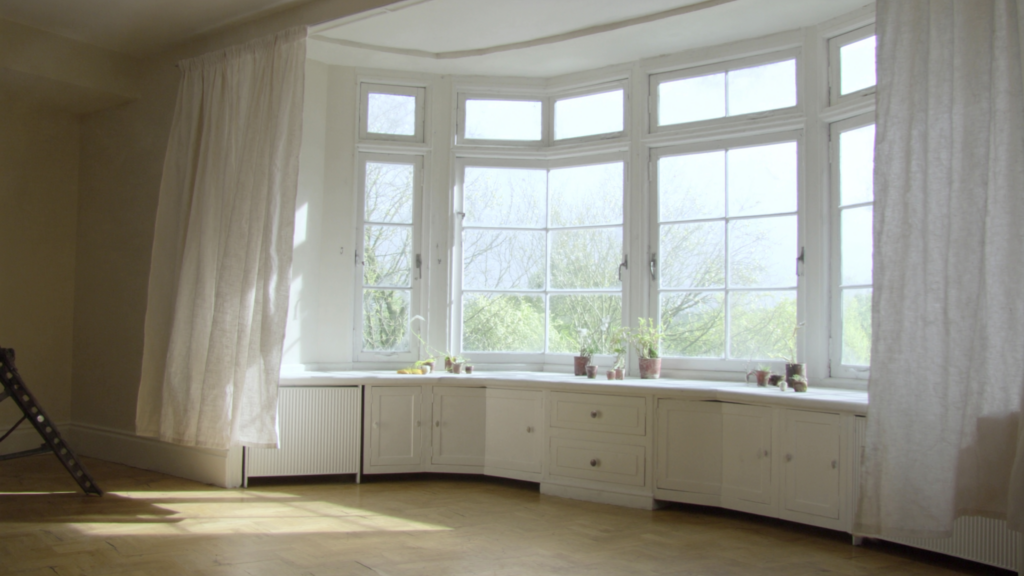
For anyone with a bay window, very common on Edwardian semis around Vivary Bridge, make sure your installer has specific experience with angled bay units. These require bespoke frames and careful sealing at the join points. It’s not difficult work, but it needs someone who’s done it before.
Finding an Installer You Can Actually Trust When You’re This Far From a City
Colne’s size, around 18,000 residents, means you’re unlikely to have a huge choice of local double glazing companies based specifically in town. In practice, most installations here are carried out by companies based in Nelson, Burnley, or occasionally Skipton, who cover a cluster of towns across this part of East Lancashire and the Craven area.
That’s not a problem, but it does mean doing a bit more homework than if you were in a larger city. Here’s what to check:
- FENSA registration, this is non-negotiable for replacement windows. FENSA-registered companies self-certify that their work meets Building Regulations, which means you avoid needing separate planning permission for standard replacement work. Always ask for the FENSA number and verify it on the FENSA website.
- TrustMark approval, particularly important if you’re accessing any grant funding, as several schemes require TrustMark-registered contractors.
- Check they know Pendle Borough Council’s specific requirements, more on this below, but an installer familiar with local conservation area rules is worth their weight.
- Ask for references from local jobs, specifically in Colne, Nelson, or Brierfield, not just from Burnley or further afield. Local references mean they understand the specific housing stock.
Red flags to watch for: pressure to sign on the day, unusually low quotes that seem too good to be true, vague answers about the U-value specification of their glass units, and anyone who doesn’t want to carry out a proper survey before quoting. Lead times from reputable North West installers are currently running at 4 to 7 weeks for standard jobs.
Grants and Funding That Could Cut Your Costs in 2026
Here’s the genuinely good news for Colne homeowners. Because the town sits at an average EPC Band E, below the national Band D average, a significant proportion of residents qualify for support under current government schemes. This isn’t a token amount either; we’re talking about contributions that can cover a large portion of the installation cost.
ECO4 (Energy Company Obligation), this is the big one for Colne. If your home is EPC Band D or below (which most are) and you receive qualifying benefits, you may be eligible for fully funded or heavily subsidised improvements including double glazing as part of a whole-home retrofit. Contact Pendle Borough Council’s housing team or check the government’s ECO4 eligibility checker. Energy companies are obligated to deliver this scheme, so it’s real money, not aspirational.
The Great British Insulation Scheme closed on 31 March 2026. It funded insulation measures only and never covered windows or glazing. Double glazing can be included as a qualifying measure. The scheme doesn’t cover the full cost, but means-tested support can cover a substantial proportion.
Boiler Upgrade Scheme (BUS), this is specifically for heat pump installations rather than windows directly, but it’s worth mentioning because double glazing is often recommended alongside a heat pump installation to improve the overall fabric efficiency of the home. If you’re planning a whole-house retrofit, these schemes can stack.
Warm Homes: Local Grant, the successor to previous local authority-administered schemes, this channels funding through councils like Pendle Borough Council to low-income households. Check directly with the council for current availability and application windows, as funding rounds open and close throughout the year.
One practical tip, before applying for anything, get an up-to-date EPC assessment. Your current band will determine which schemes you qualify for, and if your last EPC is more than a couple of years old, it may not reflect work you’ve already done.
Planning Permission and Pendle Borough Council Rules You Actually Need to Know
For most Colne homeowners, replacing windows with double glazing falls under permitted development rights, meaning you don’t need to apply for planning permission. The key conditions are that the replacement windows must be similar in appearance to the originals, and the work must comply with Building Regulations (which your FENSA-registered installer handles automatically).
However, Colne does have areas where the rules are more specific. The town centre and parts of the historic core are subject to conservation area designation under Pendle Borough Council’s planning policies. If your property is within a conservation area, you’ll need to ensure that your replacement windows are like-for-like in terms of appearance. This typically means matching the original style, sash for sash, casement for casement, and using materials and profiles that don’t materially alter the character of the building.
In practice, this usually means flush sash uPVC or timber alternatives rather than standard chunky uPVC frames. It does add cost, but it’s not a barrier to double glazing, it just narrows your product choices. Always check with Pendle Borough Council’s planning department if you’re uncertain whether your property falls within a conservation area. The council’s online planning map makes this straightforward to verify.
If your home is a Listed Building, the rules are stricter still, you’ll need Listed Building Consent for any window changes, and secondary glazing (fitted inside the existing frames) is sometimes the more practical route. There are relatively few listed residential properties in Colne, but it’s worth checking before you commit to anything.
What You Will Realistically Save on Your Bills, Honest Numbers for Colne
Let’s put some real figures on this, based on Colne’s actual energy data rather than optimistic national averages.
With 13,000 kWh of gas usage per year, a typical Colne home is