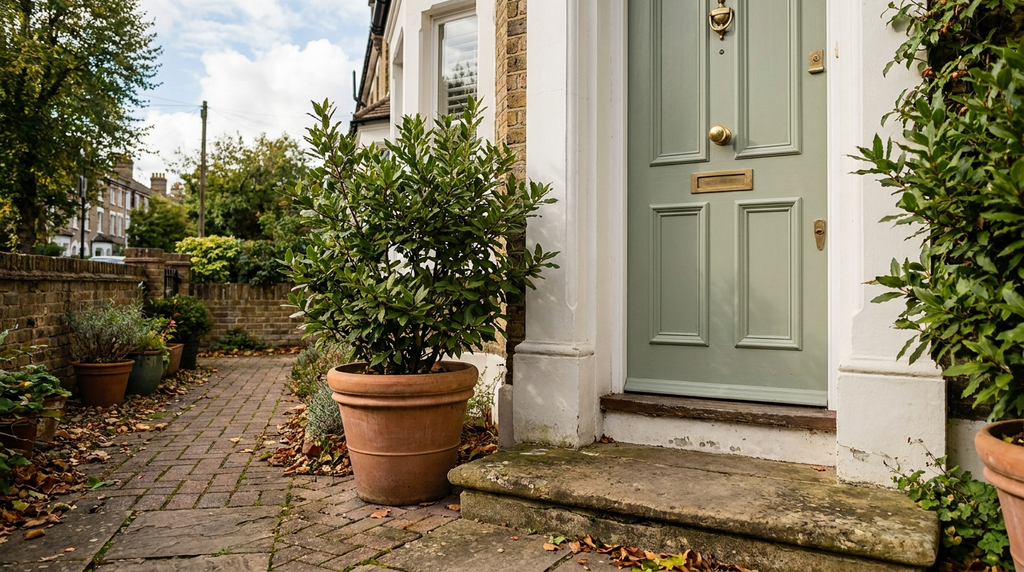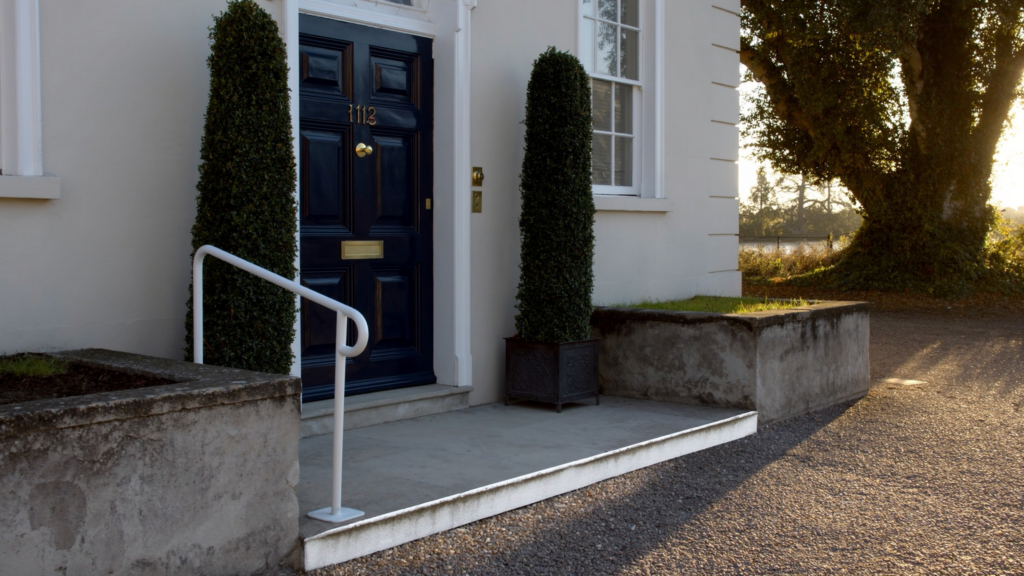
Replacing an old door can cut heat loss by up to 30% and save around £120 a year on energy bills
If your external door is an old solid timber or metal model, it is likely losing a significant amount of heat. Replacing it with a modern composite or uPVC door can reduce that heat loss by up to 30%, according to the Energy Saving Trust (Energy Saving Trust, 2026). For a typical semi-detached house in England, this translates to an average saving of around £120 per year on energy bills, based on 2026 data from the Department for Energy Security and Net Zero (DESNZ, 2026).
The actual savings you achieve will depend on several factors. These include the size of the door, whether it faces north or is exposed to wind, and how well the rest of your home is insulated. A detached house with a large, exposed front door could see higher savings, while a flat with a sheltered entrance may see lower savings.
How to measure your current door’s U-value and compare it to modern standards
A U-value measures how much heat passes through a material. It is expressed in watts per square metre per degree of temperature difference (W/m²K). A lower U-value means less heat loss.
A typical old solid timber door has a U-value of 3.0 to 4.0 W/m²K, according to Building Regulations Approved Document L (GOV.UK, 2026). A modern composite door usually has a U-value of 1.0 to 1.4 W/m²K. The Passivhaus standard for doors is below 0.8 W/m²K. You can find the U-value for a new door on its energy label, which follows the British Fenestration Rating Council (BFRC) rating system (BFRC, 2026). The manufacturer should also provide a test certificate on request.
The three main types of replacement door and their heat-loss performance
Composite doors are the best option for reducing heat loss. They typically have a U-value of 1.0 to 1.4 W/m²K, offer strong draught-proofing, and are durable. Installed costs range from £600 to £1,200, based on MCS product data (MCS, 2026).
uPVC doors are a cheaper alternative, with a U-value of 1.2 to 1.6 W/m²K. They cost between £400 and £800 installed. However, they are less durable than composite doors and may warp over time, which can reduce their energy performance.
Solid timber doors are often chosen for their appearance, but they are the worst for heat retention. Unless they have a heavily insulated core, their U-value is 2.0 to 3.0 W/m²K. Installed costs are £800 to £1,500 (Energy Saving Trust, 2026).
Quick numbers cost, savings, and payback for a single external door replacement
| Door type | Typical installed cost | Annual energy saving (semi-detached) | Payback period | U-value range (W/m²K) |
|---|---|---|---|---|
| Composite (mid-range) | £800–£1,200 | £120 | 7–10 years | 1.0–1.4 |
| uPVC (budget) | £400–£800 | £100 | 4–8 years | 1.2–1.6 |
| Insulated timber (premium) | £1,200–£1,500 | £80 | 15–19 years | 1.8–2.2 |
| Glazed door (with double glazing) | £900–£1,400 | £90 | 10–16 years | 1.2–1.8 |
Figures are based on Energy Saving Trust cost data and DESNZ historical scheme data (Energy Saving Trust, 2026). Payback periods assume current energy prices and no grant funding.
How to draught-proof an existing door without replacing it, the cheapest fix
If you cannot replace your door, draught-proofing is the cheapest way to reduce heat loss. The Energy Saving Trust states that a door sweep at the bottom costs £10 to £30 and can save up to £25 per year (Energy Saving Trust, 2026). Self-adhesive foam or rubber strips around the frame cost £5 to £15 and last one to two years.
A letterbox flap or brush costs £5 to £10 and can reduce draughts by up to 50%. For a glazed door, check the double glazing seal. If the seal has failed, a replacement sealed unit costs £100 to £200 (GOV.UK, 2026).
The direct answer the single most effective way to reduce heat loss through your external door
The most effective single action is to replace an old uninsulated solid timber or metal door with a modern composite door (U-value 1.0–1.4 W/m²K) and fit a door sweep. According to Energy Saving Trust field trials, this combination cuts heat loss by up to 30% and reduces draughts by 90% (Energy Saving Trust, 2026).
If replacement is not possible, draught-proofing alone can reduce heat loss by 10 to 15% (DESNZ, 2026).
Eligibility and installer certification what to check before you buy or fit a door
For a replacement door, you do not need Building Regulations approval unless you change the opening size or add glazing. However, a FENSA-certified installer can self-certify compliance with Building Regulations for glazed doors (FENSA, 2026).
Check that the installer holds TrustMark registration for consumer protection. If the door is part of a wider energy-efficiency project that qualifies for a grant, the installer should also hold MCS certification (MCS, 2026). Always request a written quote, a product U-value certificate, and a guarantee of at least five years for composite doors (TrustMark, 2026).
understanding home energy grants and installer requirements
How to verify the door’s energy performance after installation
After installation, ask for the door’s BFRC energy rating, which runs from A to G. An A-rated door has a U-value below 1.2 W/m²K (BFRC, 2026).
You can perform a simple draught test. Close the door on a piece of paper. If the paper slides out easily, the seal is poor and needs adjustment. If the door has glazing, ensure it is double-glazed with a low-E coating and argon gas fill. The glazed section should have a U-value of around 1.0 to 1.2 W/m²K (DESNZ, 2026).
checking your home’s energy performance after improvements