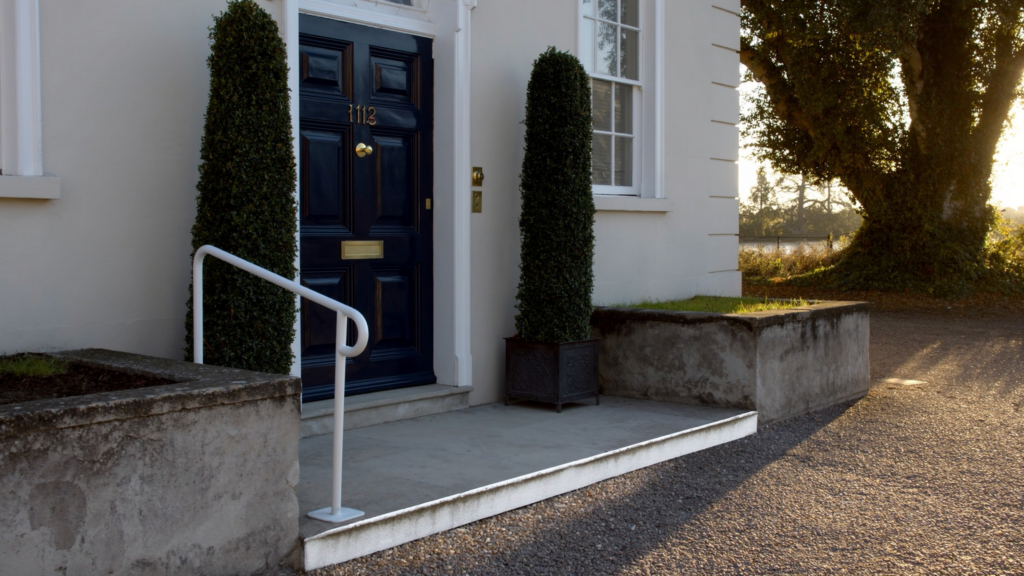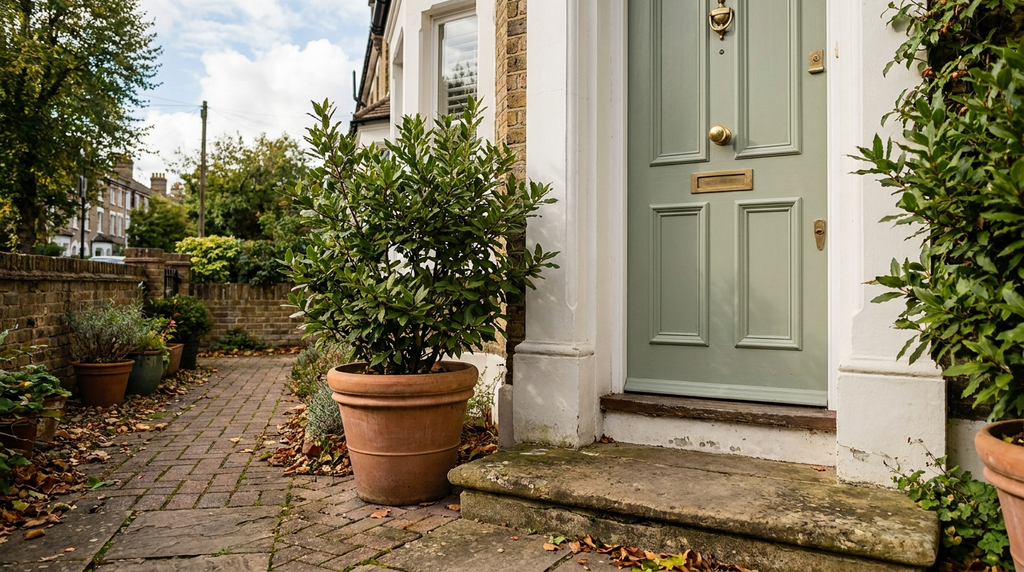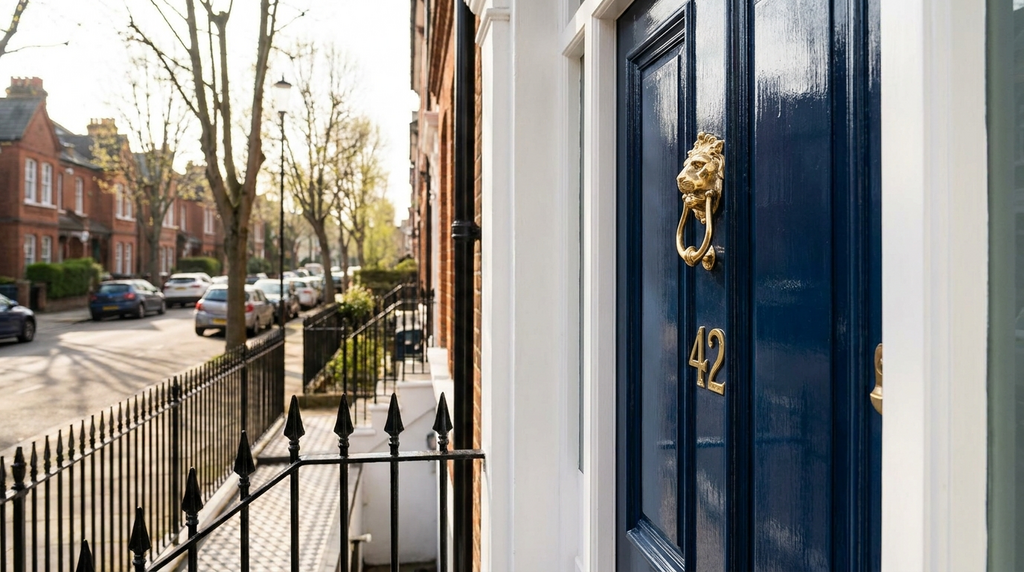
Your front door is the most common entry point for burglars, so strengthening it is one of the most effective ways to protect your home. A few targeted upgrades can make a significant difference without requiring a full door replacement.
The single most important step you can take to secure your front door is to fit a British Standard BS 3621 five-lever mortice deadlock. This lock type is the minimum standard required by most home insurers and provides the strongest resistance against forced entry.
When you choose a front door security upgrade, focus first on the lock – it is the single weakest point in almost every home. A strong lock combined with a solid door and reinforced hinges creates a barrier that most opportunistic burglars will not attempt to breach. Consider your door’s material, age and whether it meets insurance requirements before buying any product.
| Security Feature | Typical Cost (GBP) | Security Rating | Installation Time |
|---|---|---|---|
| BS 3621 mortice deadlock | £30–£80 | 5-lever | 1–2 hours |
| Smart lock (keypad/biometric) | £100–£300 | Varies (TS 007 3-star) | 1–3 hours |
| Door reinforcement plate | £20–£50 | Anti-pry | 30 minutes |
| Multi-point locking system | £200–£600 | PAS 24 tested | 1–3 hours |
| Security door chain | £5–£20 | Police-preferred spec | 15 minutes |
| Door viewer (peephole) | £10–£30 | 180-degree wide-angle | 15 minutes |
| Hinge bolts (outward-opening doors) | £10–£25 | Anti-lift | 30 minutes |
| Letterbox restrictor or cage | £15–£40 | Anti-fishing | 30 minutes |
| Solid-core door panel | £200–£600 | 44mm minimum thickness | 1–2 hours (swap) |
| External PIR security light | £30–£100 | 300+ lumens | 1–2 hours |
1. Fit a five-lever mortice deadlock
A BS 3621 five-lever mortice deadlock is the single most effective upgrade for a timber front door. It is the minimum standard required by most UK home insurers for wooden doors, and it provides strong resistance against picking, drilling and forcing. The lock sits inside the door edge and uses a key from both sides, so it cannot be opened from inside without a key. Fitting one typically costs £30–£80 for the lock plus installation, and it takes a competent DIYer or locksmith about one to two hours. Make sure the lock carries the BS 3621 kite mark, which confirms it meets British Standard requirements.
- Check that the lock carries the BS 3621 kite mark, which is the standard most insurers demand.
- Use a locksmith registered with a recognised body such as the Master Locksmiths Association for installation if you are not confident.
- Source: GOV.UK Home Security Guide, 2026
how to choose the right lock for your front door
2. Install a security door chain
A door chain lets you open your front door a few centimetres while keeping it secured, so you can identify callers without fully opening the door. Look for a model with a chain at least 10cm long and screws that penetrate the door frame by at least 30mm. Cheaper chains with short screws can be ripped off easily. The best designs have a metal slide that locks into place and a release mechanism that requires a key from the outside. Installation is straightforward and takes about 15 minutes with a drill.
- Choose a chain that meets the Secured by Design police-preferred specification for residential doors.
- Ensure the screws are at least 30mm long and go into the door frame, not just the architrave.
- Source: Secured by Design, 2026
3. Reinforce the door frame
Even the best lock is useless if the door frame is weak. A reinforced strike plate and longer screws (75mm or more) into the door frame prevent the lock from being forced open by kicking or prying. Standard screws supplied with locks are often only 25mm long and pull out easily. Replace them with hardened steel screws that reach into the structural timber behind the frame. You can buy a reinforced strike plate kit for £20–£50 and install it in about 30 minutes with a drill and screwdriver.
- Use screws that are at least 75mm long and made of hardened steel to resist drilling.
- Fit a strike plate with anti-pry tabs that wrap around the door frame edge.
- Source: TrustMark, 2026
4. Add a door viewer (peephole)
A door viewer lets you see who is outside without opening the door. A 180-degree wide-angle model gives you a full view of the doorstep, and models with a cover on the inside prevent anyone from looking in from outside. Installation is simple: drill a 12mm hole through the door, insert the viewer, and tighten the two halves together. Cost is around £10–£30 and installation takes about 15 minutes. Choose a model with a metal barrel rather than plastic, as plastic can be easily pushed out.
- Select a wide-angle viewer (at least 160 degrees) for the best field of view.
- Buy a model with a sliding cover on the inside to block reverse viewing.
- Source: Secured by Design product list, 2026
5. Upgrade to a multi-point locking system
Multi-point locks engage at several points along the door edge – typically at the top, middle and bottom – making it much harder to force the door open. They are standard on most modern uPVC and composite doors, but older doors may have only a single-point lock. Retrofitting a multi-point system costs £200–£600 including installation and takes one to three hours. Look for systems that are PAS 24 tested, which is a security standard for doorsets. If your door already has a multi-point lock, check that all locking points are actually engaging when you turn the key.
- Check that the lock is PAS 24 tested, which is the security standard for doorsets.
- If retrofitting, use a FENSA-registered installer to ensure proper alignment and function.
- Source: FENSA, 2026
what to look for in a new front door
6. Fit hinge bolts on outward-opening doors
Outward-opening doors are vulnerable to having their hinge pins removed. This allows the whole door to be lifted off. Hinge bolts are small metal pins that slot into the door edge and the frame, preventing this. They are cheap (£10–£25) and take about 30 minutes to fit with a drill. Fit one bolt near the top hinge and one near the bottom hinge for full protection. They work silently and do not affect the operation of the door. Even if you have a strong lock, hinge bolts add a critical extra layer of defence.
- Fit at least two hinge bolts, one near the top hinge and one near the bottom hinge.
- Use bolts that are at least 50mm long for a secure hold in the door frame.
- Source: Secured by Design technical guidance, 2026
7. Install a smart lock with keypad entry
Smart locks offer convenience and high security, but not all are equal. Choose a model with a TS 007 3-star cylinder rating, which means it has been tested against picking, bumping and drilling. Many smart locks also include anti-pry features and tamper alarms. Look for models that are PAS 24 tested or carry the Secured by Design logo. Costs range from £100 to £300, and installation takes one to three hours. Battery-powered models need regular battery changes, so choose one with a low-battery warning and a physical key override.
- Choose a smart lock with a TS 007 3-star cylinder rating for proven pick and drill resistance.
- Ensure the model has a physical key override in case the battery dies.
- Source: MCS, 2026
8. Use a letterbox restrictor or cage
A letterbox is a weak point that burglars can exploit to reach through and get the door or grab keys from a hall table. A letterbox restrictor limits how far the flap opens, preventing access to the lock mechanism. A cage on the inside stops anyone from reaching through. Both are inexpensive (£15–£40) and take about 30 minutes to install. For uPVC doors, make sure the restrictor is compatible with your door’s profile. For timber doors, a simple internal cage is usually sufficient.
- Fit a restrictor that limits the flap opening to no more than 10mm.
- Add an internal cage to prevent anyone from reaching keys or parcels.
- Source: Secured by Design letterbox security guidance, 2026
9. Replace old or weak door panels
A hollow-core or thin timber door can be kicked through even with a good lock. A solid-core timber or composite door that is at least 44mm thick is far more resistant to forced entry. Composite doors are generally stronger than timber because they have a foam core and a GRP skin that resists drilling and warping. Replacing a door panel costs £200–£600 for the door itself, plus installation. If you are replacing the whole door, choose one that meets PAS 24 or is certified by Secured by Design.
- Choose a door that is at least 44mm thick and has a solid core, not a honeycomb or hollow core.
- Look for doors that are PAS 24 tested or carry a Secured by Design certification.
- Source: Energy Saving Trust, 2026
composite vs timber front doors which is more secure
10. Add external security lighting
A well-lit front door deters burglars who rely on darkness to avoid being seen. A motion-activated PIR (passive infrared) light that switches on when someone approaches is the most effective type. Choose a light that produces at least 300 lumens and has a wide detection angle (180 degrees or more). Position it above the door or to one side so it covers the full approach. Costs are £30–£100 for a good-quality unit, and installation takes one to two hours if you have a nearby power source. Solar-powered options are available but are less reliable in winter.
- Choose a PIR light with at least 300 lumens and a 180-degree detection angle.
- Position the light so it illuminates the entire doorstep and approach path.
- Source: ONS Crime Survey for England and Wales, 2026
Start with the lock – a BS 3621 five-lever mortice deadlock is the single most effective upgrade for any timber front door. Combine it with a reinforced frame and hinge bolts for a complete barrier that will deter most burglars.
Frequently Asked Questions
A BS 3621 five-lever mortice deadlock is the best lock for a timber front door. This is the minimum standard required by most UK home insurers according to the Home Office.
Securing a front door costs between £30 for a basic deadlock and £600 for a full multi-point locking system. Prices depend on the product and installation time, as noted by Which?
Yes, smart locks with a TS 007 3-star rating improve security by adding keyless entry and tamper alerts. However, they cost £100–£300 and require proper installation per manufacturer guidelines.
A door reinforcement plate is a metal plate fitted around the lock area for £20–£50. It prevents forced entry by reinforcing the weak point around the lock, as recommended by Secured by Design.
Hinge bolts are metal pins fitted into the door edge for £10–£25. They prevent the door from being lifted off its hinges on outward-opening doors, a method used by burglars according to the Police Crime Prevention Initiatives.