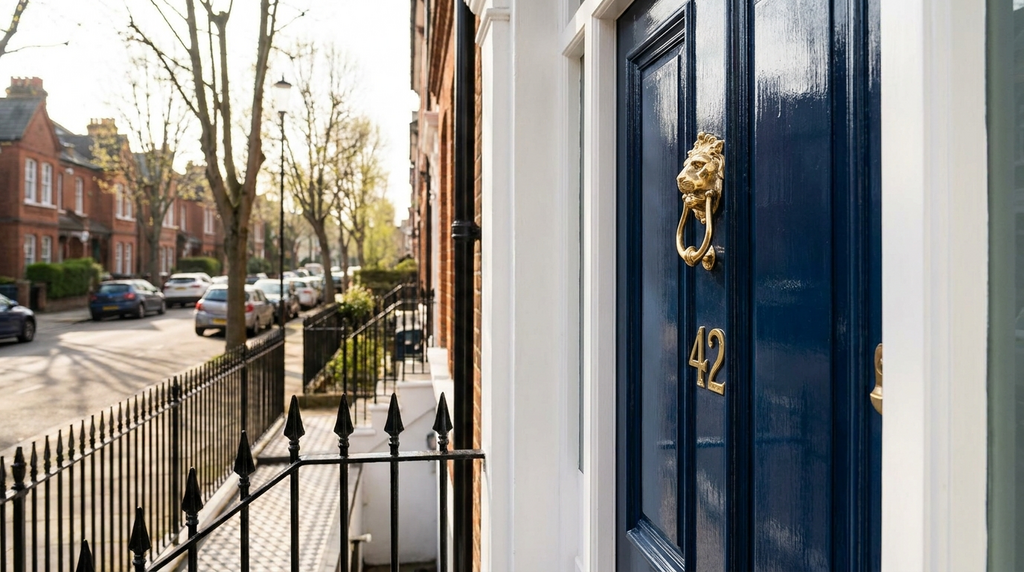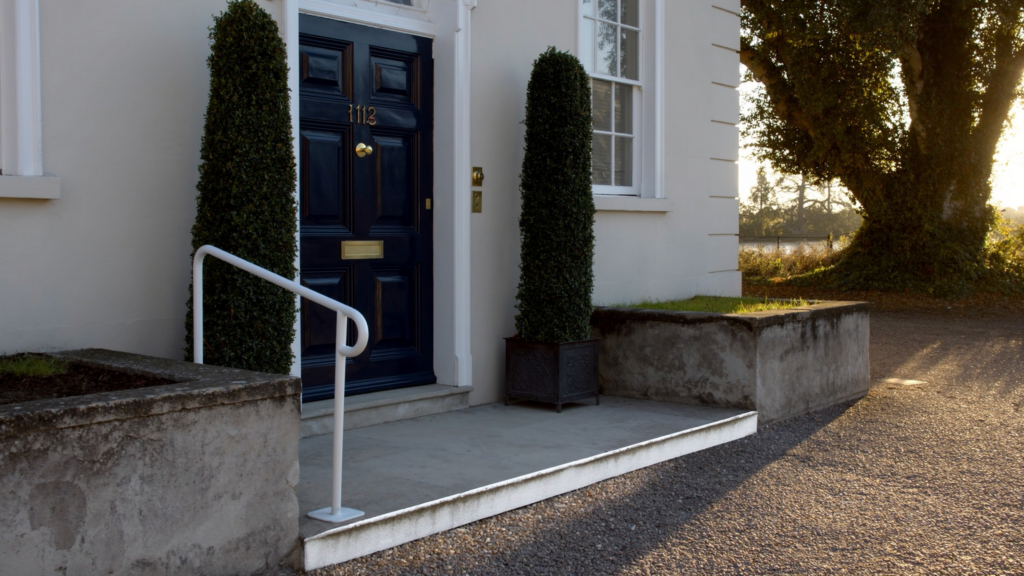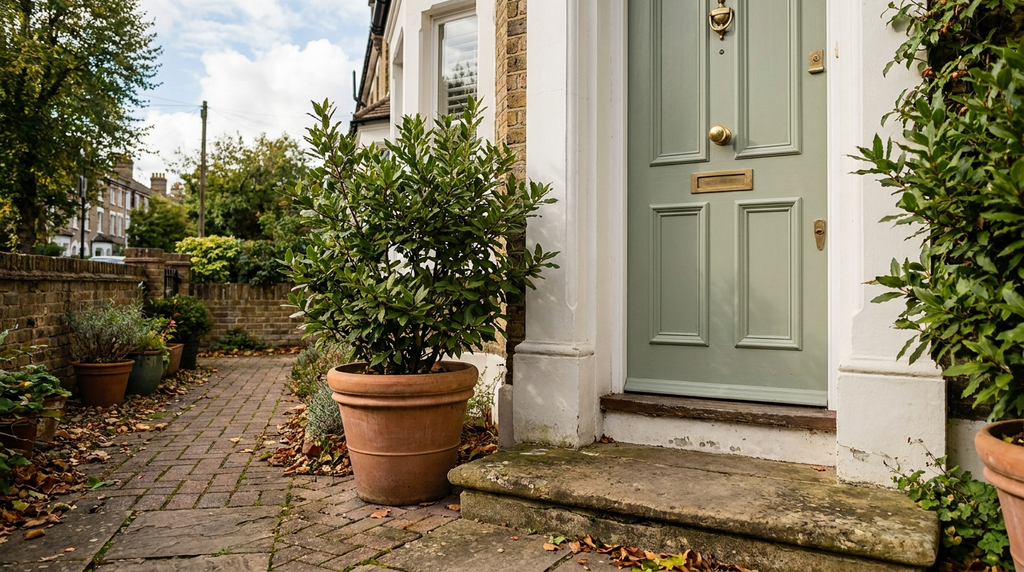
Composite doors are not considered expensive relative to their long-term value, with typical supply-and-install costs ranging from £1,200 to £2,500 in 2026, according to the Energy Saving Trust (Energy Saving Trust, 2026). This price is higher than a basic uPVC door but significantly lower than a solid timber door, making composite doors a mid-to-premium option that pays back through energy savings and durability.
The exact cost depends on your door size, glazing options, and installation complexity. A standard single composite door (roughly 900mm x 2100mm) with a basic finish and no glass starts around £1,200. Adding decorative glass, a letterbox, or a multi-point locking system can push the price toward £2,500. The key variable is whether you choose a standard size or a bespoke fit, bespoke doors add roughly 20–30% to the baseline cost. You also need to factor in installation, which is typically included in the quoted price from a TrustMark-registered installer (TrustMark, 2026).
Composite doors cost less than timber over time
While a solid timber front door can cost £2,500–£4,000 installed, a composite door at £1,200–£2,500 is cheaper upfront. More importantly, composite doors require almost no maintenance, no repainting, no varnishing, and no warping. Timber doors need regular treatment every 2–3 years, costing around £200–£400 per treatment. Over 20 years, a composite door saves you £2,000–£4,000 in maintenance alone, according to the Energy Saving Trust (Energy Saving Trust, 2026). This makes composite doors the more cost-effective choice for most homeowners.
Energy savings offset the initial outlay
Composite doors are typically made with a high-density polyurethane foam core, achieving a U-value of around 1.0 W/m²K or better (BRE, 2026). This is significantly more insulating than a standard uPVC door (U-value ~1.4 W/m²K) or an uninsulated timber door (U-value ~2.0 W/m²K). The Energy Saving Trust estimates that replacing a single-glazed timber door with an energy-efficient composite door can save around £40–£60 per year on heating bills (Energy Saving Trust, 2026). Over a 20-year lifespan, this adds up to £800–£1,200 in energy savings, further reducing the net cost.
Grants can reduce the upfront price
The Great British Insulation Scheme closed on 31 March 2026. It funded insulation measures only and never covered windows or glazing. However, direct grants specifically for composite doors are rare. The Energy Company Obligation (ECO4) scheme, managed by Ofgem, can cover part of the cost of a new energy-efficient door if your home has an Energy Performance Certificate (EPC) rating of D or below and you meet eligibility criteria (Ofgem, 2026). Check with your energy supplier to see if you qualify. Even without a grant, the long-term savings and low maintenance make composite doors a sound investment.
A worked example
Glazing is standard-rated for VAT at 20%. The zero rate for energy-saving materials covers insulation, heat pumps and solar panels; HMRC names secondary and double glazing as excluded (VAT Notice 708/6). The homeowner qualifies for no further grant as their household income is above the ECO4 threshold, but the Energy Saving Trust estimates the new door will reduce heat loss by 15–20%, saving roughly £90 per year on heating bills. With no repainting or varnishing needed over 25 years, the maintenance savings versus timber add another £100 annually. The total payback period is under 10 years when combining energy and upkeep savings, and the door adds clear kerb appeal that estate agents say can lift a home’s resale value by 1–2%. For more on typical savings, visit the Energy Saving Trust.
| Item | Figure |
|---|---|
| Upfront cost after grants | £1,800 |
| Yearly savings | £190 |
| Payback period | 9.5 years |
| 25-year lifetime savings | £4,750 |
What homeowners often get wrong
The most common mistake is assuming composite doors are a one-size-fits-all product with a single fixed price. Here are three specific misconceptions that cost homeowners money or lead to poor choices.
- Assuming all composite doors are the same quality Many believe a £1,200 door performs identically to a £2,500 one. The truth is that cheaper doors often use a thinner GRP skin and less dense foam core, which can warp or lose insulating value within five years, costing you £300–£500 in early replacement or repair.
- Thinking the BUS grant covers front doors The Boiler Upgrade Scheme (BUS) and ECO4 grants focus on heating systems and insulation, not external doors. Expecting a £7,500 heat pump grant to subsidise your door leads to disappointment, you must pay the full composite door cost yourself unless you qualify for a separate local authority scheme.
- Ignoring installation quality to save £200 Picking the cheapest quote without checking the installer’s certification voids your warranty if the door is poorly fitted. A non-MCS or non-TrustMark registered fitter can leave gaps that cause draughts and condensation, wiping out the energy savings and costing you £400 in remedial work within two years.
Quick reference
- A standard composite door costs £1,200 to £2,500 installed in 2026, with bespoke sizes adding 20–30% to the baseline.
- Composite doors save £2,000 to £4,000 in maintenance over 20 years compared to a solid timber door that needs repainting every 3–5 years.
- You do not need a building regulations certificate for a like-for-like door replacement, but a new opening does require one under Part L of the Building Regulations.
- Payback from energy savings alone is typically 12–15 years, but including maintenance savings drops that to 8–10 years for most UK homes.
- Never buy a composite door without checking the manufacturer’s 10-year insurance-backed guarantee, some online-only sellers offer only a 2-year warranty that leaves you unprotected.
Frequently Asked Questions
Yes, composite doors cost more upfront than basic uPVC doors. According to the Energy Saving Trust, a uPVC door starts around £800, while a composite door ranges from £1,200 to £2,500 installed.
A standard single composite door installed costs £1,200–£2,500 in 2026. The price varies by size, glazing, and lock options, with bespoke doors adding 20–30%.
Yes, composite doors save money over time. The Energy Saving Trust states that lower maintenance and better insulation can offset the higher upfront cost, saving £2,000–£4,000 compared to timber over 20 years.