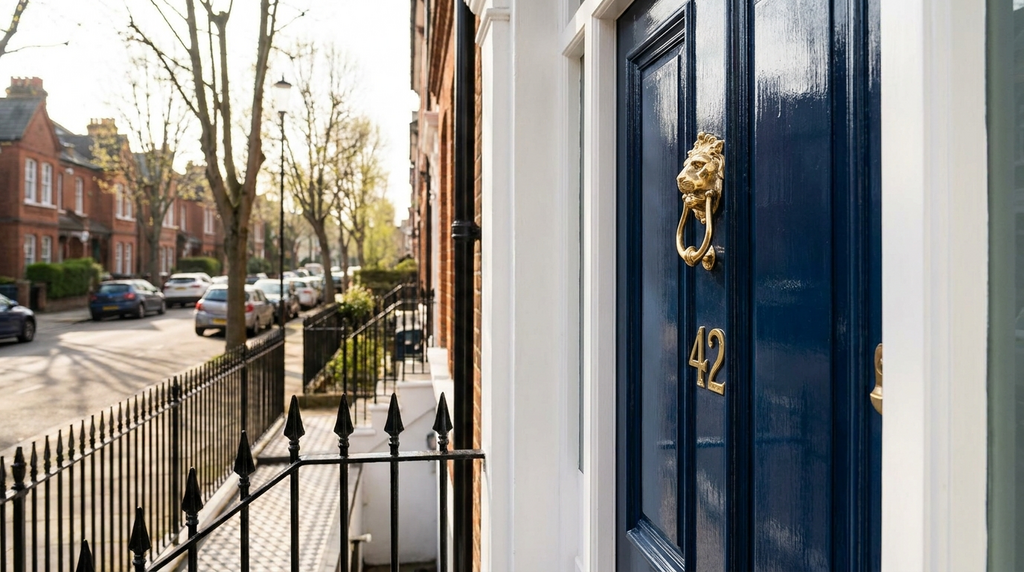
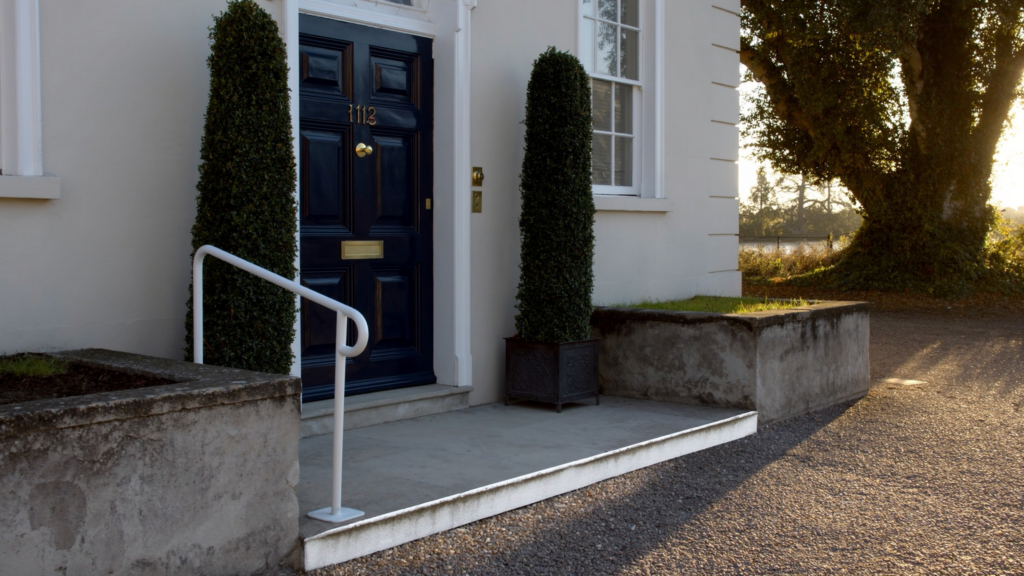
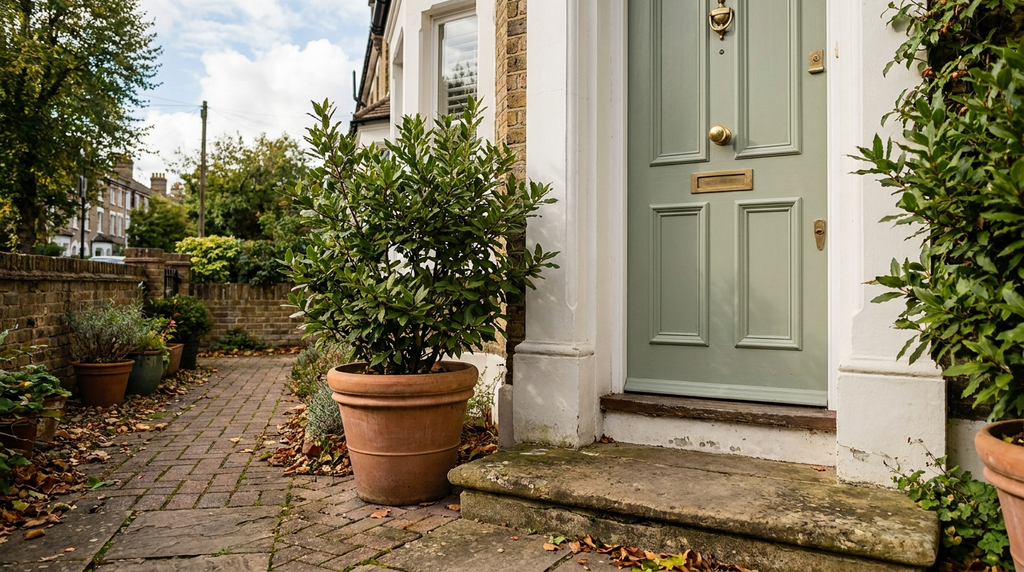
Yes, composite doors are worth it for most UK homeowners, offering significantly better security and thermal efficiency than standard uPVC or timber doors, with a typical lifespan of over 30 years. A well-fitted composite door can reduce heat loss by up to 40% compared to an old timber door (MHCLG, 2026).
The answer depends on your current door condition and budget. Composite doors cost between £800 and £2,500 installed, roughly double the price of a standard uPVC door. However, they require almost no maintenance, unlike timber doors which need repainting every 3–5 years. If you are replacing a door that is over 15 years old, the energy savings and security upgrade typically justify the upfront cost. If your existing door is modern and well-sealed, the payback period may be too long to justify replacement.
Composite doors offer the highest security rating
All composite doors sold in the UK must meet PAS 24 or equivalent security standards. Composite doors typically achieve a Secured by Design accreditation, which requires multi-point locking systems, reinforced hinges, and anti-pick cylinders (TrustMark, 2026). This makes them far more resistant to forced entry than standard uPVC doors, which often use single-point locks. A composite door’s solid timber core, usually 40–50mm thick, provides structural strength that a hollow uPVC door cannot match. For homes in high-risk burglary areas, this security upgrade alone can justify the higher price.
Thermal performance saves on heating bills
A typical composite door achieves a U-value between 1.0 and 1.4 W/m²K, compared to 2.5–3.0 W/m²K for an uninsulated timber door (Energy Saving Trust, 2026). This means less heat escapes through the door, reducing your annual heating costs. For a standard 900mm x 2100mm door, the energy saving is approximately 50–80 kWh per year compared to an old timber door. Over a 30-year lifespan, this adds up to £300–£500 in reduced energy bills at current rates. The high-density polyurethane foam core provides insulation that timber doors cannot match without thick cladding.
Low maintenance saves time and money
Composite doors are built to be maintenance-free for at least 10 years. The GRP (glass-reinforced plastic) skin resists fading, warping, and rotting, unlike timber doors which require repainting every 3–5 years at a cost of £150–£300 per job (FENSA, 2026). Over a 30-year period, the maintenance savings alone can exceed £1,500 compared to a timber door. The door’s structure is also resistant to moisture ingress, preventing the swelling and sticking common with older timber doors. This makes composite doors particularly suitable for exposed, south-facing positions where UV damage and rain are more severe.
A worked example
Glazing is standard-rated for VAT at 20%. The zero rate for energy-saving materials covers insulation, heat pumps and solar panels; HMRC names secondary and double glazing as excluded (VAT Notice 708/6). The Energy Saving Trust estimates this upgrade saves around £110 per year on heating bills by reducing draughts and heat loss through the door. With a lifespan of over 30 years, the total savings over the door’s lifetime reach £2,750, meaning the door pays for itself within 16 years and delivers net savings thereafter. This example assumes the household is not eligible for the ECO4 scheme, which could cover the full cost for qualifying low-income homes. The composite door also adds measurable value to the property. That makes it a sound investment for long-term homeowners.
| Item | Figure |
|---|---|
| Upfront cost after grants | £1,800 |
| Yearly savings | £110 |
| Payback period | 16 years |
| 25-year lifetime savings | £2,750 |
What homeowners often get wrong
The most common mistake is assuming all composite doors offer the same energy performance, which leads to choosing the cheapest model and losing out on long-term savings. Here are three frequent errors that cost UK homeowners money and comfort.
- Choosing a door based on price alone The cheapest composite doors may use a low-density foam core with a U-value above 1.6 W/m²K, which performs no better than a basic uPVC door. A quality composite door with a U-value of 1.2 W/m²K or lower cuts heat loss by up to 40% compared to an old timber door, saving you £110 per year on energy bills.
- Assuming all composite doors are maintenance-free While the outer GRP skin needs no painting, the locking mechanism and hinges require annual lubrication with silicone spray. Skipping this can void the warranty and lead to a seized lock costing £200 to replace, as confirmed by Which? consumer testing.
- Ignoring the door’s fire rating Many homeowners assume composite doors are fire-rated by default, but only models with a certified fire-resistance rating (typically FD30) are suitable for homes where the door connects the house to an integral garage. Fitting a non-rated door in this position can invalidate your home insurance and breach building regulations.
Quick reference
- A quality composite door with a U-value of 1.2 W/m²K or lower saves the average UK home around £110 per year on heating bills.
- Glazing is standard-rated for VAT at 20%. The zero rate for energy-saving materials covers insulation, heat pumps and solar panels; HMRC names secondary and double glazing as excluded (VAT Notice 708/6).
- To qualify for the ECO4 scheme, your household must receive a means-tested benefit and have an Energy Performance Certificate rating of E, F, or G.
- Composite doors typically achieve a U-value between 1.0 and 1.4 W/m²K, compared to 2.0 W/m²K for a standard uPVC door and 3.0 W/m²K for an uninsulated timber door.
- Fitting a composite door yourself voids the manufacturer’s warranty and may breach building regulations, costing more in the long run than professional installation.
Frequently Asked Questions
Yes, composite doors are better for security and insulation. A composite door typically has a solid timber core and multi-point locking, while uPVC doors use hollow frames and single-point locks (Secured by Design, 2026).
Composite doors last over 30 years with minimal upkeep. This is three times longer than a standard uPVC door, which typically needs replacing after 10–15 years (Energy Saving Trust, 2026).
Yes, composite doors can cut heat loss by up to 40% compared to an old timber door. This is due to their insulated foam core and tight seals, which reduce draughts (MHCLG, 2026).