Why Bewdley Homeowners Are Turning to Double Glazing Right Now
There’s something quietly exciting happening along the streets of Bewdley. As energy bills have refused to settle back down to pre-crisis levels, homeowners here, from the Victorian terraces near the town centre to the post-war semis spreading out towards Stourport Road, are looking seriously at where their heat is actually going. And for a lot of those homes, the answer is embarrassingly obvious: straight through the windows.
Bewdley sits right on the national average for EPC ratings at Band D, which sounds unremarkable until you realise what it means in practice. A significant chunk of local homes are losing heat through single-glazed or failed double-glazed units, and the River Severn floodplain running through the heart of town adds another dimension entirely, damp, condensation, and cold drafts that make tired windows feel even worse in winter. With average gas consumption sitting at around 12,400 kWh per year, there’s genuine money to be recovered with the right upgrade.
And then there’s the conservation area question. A large portion of Bewdley’s most characterful housing stock falls within or close to its designated conservation area, which shapes everything from what you can install to who you need to speak to first. If you’ve been putting off upgrading your windows because the process feels complicated, this guide is written specifically for you.
What Double Glazing Actually Involves for a Typical Bewdley Home
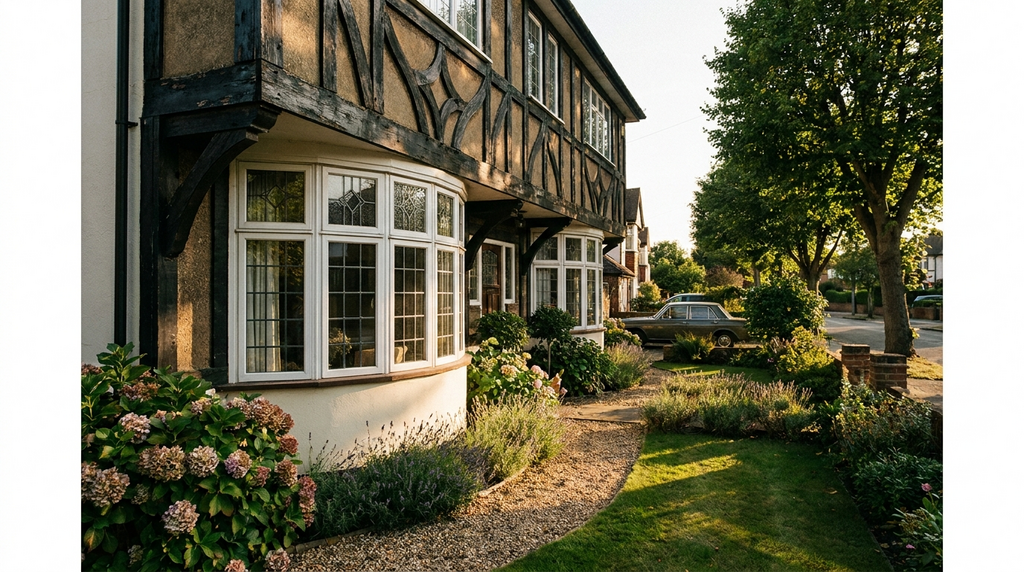
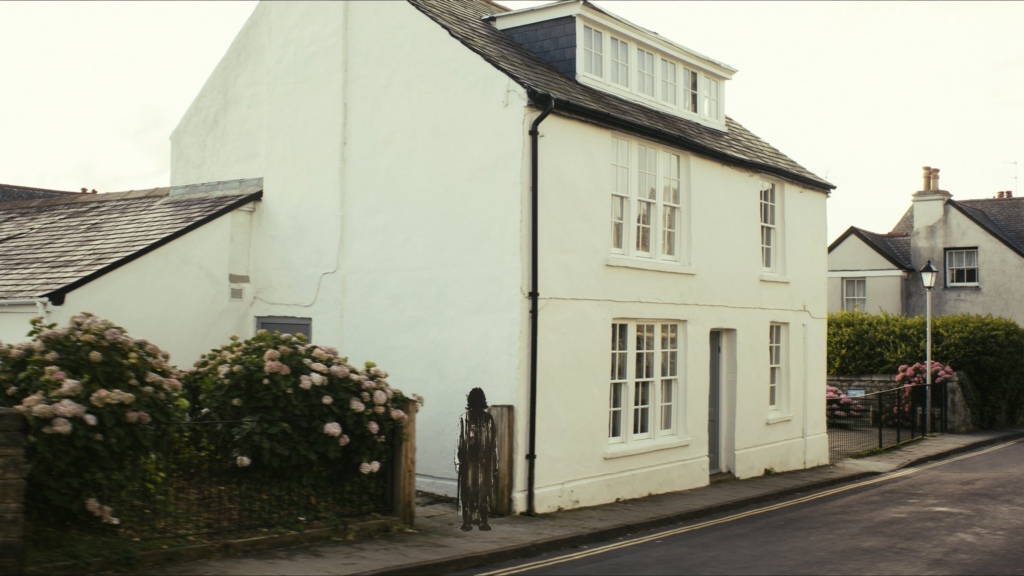
Most of Bewdley’s housing stock falls into two broad camps. You’ve got the older Victorian and Edwardian properties, particularly concentrated around Load Street, Severn Side, and the historic core, and then the 1930s through to 1960s suburban semis and detached homes that make up the majority of residential streets further from the river. Each of these presents a slightly different challenge for double glazing.
For the older properties, original timber frames are often the sticking point. These buildings weren’t designed with standard modern window sizes in mind, which means off-the-shelf uPVC units often won’t fit without significant masonry alterations. Slim-profile double glazing or heritage-style frames are usually the more appropriate (and often the only council-approved) route here.
The 1930s to 1960s stock is more straightforward but still has its quirks. Steel-framed Crittall-style windows from this era are common across the West Midlands and Bewdley is no exception, these require specialist replacement because standard uPVC frames simply don’t fill the same opening cleanly. It’s worth budgeting for a surveyor visit before assuming any like-for-like replacement will be simple.
- Access considerations, Bewdley’s older streets can be narrow, particularly around the town centre and near the River Severn. Parking for installer vans and getting ladders to upper-floor windows can add time and occasionally cost
- Flood zone proximity, Properties in Flood Zones 2 and 3 near the Severn may benefit from specifically specified low-threshold frames and improved seals to manage damp ingress during high water events
- Conservation area restrictions, More on this below, but even outside the formal boundary, Wyre Forest District Council takes a close interest in any changes that affect street appearance
- Cavity wall interaction, Many 1950s and 1960s semis in Bewdley have unfilled cavity walls alongside original single glazing. Doing both upgrades together in one project can sometimes get you a better combined installer price
The good news is that Bewdley’s position just 5km from Kidderminster means local installers from that larger town are accustomed to the property types here. You’re not in an awkward rural pocket where no one wants to travel, you’re well within the regular service radius of several established West Midlands glazing companies.
How Much Double Glazing Costs in Bewdley and the West Midlands Area in 2026
Let’s get specific, because vague ranges like “£3,000 to £15,000” aren’t useful to anyone trying to budget. The figures below reflect current 2026 installer pricing in the Bewdley, Kidderminster, and Stourport-on-Severn area. West Midlands labour rates run slightly below the national average, which works in your favour, but conservation area requirements or non-standard frames can push costs up quickly.
| Property Type and Window Count | Standard uPVC Double Glazing | A-rated uPVC (High Performance) | Heritage or Timber-Effect Frames |
|---|---|---|---|
| Semi-detached, 6–8 windows | £3,200 – £4,800 | £4,500 – £6,200 | £6,500 – £9,000 |
| Detached, 10–14 windows | £5,500 – £7,500 | £7,200 – £10,000 | £10,000 – £16,000 |
| Victorian/Edwardian terrace, non-standard frames | Not usually appropriate | £5,800 – £8,500 (slim-profile) | £9,000 – £14,000 |
| Single bay window replacement | £650 – £950 | £900 – £1,400 | £1,500 – £2,500 |
| Single casement window (standard) | £350 – £550 | £480 – £700 | £750 – £1,200 |
Compared to the national average, Bewdley sits roughly 5–10% below what you’d pay in London or the South East, and broadly in line with Birmingham and the wider West Midlands. Bromsgrove and Bridgnorth tend to attract similar pricing to Bewdley, though rural properties further from main towns can see small travel surcharges.
One thing worth knowing: Bewdley’s town centre access during peak tourist season (the Severn Valley Railway draws visitors throughout summer) can occasionally mean delays in delivery and install scheduling. Book your autumn or winter installation in summer if you want your preferred slot.
How Bewdley’s Weather and Location Shape Your Window Choices
Here’s something that might surprise you. Bewdley actually enjoys some of the better solar irradiance figures in the Midlands, around 1,100 to 1,200 kWh per square metre per year. That’s meaningful for window specification because it means south-facing rooms can benefit from passive solar gain, and choosing the wrong glass specification could actually make your south-facing living room uncomfortably warm in summer while doing little for winter warmth.
The town’s position in the Severn Valley also means it’s relatively sheltered from the worst westerly winds that batter coastal properties. Your windows don’t need to be specified for extreme wind loading, which keeps costs down compared to exposed rural locations. Rainfall is moderate at 700 to 900mm per year, enough to keep seals and drainage channels working properly, but not so extreme that you need to worry about frame saturation.
The bigger local weather issue is actually fog and damp from the river corridor. If you’ve noticed your current windows misting up on autumn mornings, that’s partly the Severn doing its thing, cold air settling in the valley overnight creates conditions where poorly-sealed or under-performing glass shows its weaknesses very clearly. Warm-edge spacer bars (which reduce cold bridging at the edge of sealed units) are worth specifying for this reason.
Winter temperatures in Bewdley are genuinely milder than much of the UK, you’re sitting at 1,200 to 1,500 heating degree days rather than the higher figures you’d see in Yorkshire or Scotland. That means the energy savings case for double glazing is slightly more modest here than in colder regions, but it’s still very much worthwhile for comfort, condensation control, and sound insulation from the town’s tourist traffic.
The Products and Specs That Actually Perform Well Here
Based on what works in Bewdley’s specific mix of property types, climate, and planning constraints, here’s what we’d genuinely recommend, not a generic product list, but considered advice for this town.
For the majority of post-war semis and detached homes
A-rated uPVC frames with argon-filled double-glazed units and warm-edge spacer bars are the sweet spot. Look for a U-value of 1.2 W/m²K or better for the whole window unit (not just the glass). Low-E coating on the inner pane maximises heat retention, and given Bewdley’s decent solar exposure, a solar control coating on south-facing elevations is a smart add-on to stop summer overheating.
For Victorian and Edwardian properties in or near the conservation area
Slimline double-glazed units in heritage timber or high-quality timber-effect uPVC frames are the most Council-friendly route. Some installers now offer triple-glazed slimline units in heritage profiles, these achieve better thermal performance without significantly altering the appearance. Expect to pay a premium, but the planning cooperation you get in return is worth it.
For properties very close to the river
Specify frames with enhanced drainage channels and check that sill profiles are built to cope with occasional water ingress. This isn’t about flood-proofing your windows entirely, that’s a separate conversation, but about making sure a wet winter doesn’t cause frame rot or seal failure within five years.
- Minimum specification to target, Whole-window U-value of 1.4 W/m²K or better (current Building Regulations requirement for replacement windows)
- Better specification worth paying for, U-value of 1.2 W/m²K, argon fill, warm-edge spacer, low-E glass
- Worth considering for south-facing elevations, Solar control glass with a g-value around 0.35–0.40 to manage summer heat gain
- Triple glazing, Genuinely useful for north-facing bedrooms and rooms adjoining the street, less critical for sheltered south-facing aspects in Bewdley’s mild climate
How to Find a Trustworthy Installer Near Bewdley
Bewdley doesn’t have a large number of dedicated glazing companies operating solely within the town, at 8,527 residents, that would be surprising. What you actually have is a cluster of well-established firms based in Kidderminster and Stourport-on-Severn who regularly work across this whole pocket of Worcestershire. That’s genuinely good news, because those firms tend to have experience with the specific property types you’ll find here.
When you’re getting quotes, the certification to look for is FENSA registration. This is the key accreditation for window and door installers in England, a FENSA-registered installer will self-certify that their work complies with Building Regulations, saving you the hassle and cost of applying for building control approval separately. Check the FENSA register online before you commit to anyone.
Beyond FENSA, TrustMark registration is a strong indicator of a vetted installer. The Government-endorsed TrustMark scheme covers quality of work, trading practices, and customer service, it’s worth filtering for it when searching.
Questions worth asking any installer before signing anything:
- Are you FENSA registered, and will you handle the Building Regulations compliance notification
- What U-value will the completed window unit achieve, and can you show me the specification sheet
- Have you worked on properties in Bewdley’s conservation area, and are you familiar with Wyre Forest District Council’s guidance
- What is your guarantee structure, and is it backed by a deposit protection scheme
- Can you provide references from jobs in Bewdley, Stourport, or Kidderminster from the last 12 months
Red flags to watch for, high-pressure same-day pricing tactics, discounts that expire in 24 hours, no physical address for the business, and vague answers about U-value specifications. Any reputable installer will be happy to put the full spec in writing before you sign.
Current lead times in the West Midlands area run at roughly 4 to 8 weeks from survey to installation for standard orders. Conservation area properties requiring bespoke frames may be 10 to 14 weeks. Plan accordingly, especially if you’re hoping to have work completed before winter.
Grants and Funding That Could Reduce Your Costs in 2026
This section matters, because there is real money available, but the eligibility criteria are specific and the schemes aren’t always well-publicised locally. Here’s what’s actually accessible to Bewdley residents right now.
ECO4 (Energy Company Obligation)
ECO4 remains active in 2026 and covers double glazing as part of a broader energy efficiency package for low-income and vulnerable households. To qualify, you typically need to be receiving a qualifying benefit (such as Universal Credit, Pension Credit, or Child Tax Credit) and living in a property rated EPC D or below, which, given Bewdley’s average Band D rating, a significant number of local homes will meet. Funded through energy suppliers, the scheme is accessed through a registered ECO4 installer or via Wyre Forest District Council’s referral pathway. Full window replacement at zero cost is possible for eligible households.
Great British Insulation Scheme (GBIS)
GBIS is more focused on insulation than glazing specifically, but if you’re combining a window upgrade with loft or cavity wall insulation, which many Bewdley’s 1950s and 1960s semis could benefit from simultaneously, it can contribute meaningfully to the overall project cost. Eligibility extends beyond benefit recipients to a broader group of households in lower Council Tax bands.
West Midlands Combined Authority Retrofit Programme
The WMCA has been running its own retrofit funding alongside national schemes, aimed at improving the region’s housing stock. Wyre Forest sits within the combined authority’s broader regional framework, and local authorities have been allocated funding to support whole-house retrofit. Contact Wyre Forest District Council directly to ask what’s currently active, the schemes are updated regularly and staff can point you to the right referral route.
Warm Homes Plan
The Government’s Warm Homes Plan provides funding for energy efficiency upgrades including glazing for eligible lower-income households. Check current eligibility thresholds through the GOV.UK website, the criteria have been updated for 2026 and income thresholds have been revised upward, meaning more households now qualify than under earlier iterations of the scheme.
Practical tip, Don’t self-assess whether you qualify. Ring Wyre Forest District Council’s housing team or speak to Citizens Advice in Kidderminster, who cover the Bewdley area. They can run a quick eligibility check and signpost you to the most appropriate scheme in minutes.
Planning Permission and Regulations in Bewdley
This is where Bewdley’s character becomes a genuine practical consideration. The town has a designated conservation area covering much of its historic core, including the Georgian and Victorian streets that make Bewdley so attractive in the first place. Wyre Forest District Council takes conservation seriously, and window replacements in these areas are subject to scrutiny that simply doesn’t apply