Why Crickhowell Homeowners Are Looking at Double Glazing Right Now
There’s something telling about Crickhowell’s average EPC rating sitting at Band E. In a town beneath the Black Mountains, where the Usk Valley pushes cold air through your walls on a winter’s morning, that energy inefficiency is a statistic you feel in draughty rooms and stubbornly high heating bills.
And here’s the thing that makes double glazing especially significant in Crickhowell right now. A large proportion of homes here are either off-gas-grid or partially so, which means many residents are heating with oil, LPG, or electric systems, all of which cost considerably more per unit of heat than mains gas. When your heating fuel is expensive, every bit of warmth that escapes through single-glazed windows becomes a genuinely costly problem. Keeping that heat inside becomes the priority.
The combination of below-average EPC ratings, expensive off-grid heating fuels, and the particular character of Crickhowell’s housing stock, much of it older stone-built terraces and period detached properties, means the return on investment for double glazing here is genuinely compelling. Add in the fact that Welsh Government funding through the Warm Homes Nest scheme is actively targeting homes in exactly this situation, and it’s no surprise that more Crickhowell residents are taking the plunge.
What Double Glazing Actually Involves for a Typical Crickhowell Home
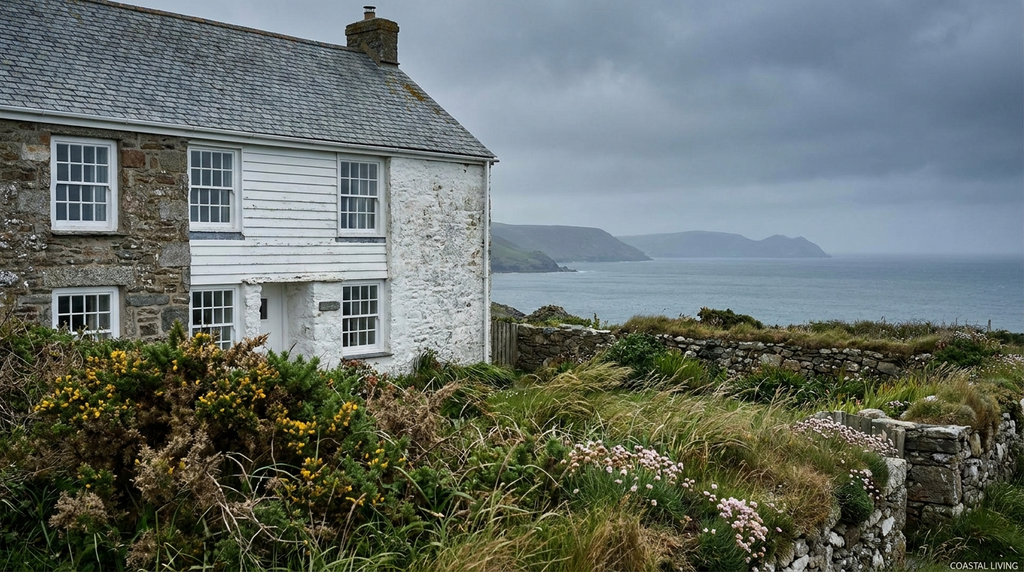
Crickhowell’s housing stock has real character, and that character shapes how a double glazing installation unfolds in practice. The town’s older terraces, many built from local sandstone and limestone in the Victorian and Edwardian eras, weren’t designed with modern window units in mind. The reveals are often deeper than in newer builds, the openings sometimes irregular, and the surrounding stonework requires careful handling to avoid damage.
For terraced homes along the older streets of town, the key practical considerations tend to be
- Narrow access to rear gardens, which can complicate delivering large window units
- Shared party walls that mean any structural adjustments need to consider neighbours
- Original timber frames that may need full replacement or specialist lining before new units can be fitted
- Stone surrounds that require careful sealing to prevent damp ingress once new frames are installed
Detached properties on the edges of town and in surrounding hamlets often face a different set of challenges. Many are older farmhouses or rural conversions with non-standard window shapes, arched tops, wide bay configurations, or tall sash-style openings that need custom-manufactured units rather than off-the-shelf sizes. Expect to pay a premium for this, but it’s not unusual in this part of Powys.
One thing that works in your favour in Crickhowell compared to more urban areas is that most installations won’t require scaffolding on the street with traffic management, a significant hidden cost in busier towns. However, access to some properties on the tighter lanes near the town centre can still add logistical complexity, and installers coming from Abergavenny, Ebbw Vale, or Tredegar will typically factor travel time into their quotes.
How Much Double Glazing Costs in Crickhowell and the Wales Area in 2026
Let’s talk real numbers. Prices in Crickhowell run slightly higher than the Welsh average, primarily because most installers are travelling from Abergavenny (9km), Ebbw Vale (10km), or Tredegar (12km) rather than being based locally. That travel time gets absorbed into your quote. You’re also more likely to need made-to-measure units given the older housing stock, which adds to material costs.
| Window Type | Property Size | Estimated Cost (Crickhowell) | Wales Average | UK National Average |
|---|---|---|---|---|
| Standard uPVC casement, full house | 2-bed terraced | £3,800 – £5,200 | £3,400 – £4,800 | £3,200 – £4,600 |
| Standard uPVC casement, full house | 3-bed detached | £5,500 – £7,800 | £5,000 – £7,200 | £4,800 – £6,900 |
| Timber-effect uPVC, full house | 3-bed detached | £6,200 – £9,000 | £5,800 – £8,500 | £5,500 – £8,000 |
| Flush sash uPVC (heritage style) | 2-bed terraced | £4,800 – £7,000 | £4,400 – £6,500 | £4,200 – £6,200 |
| Aluminium casement, full house | 3-bed detached | £8,500 – £13,000 | £8,000 – £12,500 | £7,500 – £12,000 |
| Triple glazing upgrade (per window, additional cost) | Any | £120 – £200 extra/window | £100 – £180 extra/window | £100 – £175 extra/window |
These figures assume full supply and installation including removal of old units, making good around the reveals, and basic decoration preparation. They do not include any structural work to enlarge or alter openings, which would be quoted separately.
Insider tip, always get three quotes from installers who actually visit the property. Anyone quoting over the phone without measuring up in Crickhowell’s varied housing stock is guessing, and their final invoice often won’t match the estimate.
How Crickhowell’s Weather and Location Affect Your Double Glazing Choices
Sitting in the Usk Valley between Abergavenny and Brecon, Crickhowell has a genuinely interesting microclimate. The Black Mountains to the north and the Brecon Beacons to the west provide significant shelter from the worst westerly and northerly winds that batter more exposed parts of Wales. Annual rainfall sits in the 700–1,000mm range, wetter than lowland England but not in the same league as Snowdonia or the Pembrokeshire coast.
What this means practically for your windows is that wind-driven rain is a real consideration but not an extreme one. A standard double-sealed uPVC unit will cope perfectly well. You don’t need to over-specify weather seals to the degree you would in, say, a coastal property in Ceredigion.
However, the valley topography does create some specific conditions worth knowing about
- Temperature inversions in winter, cold air pools in the valley bottom overnight, which means mornings can be significantly colder than regional forecasts suggest. This amplifies the benefit of good glazing on ground floor windows
- Morning condensation, the temperature differential between cold night air and warming daytime sun creates persistent external condensation on energy-efficient glazing. This is actually a sign the glass is working properly (not transmitting heat outward), but it surprises many homeowners
- South and southwest-facing rooms, Crickhowell benefits from above-average sunshine hours for its position in Wales. South-facing glazing can contribute meaningful passive solar gain in winter, which is worth considering when choosing frame thickness and glass specification
The modest rainfall and sheltered position also mean that timber and timber-effect frames degrade less quickly here than in more exposed western Welsh locations, giving you a broader range of frame material options if aesthetics matter to you.
The Products and Options That Work Best Here
Given Crickhowell’s housing stock and climate, here’s an honest expert opinion on what actually performs well rather than a generic rundown of every product on the market.
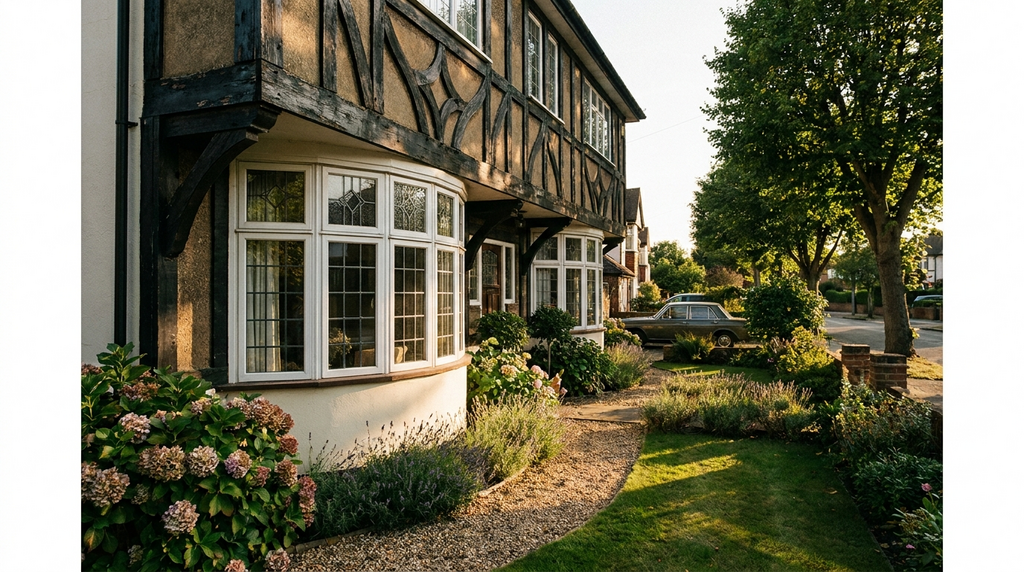
For Victorian and Edwardian terraces, flush sash uPVC in a timber colour finish is worth the extra cost. Standard white uPVC casements look incongruous on these properties and, in a town with as much visual character as Crickhowell, can genuinely affect resale value. Look for units with a centre spacer bar to mimic the original sash appearance. Aim for a U-value of 1.2 W/m²K or better.
For detached rural and semi-rural properties, standard uPVC casement in white or cream offers the best cost-to-performance ratio. For properties with south or southwest-facing elevations, consider specifying glass with a solar control coating on those elevations to prevent summer overheating, while using standard low-emissivity glass elsewhere to maximise winter solar gain.
On triple glazing, given that Crickhowell’s winters are relatively mild (1,200–1,500 heating degree days, towards the lower end for Wales), the payback period on triple glazing over standard A-rated double is longer than it would be in, say, northern Scotland. It’s not a bad choice, but it isn’t the obvious upgrade it is in colder parts of the UK. If your heating costs are very high due to off-grid fuel, it becomes more justifiable.
Glass specifications to request
- Minimum overall window energy rating of Band B (Window Energy Rating scheme)
- Warm edge spacer bars rather than aluminium, these reduce condensation on the inner pane edge and improve thermal performance around the frame
- Argon gas fill between panes as standard (most reputable units include this)
- Low-emissivity (Low-E) coating on the inner pane surface
How to Find a Trustworthy Double Glazing Installer Near Crickhowell
Crickhowell doesn’t have its own dedicated double glazing companies, the town is too small to sustain specialist trades independently. What it has is good coverage from a cluster of installers based in Abergavenny, Ebbw Vale, and Tredegar, all within 9–12km. Bargoed-based companies (around 20km) occasionally quote for larger jobs too.
The key certification to look for is FENSA registration. FENSA-registered installers self-certify that their installations comply with Building Regulations, meaning you don’t need to separately notify Powys County Council. If an installer isn’t FENSA-registered (or registered with the equivalent scheme, CERTASS), you’ll need to apply for a Building Regulations compliance certificate yourself, a hassle and an additional cost.
Other quality indicators worth checking
- TrustMark registration, a government-endorsed quality scheme that covers installation workmanship
- Membership of the Glass and Glazing Federation (GGF)
- Independent reviews on Google or Checkatrade from customers in Powys or Monmouthshire specifically, not just generic UK reviews
- A clearly written guarantee covering both the sealed glass units (typically 10 years) and the installation workmanship separately
Red flags to watch for
- Pressure to sign on the same day as the quote
- Quotes provided without a site visit and measurement
- No mention of FENSA or Building Regulations compliance
- Vague or verbal-only guarantees
Expect lead times of 4–8 weeks from established companies serving this area in 2026. Some Abergavenny-based installers are running slightly longer due to demand from the wider Powys and Monmouthshire region.
Grants and Funding That Could Reduce Your Costs in 2026
This is where living in Wales, and in particular having a below-average EPC rating, genuinely works in your favour. There are multiple funding routes worth exploring before you spend a penny of your own money.
Warm Homes Nest (Welsh Government), This is the most important scheme for Crickhowell residents to know about. Nest provides free energy-efficiency improvements (which can include windows as part of a whole-house package) for households in Wales that meet low-income criteria or have an EPC rating below Band D. Given that the average home in Crickhowell is Band E, a significant proportion of residents will qualify. Contact Nest directly on 0808 808 2244 or through the Welsh Government website to assess eligibility, it costs nothing to check.
ECO4 (Great Britain Insulation Scheme), Energy company-funded improvements for households on qualifying benefits or with low EPC ratings. Double glazing is eligible as part of a package of measures. Your energy supplier is required to participate, and switching suppliers doesn’t affect eligibility. Apply through the government’s Simple Energy Advice portal.
The Great British Insulation Scheme closed on 31 March 2026. It funded insulation measures only and never covered windows or glazing. Again, many Crickhowell homes will qualify on EPC grounds alone.
Boiler Upgrade Scheme (BUS), Not directly for glazing, but if you’re considering replacing an off-grid heating system alongside your windows, the BUS provides grants of £7,500 for heat pump installations. Combining new glazing with a heat pump upgrade makes strong financial sense in an off-grid property, and the improved heat retention from better windows directly improves heat pump efficiency.
One important note on grant-funded installations, under any of these schemes, you typically don’t get to choose your installer. The scheme will send an approved contractor. If you have strong preferences about specific products or aesthetics (particularly relevant in Crickhowell’s older properties), discuss this upfront before committing to grant-funded work.
Planning Permission and Regulations in Crickhowell
The short answer for most Crickhowell homeowners is that you won’t need planning permission to install double glazing, it falls under permitted development rights for standard residential properties. However, there are specific situations where you will need to check carefully with Powys County Council before proceeding.
Crickhowell’s Conservation Area, Crickhowell town centre and parts of the historic core are designated as a Conservation Area. If your property falls within this area, permitted development rights for window replacements may be restricted. In a Conservation Area, you generally need to match the appearance of original windows closely, this often means flush sash designs, slim sightlines, and specific colour restrictions. Some properties within the Conservation Area may be required to use timber frames rather than uPVC to maintain character. Check your property’s status on the Powys planning portal or call the council’s planning department directly before commissioning any work.
Listed Buildings, Crickhowell has a number of listed buildings, particularly around the town centre and along the main street. If your home is listed, you will need Listed Building Consent for any window replacements regardless of what type of glazing you’re installing. This is a formal planning application process. Standard uPVC double glazing is very unlikely to be approved for a listed building, specialist secondary glazing (which fits inside the existing frame without replacing it) is often the appropriate and approved solution in these cases.
Building Regulations compliance