Why Halifax Homeowners Are Finally Fed Up With Cold, Draughty Windows
If you live in Halifax, you already know the feeling, a bitter wind cutting through the Calder Valley in January, your radiators working overtime, and an energy bill that makes your eyes water. With the town’s average EPC rating sitting at Band E, Halifax homes are officially below the national average for energy performance, and windows are often the biggest culprit.
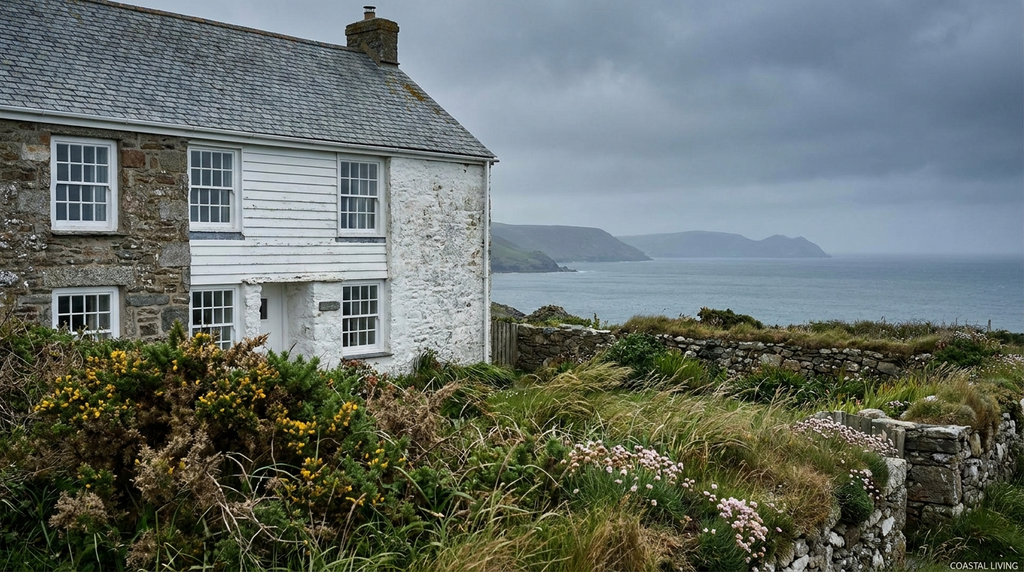
Halifax has a unique housing stock, thousands of Victorian and Edwardian stone terraces climbing the hillsides around Boothtown, Ovenden, and Siddal, and many of those homes still have single-glazed sash windows or ageing double glazing fitted back in the 1990s that’s well past its best. That old glazing may technically be “double,” but it’s doing very little to keep your heat in.
Energy prices haven’t returned to the pre-crisis levels most of us remember, and with Halifax households using around 12,500 kWh of gas per year (right on the national median), the case for upgrading your windows has never been stronger. Modern double glazing can meaningfully cut that figure, and for Band E-rated homes, the savings are often more dramatic than the national average figures suggest.
What Double Glazing Actually Involves for a Typical Halifax Home
Installing double glazing in Halifax isn’t quite the same as doing it in a modern estate in the south of England, and any installer who treats it that way is cutting corners. The town’s most common property types, Victorian stone terraces and interwar semi-detached houses, come with their own particular quirks.
Stone Reveals and Non-Standard Openings
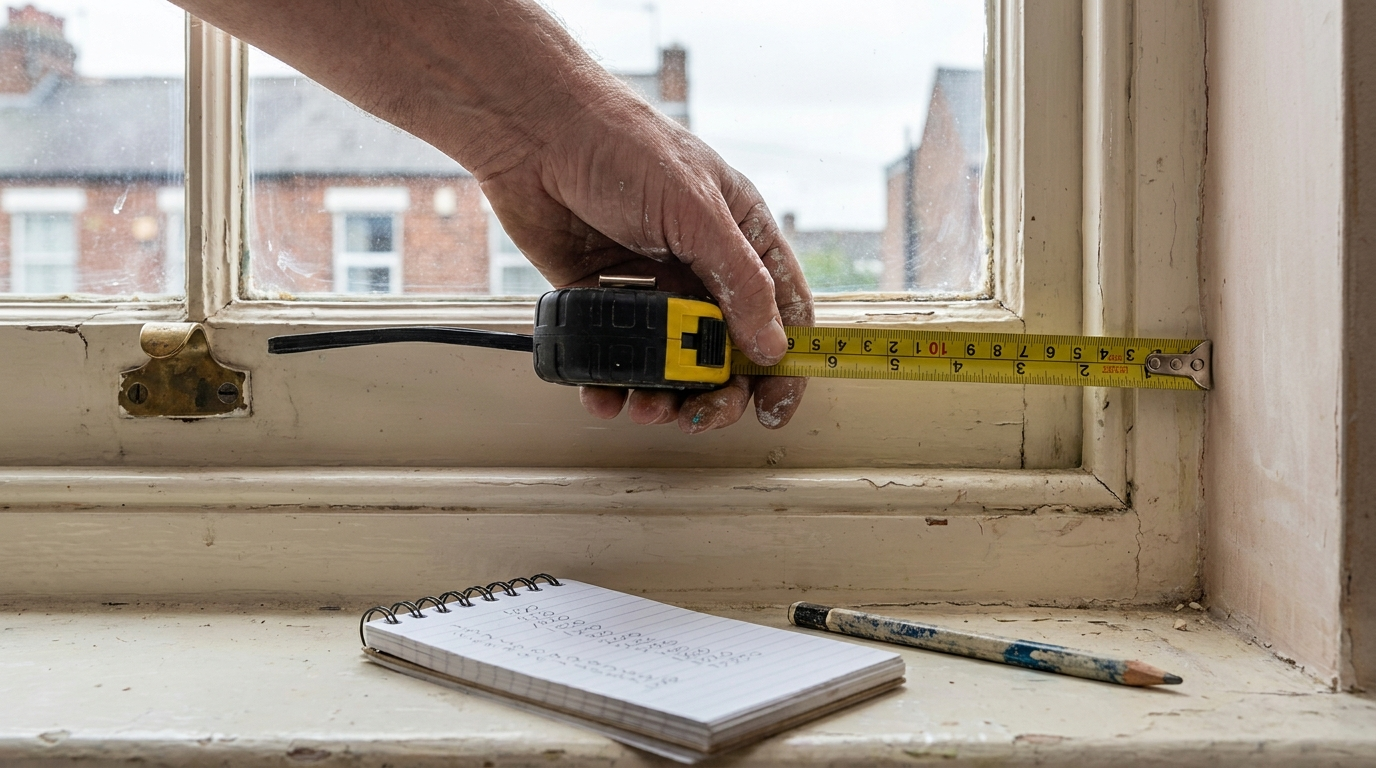
Halifax’s terraced houses were built with thick sandstone walls, which means window reveals (the recessed area around the frame) can be deep and irregular. Standard off-the-shelf frames often don’t fit without careful measuring and custom manufacturing. A good installer will spend time surveying every opening individually, not just measuring one window and assuming the rest are the same, because in a Victorian terrace, they rarely are.
What Building Era Means for You
- Pre-1919 stone terraces (Boothtown, Pellon, Southowram), Likely to have original sash windows or very early replacements. May be in or near a conservation area. Slim-profile and heritage-style frames are often the right call here.
- Interwar semi-detached (Illingworth, Mixenden estates), Often have larger front bay windows that require extra care during installation. Bay window units cost more and take longer to fit.
- Post-war and 1960s–80s properties, May already have first-generation double glazing. Upgrading to A-rated modern units is straightforward and cost-effective.
- New-build estates (Brighouse Road corridor), Typically have more recent glazing, but if the developer-fit units are underperforming, upgrading to triple glazing or high-spec double glazing is worth considering.
Access Challenges on Halifax’s Hillside Streets
Many of Halifax’s terraced streets are steep, narrow, and have no front garden to speak of. Getting ladders, scaffold towers, or large frame sections to a property on the upper side of a terraced row can add time and cost to a job. Don’t be surprised if your installer mentions a small access surcharge, on some of Halifax’s hillier streets, it’s entirely justified.
How Much Double Glazing Costs in Halifax and the Yorkshire and the Humber Area in 2026
Let’s get specific. Prices across Yorkshire and the Humber tend to run roughly 8–12% below the national average, partly because labour costs are lower and partly because there’s healthy competition between installers serving the Halifax–Huddersfield–Bradford corridor. Here’s what you can realistically expect to pay in 2026:
| Property Type | Windows Replaced | Standard uPVC A-Rated | Heritage/Flush Casement | Triple Glazing Upgrade |
|---|---|---|---|---|
| 2-bed stone terrace | 6–8 windows | £3,800 – £5,200 | £5,500 – £7,000 | £5,200 – £6,800 |
| 3-bed semi-detached | 8–10 windows | £4,800 – £6,500 | £6,800 – £9,000 | £6,500 – £8,500 |
| 4-bed detached | 10–14 windows | £6,200 – £8,800 | £9,000 – £13,000 | £8,500 – £11,500 |
| Single window replacement | 1 window | £450 – £750 | £700 – £1,100 | £650 – £950 |
| Bay window unit (3-panel) | 1 bay | £1,200 – £1,900 | £1,800 – £2,800 | £1,800 – £2,600 |
These figures include supply, fitting, and disposal of old frames. VAT at 5% applies to double glazing on existing residential properties and is included in the above. For comparison, equivalent jobs in neighbouring Bradford tend to be very similar, while Hebden Bridge installations can run 5–10% higher due to its conservation area status and trickier access. Huddersfield sits roughly in line with Halifax.
Insider tip, get at least three quotes from local installers who know Halifax’s housing stock. A company based in Leeds quoting remotely without a site visit will often underquote and then add extras once the job starts.
How Halifax’s Weather and Location Shape Your Window Choices
Halifax sits in the Calder Valley, which means it gets a particular type of weather that’s distinct from other parts of West Yorkshire. The valley channels cold air from the Pennines in winter, and the town experiences a noticeable wind-chill effect that makes it feel colder than the thermometer suggests. Annual rainfall typically lands in the 800–950mm range, wetter than central England but not as extreme as the moors above Hebden Bridge.
Condensation Is a Real Problem Here
The combination of cold winters and the moisture-laden air drifting up the Calder Valley makes Halifax homes more prone to condensation than properties in drier parts of the country. If you’re seeing misting between your existing double-glazed panes, the seal has failed and the unit is essentially useless as insulation. Replacing failed units promptly matters more here than it might in a drier climate.
Wind-Driven Rain and Frame Seals
Halifax gets its share of driving rain, particularly in autumn and winter when westerly fronts push through. This means the quality of your window’s weatherseals matters enormously. Cheap frames with poorly designed drainage channels can allow water ingress along the sill, causing damage to lintels and internal reveals over time, particularly in older stone properties where the surrounding masonry is already porous.
Solar Gain Still Worth Considering
Halifax clocks around 1,050–1,150 sunshine hours per year, not spectacular, but enough to make solar gain a real consideration. South and west-facing rooms can benefit from glass with a higher solar energy transmittance (g-value) in winter to help passively heat the space. If a salesperson tries to push solar-blocking glass on your south-facing living room, push back, in Halifax’s climate, you want to capture every bit of winter sun you can get.
The Products That Actually Perform Well in Halifax’s Conditions
With the local climate and housing stock in mind, here’s genuinely expert guidance on what to specify, not just what happens to be on promotion.
Frame Material
- uPVC, The practical choice for most Halifax homes. Modern reinforced uPVC handles the thermal expansion and contraction from temperature swings well. For terraces in standard streets, it offers the best cost-to-performance ratio. Look for frames with a U-value of 1.2 W/m²K or better.
- Timber or timber-effect composite, Worth the extra cost for conservation-sensitive properties or homes in areas like the Piece Hall Conservation Zone. Composite frames (timber core, uPVC cladding) give heritage looks without the maintenance headache in a wet climate.
- Aluminium, Good for modern extensions and large picture windows. Thermally broken aluminium frames perform well in Halifax’s conditions, though they cost more than uPVC for standard casements.
Glass Specification
- Specify argon-filled double glazing as a minimum, krypton-filled units cost more and the marginal performance gain isn’t usually justified for standard Halifax homes.
- Look for a whole-window U-value of 1.4 W/m²K or below, this is what’s needed to meet Building Regulations Part L if you’re replacing existing glazing.
- For rooms facing the Pennines or exposed gable ends, consider warm-edge spacer bars (rather than standard aluminium spacers), they significantly reduce cold-edge condensation along the glass perimeter, which matters in Halifax winters.
- An A or A+ Window Energy Rating (WER) from the British Fenestration Rating Council (BFRC) is a straightforward way to verify overall performance.
Should You Go Triple Glazed in Halifax
Triple glazing is genuinely worth considering for Halifax homes, particularly north-facing bedrooms in hillside terraces exposed to the Pennine airflow. The price premium is typically £80–£150 per window over equivalent double glazing. In a cold bedroom that currently costs you significant heating to keep comfortable, the payback can be under ten years. It is not essential everywhere, but neither is it overkill.
How to Find a Trustworthy Double Glazing Installer Near Halifax
The Halifax-to-Huddersfield-to-Bradford triangle has excellent installer coverage, you’re not short of options. The challenge is finding someone who’ll do the job properly rather than the cheapest outfit that knocks the frames in and drives away before you notice the draughts.
Certifications That Actually Matter
- FENSA registered, Mandatory for window installers replacing windows in England. A FENSA certificate means the work complies with Building Regulations and is automatically notified to your local council (Calderdale MBC). Don’t accept an installer who isn’t FENSA registered or can’t provide a FENSA certificate on completion.
- TrustMark accredited, Government-endorsed quality scheme. Worth checking alongside FENSA.
- Which? Trusted Trader or Checkatrade verified, Not a certification, but independently verified reviews from local customers are worth weight here. Look for Halifax and Calderdale-specific reviews, not just a generic Yorkshire portfolio.
Questions to Ask Before You Sign Anything
- Are you FENSA registered, and will you provide a FENSA certificate on completion?
- Do you have experience with stone-reveal properties similar to mine?
- What U-value will the finished installation achieve?
- What’s your guarantee on frames and glass units, and is it backed by an insurance-backed guarantee (IBG)?
- Who carries out the work, your own employees or subcontractors?
Red Flags to Watch For
- High-pressure “sign today for the discount” tactics, reputable installers in this area don’t need to do this
- No physical business address in or near Halifax, Huddersfield, Bradford or Batley
- A quote that arrives without a surveyor visiting your property
- No mention of Building Regulations compliance or FENSA notification
Lead times for installations in the Yorkshire and the Humber region currently run at around 4–8 weeks for standard double glazing orders. Bespoke or heritage frames can take 10–14 weeks. Plan ahead if you want windows in before next winter.
Grants and Funding That Could Reduce Your Costs in 2026
Here’s the genuinely good news for Halifax homeowners, your Band E EPC rating puts you in a strong position for grant funding. Several schemes specifically target homes rated E or below.
ECO4 (Energy Company Obligation Scheme 4)
ECO4 requires the largest energy suppliers to fund energy efficiency improvements for low-income and fuel-poor households. Halifax households may qualify if you receive certain benefits (Universal Credit, Pension Credit, Child Tax Credit, etc.) or if your home is in a low-income area. The scheme covers double glazing when it’s part of a broader retrofit package. Double glazing alone won’t typically be funded, but it can be included alongside insulation or heating upgrades. Contact Calderdale Council or a registered ECO4 installer to get assessed.
Great British Insulation Scheme (GBIS)
The Great British Insulation Scheme closed on 31 March 2026. It funded insulation measures only and never covered windows or glazing. The Great British Insulation Scheme closed on 31 March 2026. It funded insulation measures only and never covered windows or glazing. Income-based and general tracks are both available. The Great British Insulation Scheme closed on 31 March 2026. It funded insulation measures only and never covered windows or glazing.
Calderdale Council Local Schemes
Calderdale Metropolitan Borough Council periodically runs its own energy efficiency grant programmes, sometimes co-funded by West Yorkshire Combined Authority. These can include cashback contributions toward window upgrades for owner-occupiers and private renters. Check the Calderdale Council website directly for live schemes, the offer changes and a page like this can’t guarantee what’s running at any given moment, so it’s worth a direct call to their energy efficiency team.
West Yorkshire Mayoral Schemes
The West Yorkshire Combined Authority (WYCA) has been active in supporting whole-house retrofit across the region, including Halifax. Schemes funded through the UK Shared Prosperity Fund have provided grants to qualifying households in recent years. These tend to be time-limited and fill quickly, the sooner you enquire, the better your chances.
Important note, always apply for grants before commissioning work. Retrospective applications are rarely accepted, and a genuine installer will support you through the grant process rather than pressing you to skip it to get the job done faster.
Planning Permission and Conservation Rules in Halifax
The good news first, for most Halifax homes, replacing like-for-like windows with double glazing falls under permitted development rights and doesn’t require planning permission. Your FENSA-registered installer handles Building Regulations notification automatically.