Why Dewsbury Homeowners Are Finally Taking Double Glazing Seriously
There’s a quiet revolution happening across Dewsbury’s residential streets. With the town sitting at an average EPC Band E, a full band below the national average of Band D, local homeowners are paying more to heat their homes than they should be. And with gas prices still uncomfortable even after recent fluctuations, that matters.
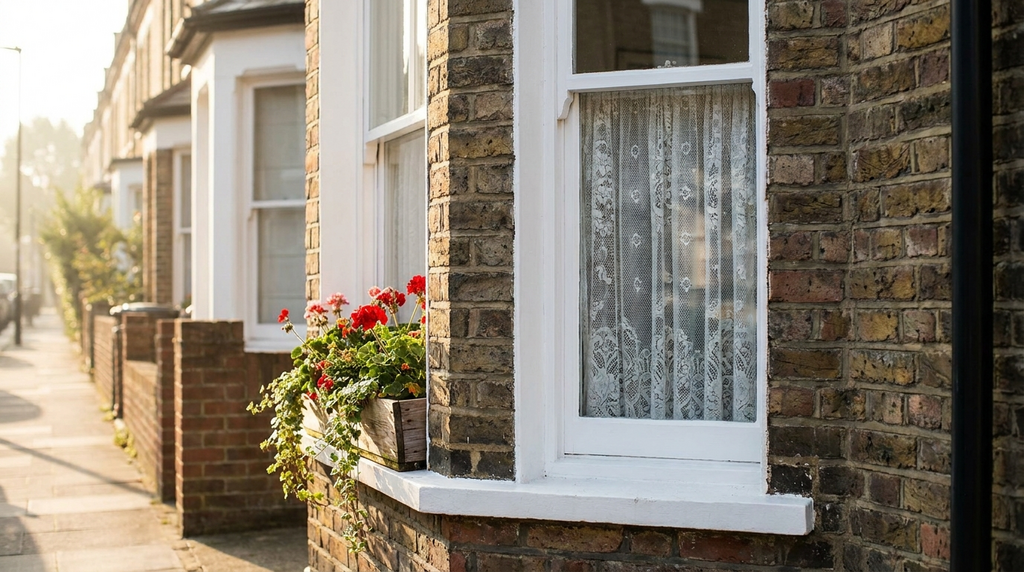
Dewsbury’s housing stock tells a particular story. The rows of Victorian and Edwardian terraces that define areas like Savile Town, Thornhill Lees, and Crackenedge weren’t built with energy efficiency in mind. Single-glazed sash windows, draughty frames, and original timber that’s seen better decades are commonplace. Double glazing is one of the most impactful upgrades you can make to these properties, and installers covering the Dewsbury, Batley, and Wakefield corridor are reporting that enquiry volumes are at a multi-year high.
The Great British Insulation Scheme closed on 31 March 2026. It funded insulation measures only and never covered windows or glazing. If your home is Band E and you’re on certain benefits, you could get new windows at significantly reduced cost, or even free. That kind of incentive is driving real conversations on streets from Earlsheaton to Ossett Road.
What Double Glazing Actually Involves for a Typical Dewsbury Home
If you live in a mid-terrace on one of Dewsbury’s Victorian streets, and statistically, there’s a good chance you do, your windows sit in solid brick reveals that were built to last. That’s genuinely good news. The structural opening is almost certainly sound, which simplifies installation considerably.
Most Dewsbury terraces and semis were built between the 1880s and 1930s, with a second wave of construction in the post-war decades around areas like Ravensthorpe and Heckmondwike Road. Each era presents different considerations.
- Victorian and Edwardian terraces (pre-1920), Often have non-standard window sizes due to hand-built brickwork. Expect bespoke manufacture rather than off-the-shelf units, which adds both time and cost. Sash-style uPVC or timber-effect frames maintain the character of the property.
- Inter-war semis (1920s–1940s), Commonly feature metal Crittal-style frames that can be tricky to replace. The openings are more standardised, but condensation between old and new frames can be an issue if not properly addressed.
- Post-war and 1960s–70s builds, Generally the most straightforward. Standard cavity walls, regular window proportions, and easier access. These properties often still have original single glazing that was never updated.
Access is a genuine consideration on Dewsbury’s terraced streets. Properties on narrow roads in the town centre or off Heckmondwike Road can make it harder for installation vans to park close to the property. A good installer will survey this in advance and factor it into their quote, if they don’t, ask about it.
Party walls are also worth mentioning. Mid-terrace homes need to think about noise travelling through the party wall as well as through windows. Double glazing won’t solve that, but acoustic glass in side-facing rooms can make a meaningful difference.
How Much Double Glazing Costs in Dewsbury and the Yorkshire and the Humber Area in 2026
Let’s be direct. Double glazing costs vary significantly depending on the number of windows, frame material, glass specification, and ease of access. Here are realistic 2026 figures for Dewsbury properties, based on typical quotes across the Kirklees district.
| Property Type | Number of Windows | Standard uPVC Double Glazing | Premium uPVC or Timber-Effect | Triple Glazing Upgrade |
|---|---|---|---|---|
| 2-bed mid-terrace | 5–7 | £2,800–£3,800 | £3,800–£5,200 | £4,500–£6,500 |
| 3-bed semi-detached | 8–10 | £4,200–£5,800 | £5,500–£7,500 | £6,500–£9,500 |
| 3-bed end-terrace | 9–12 | £4,800–£6,500 | £6,200–£8,500 | £7,500–£11,000 |
| 4-bed detached | 12–16 | £6,500–£9,000 | £8,500–£12,000 | £10,500–£15,000 |
Dewsbury prices tend to sit roughly 5–10% below the national average, partly because of lower labour costs across Yorkshire compared to the South East. However, they’re broadly in line with neighbouring Wakefield and Huddersfield, and installers often price jobs across all three towns on similar rate cards.
If your property has non-standard or arched windows, more common than you’d think in the older Dewsbury terraces, add around £150–£300 per bespoke unit. Conservation area requirements (more on that below) can push costs up by 20–30% if heritage-style frames are required.
One thing that genuinely affects price in this area is scaffolding. Upstairs windows on end-terraces with no side access will need either scaffolding (add £400–£700) or a ladder job, and reputable installers will confirm which is safer before they start.
How Dewsbury’s Weather and Location Affect Your Double Glazing Choices
Dewsbury sits in the Calder Valley’s wider basin, at around 50–80 metres above sea level. It’s not an exposed moorland town like nearby Holmfirth, but it’s not sheltered either. The Pennine hills to the west funnel westerly weather systems through, meaning rainfall averages around 750–850mm a year, wetter than the UK average but manageable.
What this means in practice is that frame durability and weatherseal quality matter more than they might in drier parts of the country. uPVC frames with a reinforced steel core perform well here, they won’t warp or absorb moisture the way cheaper profiles can over time. Make sure your installer is using frames with at least a 10-year warranty on the weatherseals specifically.
The westerly wind exposure also means west-facing elevations take more punishment. If your front or side elevation faces west, common in the grid-pattern terraces north of the town centre, opt for a higher-specification gasket system and make sure the installer applies proper frame sealant both inside and out.
Frost is a consideration too. Dewsbury averages around 40–50 air frost days a year. Argon-filled double glazing (standard in most modern units) handles this fine, but make sure warm-edge spacer bars are specified, they dramatically reduce cold bridging at the glass edge and stop that tell-tale condensation strip forming at the bottom of the pane.
Solar gain is worth thinking about from the south side. Dewsbury gets roughly 1,000–1,100 sunshine hours a year, not spectacular, but enough that south-facing rooms can benefit from a slightly higher solar gain glass coating (a g-value above 0.6 is ideal for south-facing windows in this climate zone). North-facing rooms on the other hand should prioritise low U-values above all else.
The Products and Options That Work Best for Dewsbury’s Housing Stock
After everything above, here’s a straightforward steer on what actually makes sense for Dewsbury homes in 2026.
Frame Material
White uPVC with steel reinforcement is the right call for the majority of Dewsbury terraces and semis. It’s cost-effective, low-maintenance, and performs excellently in the local climate. If your property has heritage character, particularly in the older streets around Dewsbury town centre or near Thornhill, a woodgrain-effect uPVC gives you period-appropriate aesthetics without the maintenance headache of real timber.
Glass Specification
Don’t accept anything with a whole-window U-value above 1.4 W/m²K. A properly specified modern double-glazed unit should achieve 1.2 or below. Ask specifically for
- Low-emissivity (Low-E) glass coating on the inner pane
- Argon gas fill between the panes
- Warm-edge spacer bars (rather than aluminium spacers)
This combination is standard practice for reputable installers now, but it’s worth confirming it’s all included in your quote and not an add-on.
Triple Glazing, Worth It in Dewsbury?
Triple glazing makes most sense if you’re on a busy road (the A638 Wakefield Road, the A644 Mirfield road, or anywhere near the ring road), or if your home has a particularly cold north-facing elevation. The thermal improvement over good double glazing is real but modest, roughly 0.4 W/m²K better. For most homes, that payback period is long. But for road noise reduction, the acoustic benefit of a triple-glazed unit with laminated glass can be genuinely transformative.
Door Options
While you’re investing in windows, it’s worth factoring in composite doors if yours are original. Older properties in Dewsbury often have original solid timber or hollow-core doors that haemorrhage heat. A well-fitted composite door adds meaningful insulation and can be included in the same FENSA-registered installation.
How to Find a Trustworthy Double Glazing Installer Near Dewsbury
The Yorkshire and the Humber area has a healthy installer market. Dewsbury sits neatly between Batley (3km), Wakefield (9km), and Huddersfield (11km), meaning you have genuine choice from both local sole-traders and regional companies serving the whole corridor.
Here’s what to check before you commit to anyone.
- FENSA registration, This is the critical one for double glazing. FENSA-registered installers self-certify compliance with Building Regulations, which means you get a certificate you’ll need when you sell your home. Always verify on the FENSA website directly, not just from the installer’s brochure.
- TrustMark accreditation, Government-endorsed quality scheme. Gives you access to a complaints resolution process if things go wrong.
- CERTASS membership, An alternative to FENSA for building regulations self-certification. Either is acceptable.
- GGF membership, The Glass and Glazing Federation. Not mandatory, but members are bound by a code of practice and offer consumer protection.
When getting quotes, ask three installers and make sure all three are quoting for identical specifications, frame profile, glass U-value, gas fill, spacer bar type. Price-only comparisons are nearly meaningless without this.
Red flags to watch for, same-day pressure selling, “today only” discounts, reluctance to provide a written specification, installers who can’t produce their FENSA number on request, and quotes with no breakdown of what’s included.
Lead times in the Yorkshire area currently run at 4–8 weeks for standard orders, and up to 12 weeks for bespoke or heritage-style units. Book ahead if you want installation before winter.
Grants and Funding That Could Reduce Your Costs in 2026
This is where living in a Band E town actually becomes an advantage. Dewsbury homeowners are well-positioned for several funding streams because the area’s below-average EPC ratings and energy costs align with eligibility criteria.
ECO4 Scheme
The Energy Company Obligation (ECO4) is still running in 2026 and targets homes in bands E, F, and G. If you’re a homeowner or private tenant receiving qualifying benefits, including Universal Credit, Pension Credit, Child Tax Credit, or Working Tax Credit, you may be entitled to fully funded energy efficiency improvements, which can include double glazing as part of a whole-house upgrade. Apply through your energy supplier or directly through the GOV.UK portal. Kirklees Council is an active referral partner for this scheme.
Great British Insulation Scheme (GBIS)
The Great British Insulation Scheme closed on 31 March 2026. It funded insulation measures only and never covered windows or glazing. Double glazing can be included where it forms part of a qualifying package. This scheme doesn’t require you to be on benefits, it’s partly means-tested through Council Tax band as well as EPC rating, meaning more Dewsbury homeowners qualify than might expect.
Warm Homes Plan
The government’s Warm Homes Plan is providing local authorities with additional funding to improve cold and inefficient homes. Kirklees Council, the local authority covering Dewsbury, has been active in administering predecessor schemes, so it’s worth checking their housing energy pages directly for 2026 allocations and any local top-up funding.
Local Authority Flex (LA Flex)
Under ECO4 flexibility provisions, Kirklees Council can refer households who don’t meet standard eligibility criteria but who are in genuine fuel poverty or vulnerable circumstances. If you’ve been turned down for ECO4 through your energy supplier, contact Kirklees directly about LA Flex referral.
One practical tip, before applying to anything, get an up-to-date EPC for your property if you don’t have one from the last two years. It costs around £60–£100 from a local assessor and is often the first thing grant administrators ask for.
Planning Permission and Regulations in Dewsbury, What You Need to Know
For most Dewsbury homeowners, double glazing falls under permitted development rights, which means you don’t need planning permission. This applies to the majority of terraced and semi-detached properties in standard residential streets across the town.
However, there are important exceptions you need to check before ordering.
Conservation Areas
Dewsbury has designated conservation areas, including parts of the historic town centre and certain older residential streets. If your home is within a conservation area, permitted development rights for window replacement may be removed or restricted. Kirklees Council’s planning portal allows you to check your postcode against conservation area boundaries, do this before getting quotes, not after.
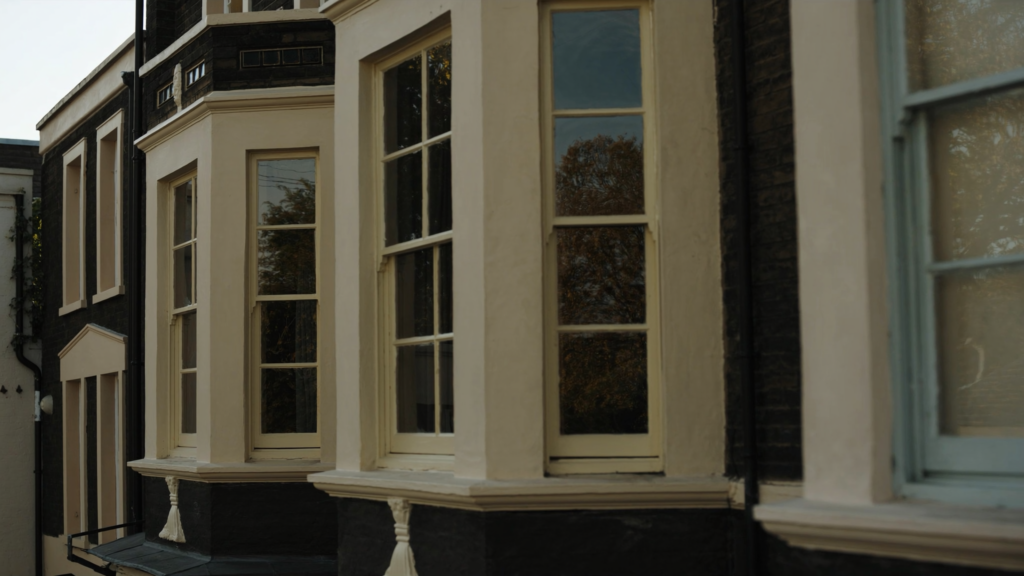
In conservation areas, you’ll typically be required to use frames and glass that match the original character of the building. This usually means timber-effect profiles or, in some cases, actual timber frames. It also rules out certain window styles, casement replacements for original sash windows can be refused. Heritage uPVC sash windows are an increasingly popular solution that satisfies both planning and performance requirements.
Listed Buildings
If your home is Listed (even Grade II), you will almost certainly need Listed Building Consent before replacing any windows. There are listed properties scattered across Dewsbury’s older streets and in Thornhill village. Check the Historic England register if you’re in any doubt.
Building Regulations
Even where planning permission isn’t needed, window