Why Pontefract Homeowners Are Looking at Double Glazing Right Now
There’s a quiet revolution happening across Pontefract’s terraced streets and semi-detached avenues. With energy bills still biting hard and the town’s housing stock, much of it built between the 1930s and 1970s, carrying average EPC Band D ratings, thousands of local homeowners are finally tackling the cold spots and draughts they’ve put up with for years.
Pontefract sits in a genuinely interesting position. It is not a coastal town hammered by salt-laden winds, nor is it a sheltered southern suburb. The town’s elevated position in West Yorkshire, combined with its proximity to the Aire and Calder valleys, means winter winds can be sharper than people expect, and single-glazed or failed double-glazed units lose heat fast when that happens.
There’s also a practical driver that’s very specific to this area. Wakefield Council’s ongoing push to improve housing efficiency across the district has brought grant funding closer to Pontefract residents than ever before. The Great British Insulation Scheme closed on 31 March 2026. It funded insulation measures only and never covered windows or glazing. That combination of cold winters, ageing housing stock, and available funding is what’s making double glazing such a hot topic right now, even if “hot” isn’t a word you’d normally associate with a Yorkshire February.
What Double Glazing Actually Involves for a Typical Pontefract Home
If you live in one of Pontefract’s terraced rows, think the streets around Carleton, Tanshelf, or the older parts of Ferrybridge Road, you’ll know that home improvement rarely comes without a complication or two. Double glazing is no different, but it’s far more straightforward here than people often assume.
Most Pontefract terraced homes were built between the 1890s and 1960s, which means you’re likely dealing with solid brick walls, sash or casement windows, and bay fronts in the slightly grander semis. The good news is that uPVC double glazing slots neatly into these openings in most cases, with no structural changes required. The frames are measured, manufactured to order, and typically installed in a single day per property.
Here’s what the practical process looks like for a typical Pontefract home
- A surveyor visits to measure every opening and check for lintel condition, important in older pre-war terraces where lintels can be timber rather than steel
- Frames are usually manufactured off-site and delivered within 3 to 6 weeks depending on the installer’s order book
- Installation typically takes one to two days for a three-bedroom terrace or semi
- Old frames are removed, new ones fitted and sealed, and any minor rendering or plastering made good
- FENSA certification is issued, this is your guarantee that the work meets Building Regulations and it protects you when you come to sell
One challenge specific to Pontefract’s narrower terraced streets is access and parking for installation vans. On some of the older back-to-back style streets near the town centre, installers may need to carry frames a fair distance from a van parked on a main road. This occasionally adds a small premium to the quote, worth asking about upfront.
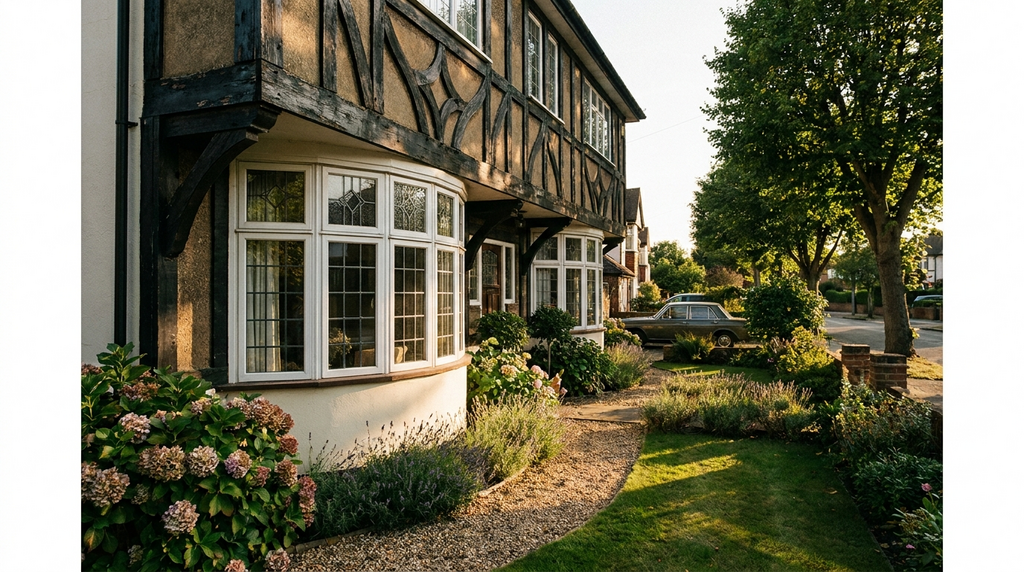
Bay windows are another local quirk. The Edwardian and interwar semis around Pontefract’s better-established residential areas often have three-section bay fronts. These require more precision in manufacture and fitting, and they’re a bit pricier. But done properly, they transform the look and warmth of the front room dramatically.
How Much Double Glazing Costs in Pontefract and the Yorkshire and the Humber Area in 2026
Let’s get to the figures you actually came here for. Prices in Pontefract sit slightly below the national average. This reflects both the lower labour costs typical across Yorkshire and the Humber and strong installer competition in the Wakefield-Leeds-Barnsley triangle. Here’s what you should realistically expect to pay in 2026
| Property Type | Number of Windows | Standard uPVC (A-rated) | Premium uPVC or Flush Sash | Aluminium or Timber Alternative |
|---|---|---|---|---|
| Two-bed terrace | 5 to 7 | £2,800 – £4,200 | £4,500 – £6,500 | £6,000 – £9,000 |
| Three-bed semi-detached | 8 to 10 | £4,000 – £6,000 | £6,500 – £9,000 | £8,500 – £13,000 |
| Three-bed terrace with bay | 8 to 11 | £4,500 – £6,800 | £7,000 – £10,000 | £9,000 – £14,000 |
| Four-bed detached | 12 to 14 | £6,500 – £9,500 | £10,000 – £14,000 | £13,000 – £20,000 |
| Yorkshire and the Humber average (3-bed) | 8 to 10 | £4,200 – £6,200 | – | – |
| UK national average (3-bed) | 8 to 10 | £4,800 – £7,000 | – | – |
Compared to Leeds, where labour and overhead costs are higher, Pontefract homeowners typically save £300 to £700 on a full house installation. Wakefield-based installers who regularly cover Pontefract (it’s only 12km away) tend to offer competitive pricing precisely because they operate across this whole cluster of towns including Selby, Barnsley, and Castleford.
Don’t forget to factor in door replacements if you’re refreshing the whole property, composite front doors typically add £900 to £1,500, and French or patio doors for the rear add £1,200 to £2,500 depending on size and specification.
How Pontefract’s Weather and Location Affect Your Double Glazing Choices
Pontefract gets around 1,000 to 1,100 sunshine hours per year, enough to make solar gain a real consideration, especially on south-facing windows. It also sees 700 to 900mm of rainfall annually, and while it’s sheltered from the worst of the Pennine weather by the M62 corridor, winter temperatures regularly dip to 1°C to 3°C, with heating demand running at around 1,500 to 1,800 degree days per year.
What does this mean practically? A few things
- Warm edge spacer bars are worth paying for. The metal spacer bar inside a double-glazed unit is where condensation first appears when units start failing. In Pontefract’s damp winters, warm edge (or “super spacer”) bars significantly reduce cold bridging and extend the lifespan of the sealed unit.
- Argon-filled units are the minimum you should accept. Standard air-filled units are technically compliant but offer noticeably worse thermal performance. Argon fill costs very little extra and makes a measurable difference in a Yorkshire winter.
- South-facing rooms benefit from solar control glass. In the better-positioned semis around Pontefract’s newer developments, south-facing glazing can cause overheating in summer. A low-emissivity coating that also manages solar gain is worth discussing with your installer.
- Acoustic performance matters near main roads. Homes close to the A645, A628, or near the town centre deal with meaningful road noise. An acoustic laminated inner pane (typically 6.4mm laminated glass) makes a noticeable difference and doesn’t cost a fortune as an upgrade.
One local factor that’s easy to overlook, Pontefract’s mining heritage means some areas sit above former colliery workings. While this very rarely affects window installation directly, it’s worth being aware that some properties have experienced subtle settlement over decades. An experienced installer will check that window openings are genuinely square before ordering frames, as even a few millimetres of racking can affect how frames sit and seal.
The Products and Options That Actually Work Best Here
Based on Pontefract’s housing stock, climate, and what local installers consistently report works well, here’s an honest expert steer on what to specify
For Victorian and Edwardian Terraces
A flush casement uPVC window in white or cream gives the right visual weight without looking out of place. Avoid chunky commercial-style frames, they look wrong on period proportions. Specify A++ energy rating, warm edge spacer, and argon fill as a minimum. Some conservation-adjacent streets will require specific glazing bar configurations to match original fenestration.
For 1930s to 1960s Semis
Standard casement uPVC performs brilliantly here and represents the best value for money. The original Crittal-style windows common in this era can be replaced with slim-profile uPVC that mimics the look. If your home faces south or south-west, ask about a low solar gain coating on the outer pane, it won’t affect heat retention but will stop the living room becoming a greenhouse in July.
For 1970s and 1980s Properties
If you’re replacing old double glazing that’s failed (cloudy or misted units), you’re in luck, these openings are almost always standard sizes and installation is quick. Upgrade to A++ rated units and you’ll notice the difference immediately. Triple glazing is worth considering here if you’re on a road with heavy traffic noise, as the mass of the third pane absorbs sound particularly well.
Energy Ratings to Look For
- U-value, aim for 1.2 W/m²K or lower for the whole window (frame plus glass). The best units on the market reach 0.8 W/m²K.
- Window Energy Rating, look for A or A++ on the BFRC scale. Anything below B is genuinely worth avoiding.
- BFRC label, this independently verified label tells you the window’s net energy gain or loss. It’s the easiest way to compare products without needing a physics degree.
How to Find a Trustworthy Double Glazing Installer Near Pontefract
The double glazing industry has improved enormously in the last decade, but there are still installers who’ll pressure you, inflate quotes, or disappear when a sealed unit fails in year three. Here’s how to protect yourself.
Always check for FENSA registration. This is non-negotiable. FENSA-registered installers self-certify that their work complies with Building Regulations, and they’re required to maintain insurance. You can check any company at fensa.org.uk before you invite them round.
Look for TrustMark accreditation as a bonus. TrustMark companies have been vetted for trading standards compliance and customer care. It adds an extra layer of confidence, particularly useful when dealing with a company you haven’t heard of locally.
When getting quotes, ask these specific questions
- What’s the U-value of the unit you’re quoting?
- Are warm edge spacer bars included as standard?
- Is argon fill included or is that an upgrade?
- What’s the warranty on the sealed unit and the frame separately?
- Will you handle the FENSA certificate and when does it arrive?
- What happens if a unit mists within the warranty period?
In terms of coverage, most reputable installers operating in Pontefract are based in or around Wakefield, Barnsley, or Leeds and cover the whole cluster as a natural operating area. Lead times in 2026 in this region are running at four to eight weeks from survey to installation, if someone offers you a fit next week, ask why they have availability so quickly.
Red flags to watch for, high-pressure same-day pricing, “special discounts” that expire tonight, quotes that don’t include VAT, and companies that can’t show you a FENSA registration number. Get at least three quotes and don’t go with the cheapest without understanding why it’s cheaper.
Grants and Funding That Could Reduce Your Costs in 2026
This is where things get genuinely exciting for Pontefract homeowners, because funding availability in 2026 is meaningful and accessible if you know where to look.
ECO4, Energy Company Obligation
ECO4 funds energy efficiency improvements for households on qualifying benefits or with low incomes. Double glazing can be included as part of a wider package of measures. Wakefield Council works with Ofgem-registered installers to deliver ECO4 in the district, visit the Wakefield Council website or call their energy team to check your eligibility. Households receiving Universal Credit, Pension Credit, or Child Benefit with a household income below the threshold are likely to qualify.
Great British Insulation Scheme (GBIS)
The Great British Insulation Scheme closed on 31 March 2026. It funded insulation measures only and never covered windows or glazing. While its primary focus is insulation, glazing can sometimes be included as a secondary measure. Again, eligibility is means-tested or based on EPC band, so your Band D rating may already put you in the frame.
Warm Homes Plan
The government’s Warm Homes Plan, expanded in 2026, provides funding routed through local authorities for energy efficiency upgrades. Wakefield Council has been allocated funds under this scheme. The council’s housing energy team can advise on what’s available specifically for Pontefract postcodes, and it’s worth a phone call before you commit to paying full price for anything.
Practical Tips on Applying
- Get your EPC assessed first if you don’t have an up-to-date one, it costs around £60 to £90 and unlocks multiple funding routes
- Contact Wakefield Council’s energy advice line before contacting installers, they can confirm what you’re eligible for and sometimes refer you to approved contractors
- Don’t assume you don’t qualify, eligibility criteria were broadened in 2026 and more households qualify than previously
Planning Permission and Regulations in Pontefract, What You Actually Need to Know
The short answer for most Pontefract homeowners is that you probably don’t need planning permission. Replacing windows like-for-like in a standard residential property is permitted development under UK planning law, which means you can go ahead without applying to Wakefield Council.
However, there are important exceptions that apply to specific parts of